Hair transplant before and after: real cases, and how to judge them

A case you can trust tells you four things in addition to what you see: how many grafts were used, which method, how long it has been since the procedure, and whether the photos were taken under the same conditions, meaning the same angle, the same light and dry hair. If all of that is there, you can judge the result. If it's missing, you're looking at advertising.

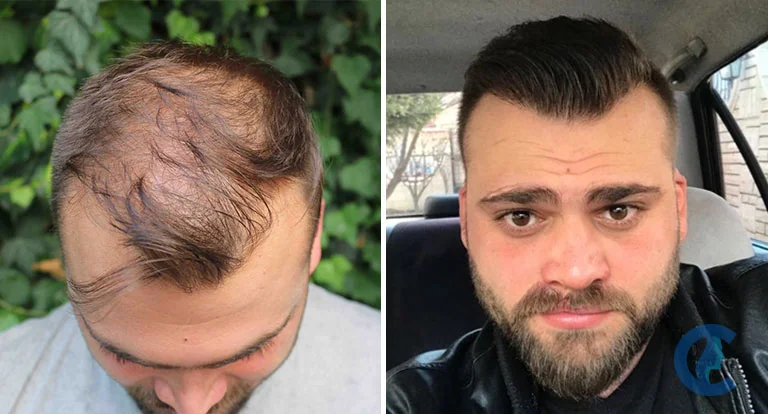
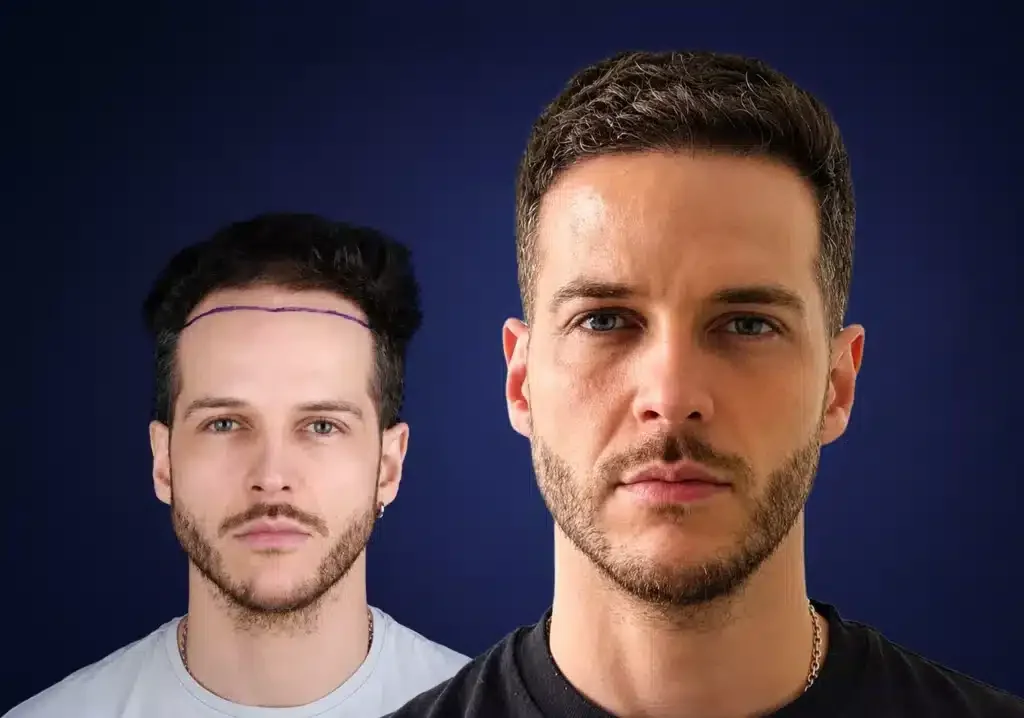
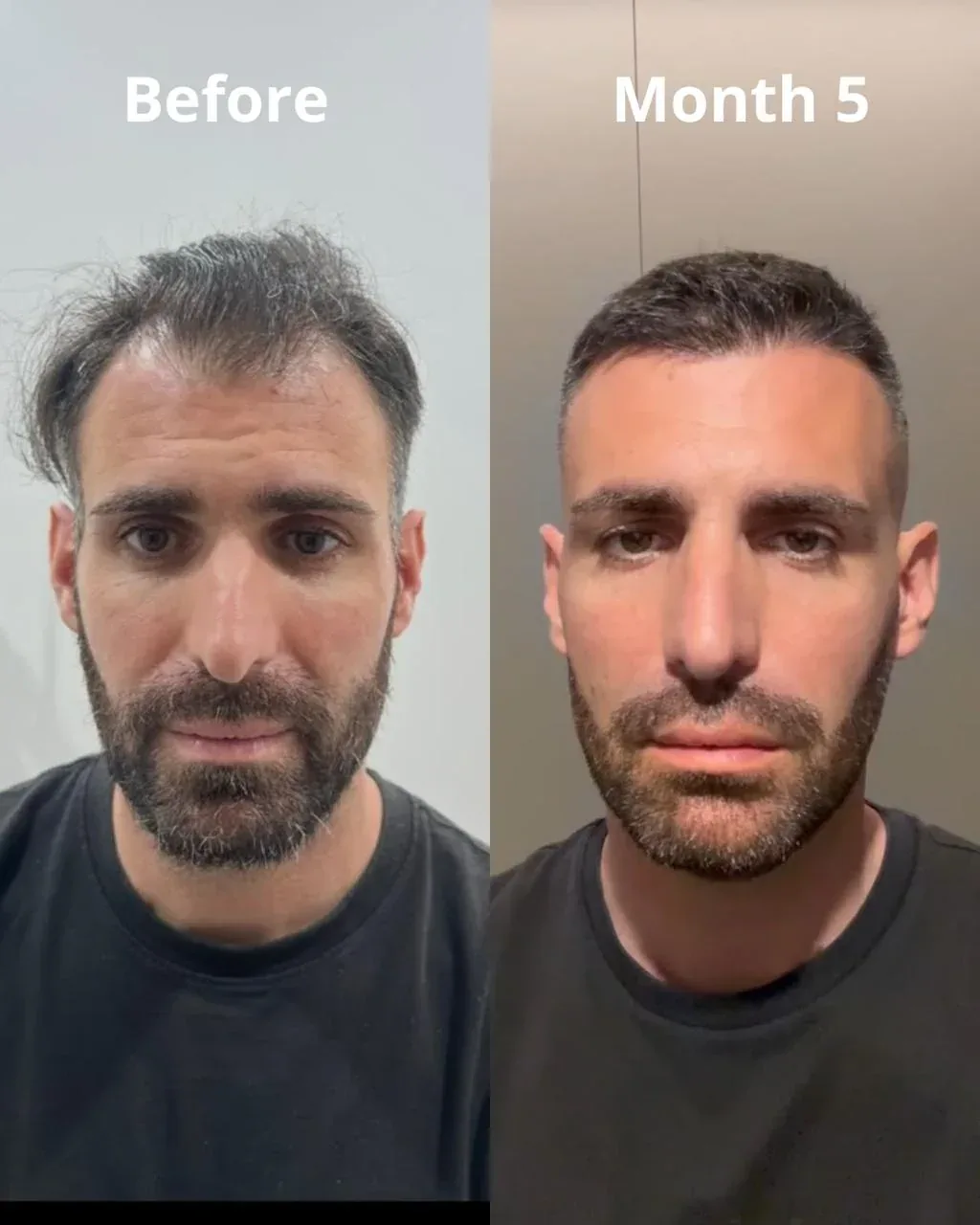
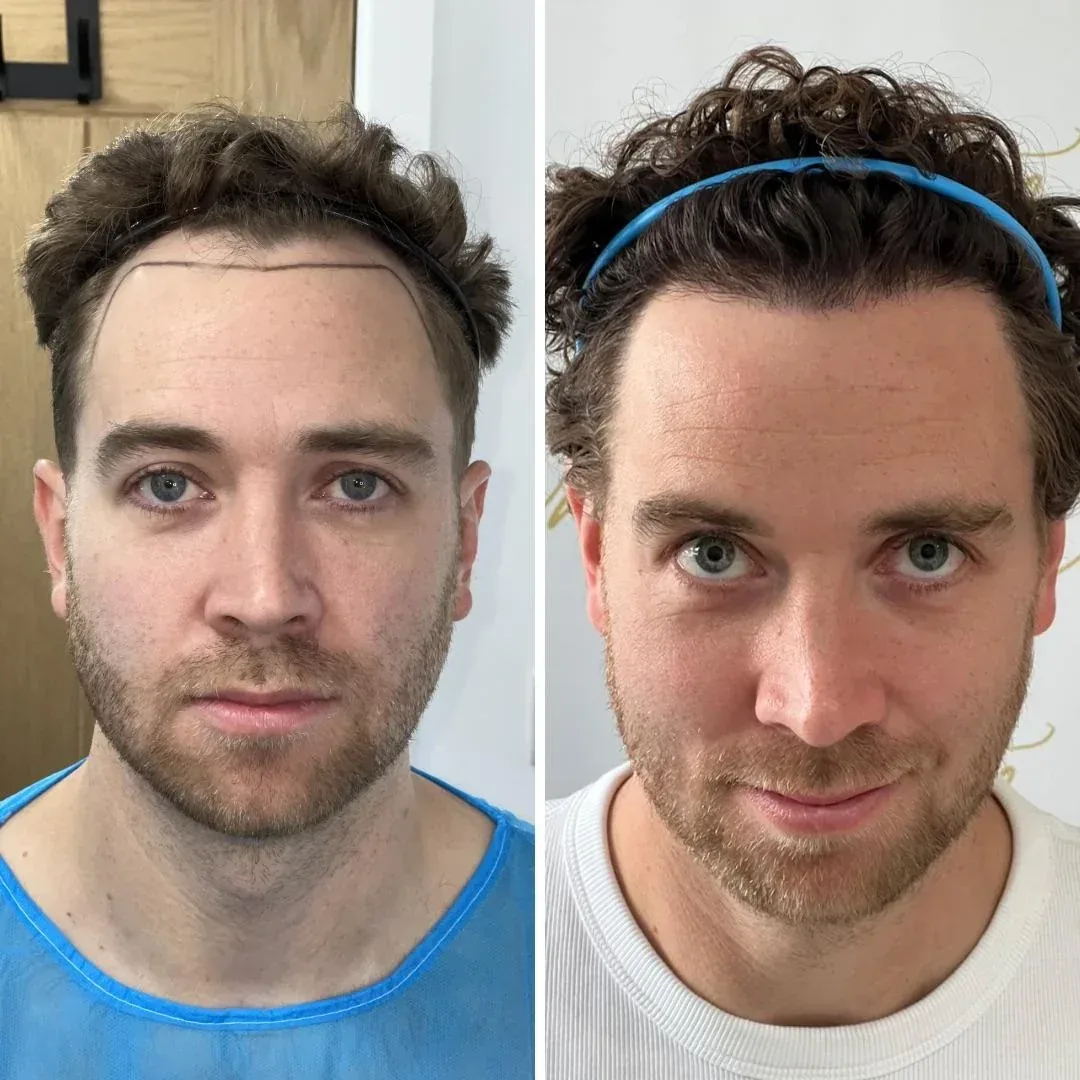
The clinics have given us permission to show the cases here, and we state the conditions the photos were taken under. New cases are added on an ongoing basis. You can use them in two ways. They show what result a well-planned transplant can give. And they're a yardstick to hold up against galleries from other clinics, including those that never put a date on their photos.

The cases in the gallery

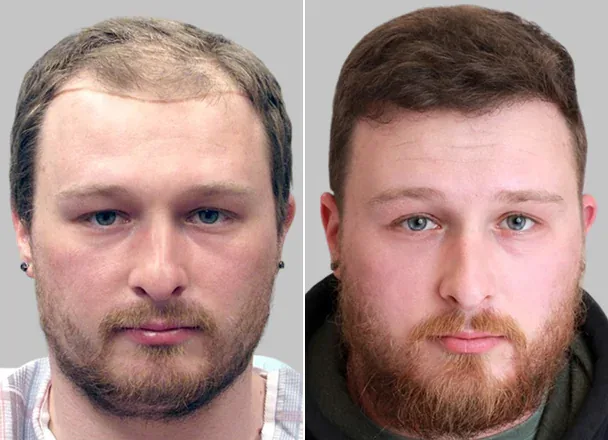
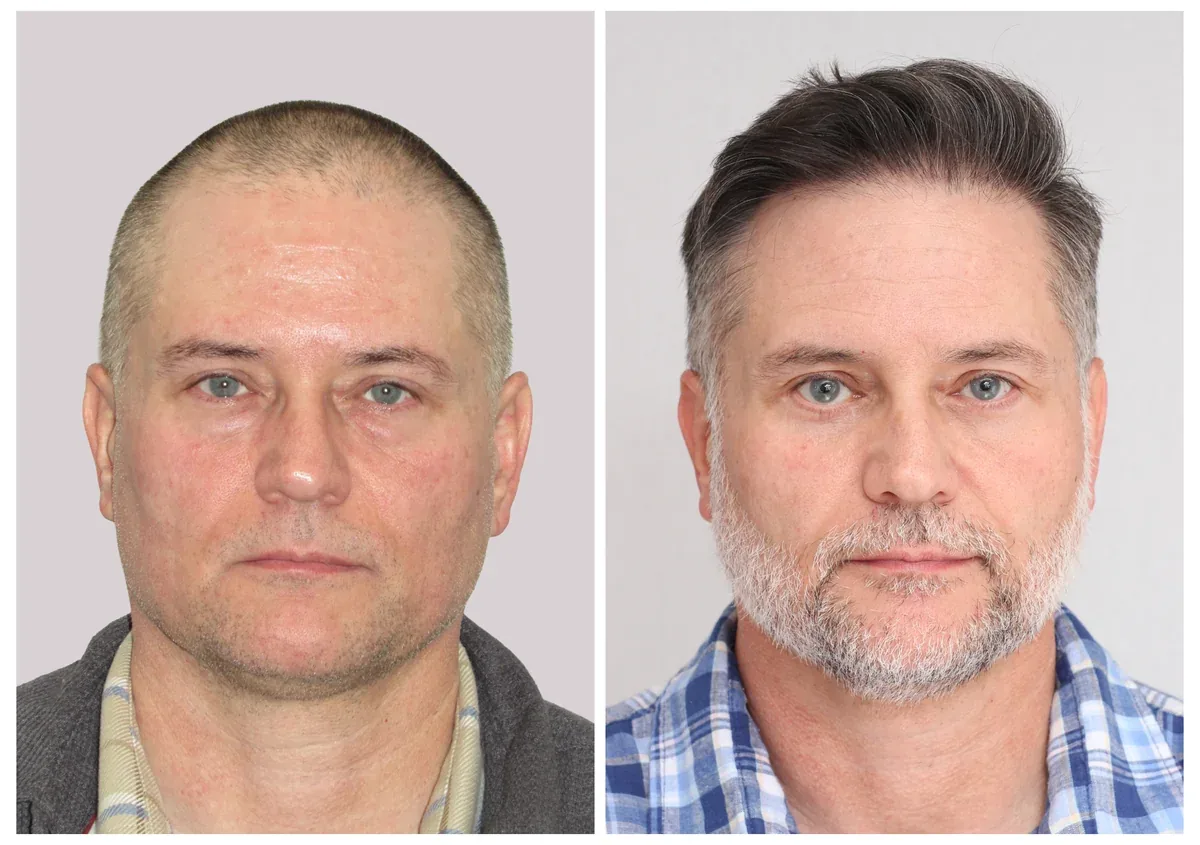
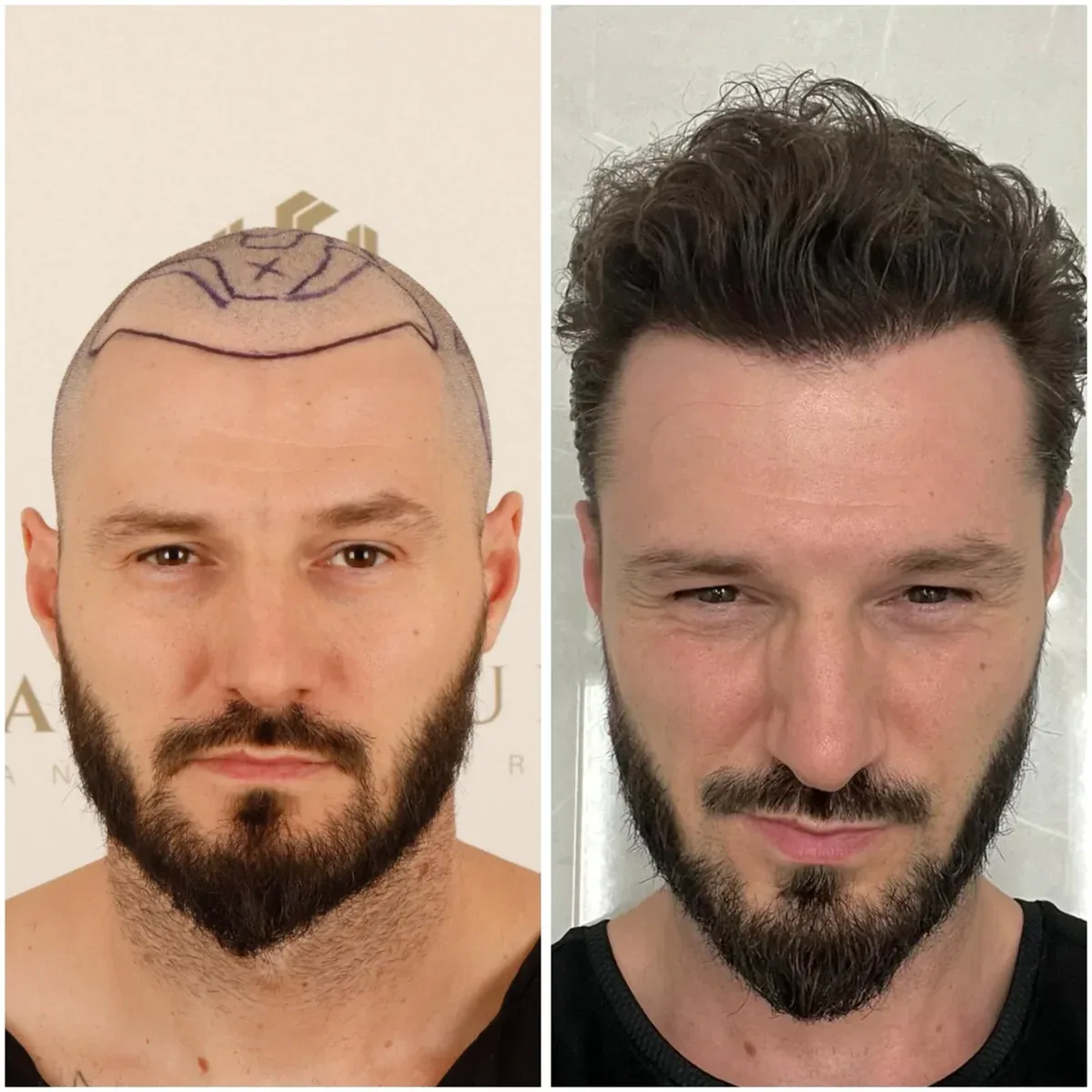
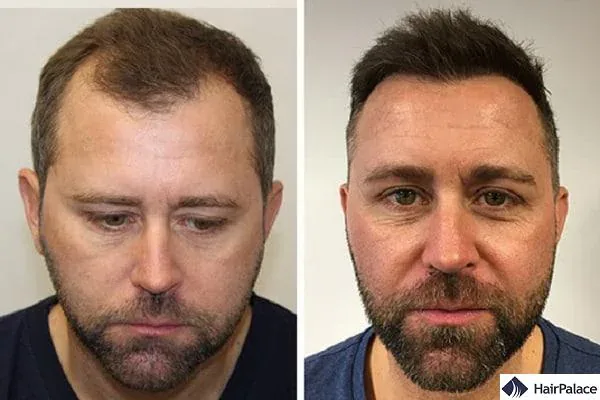
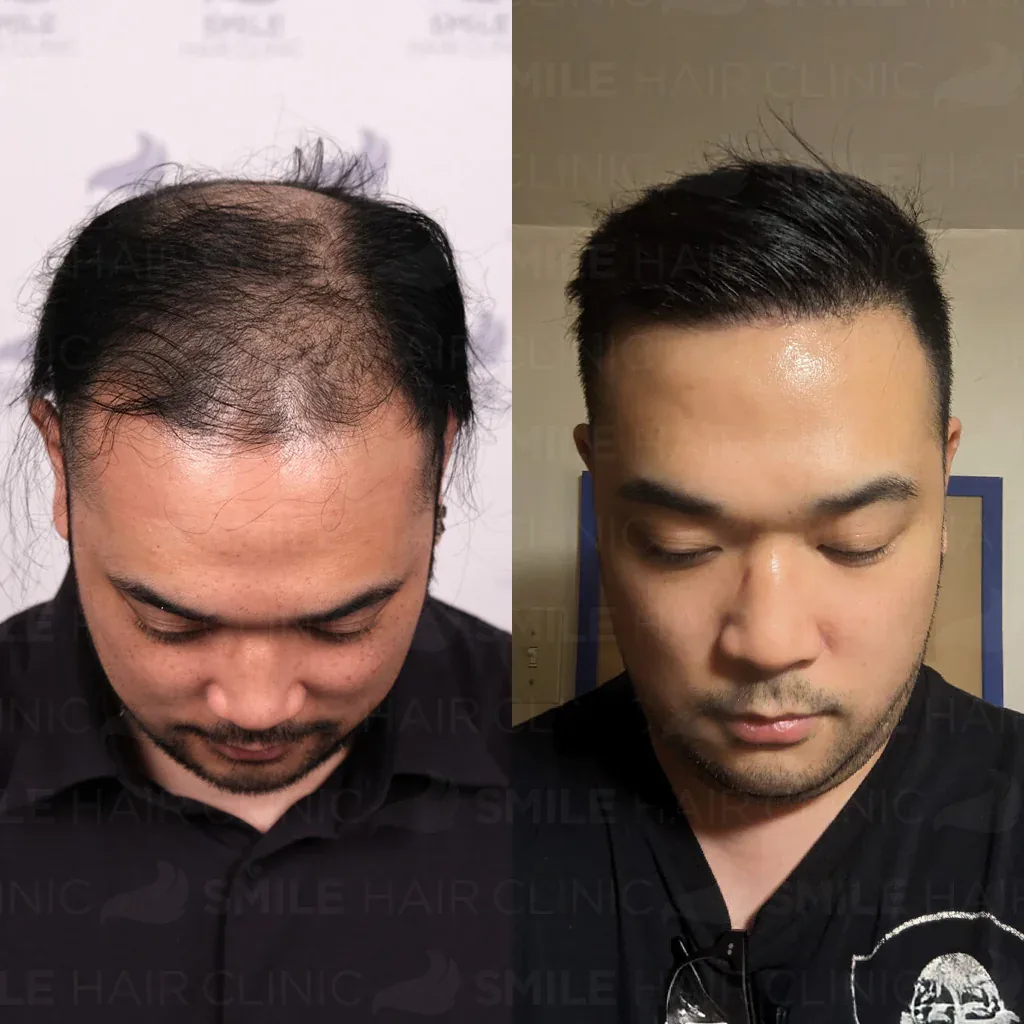
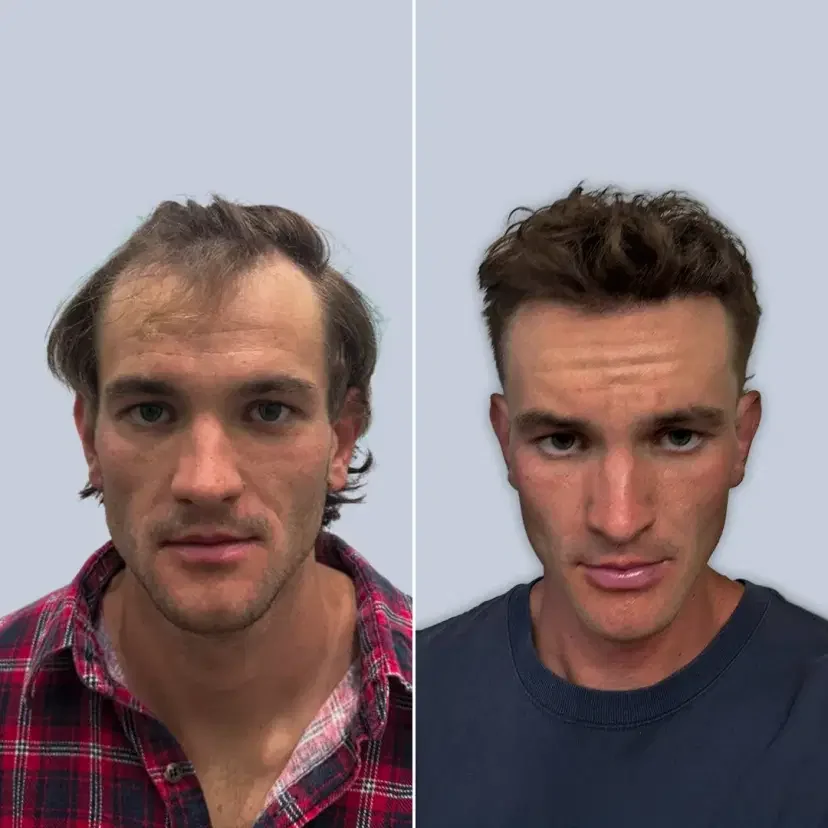
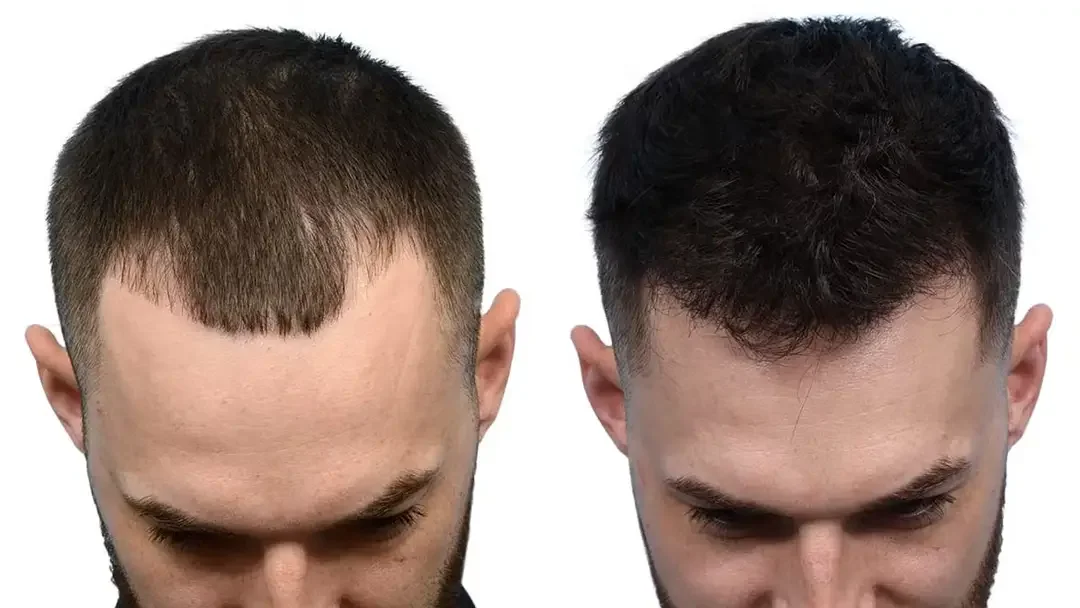
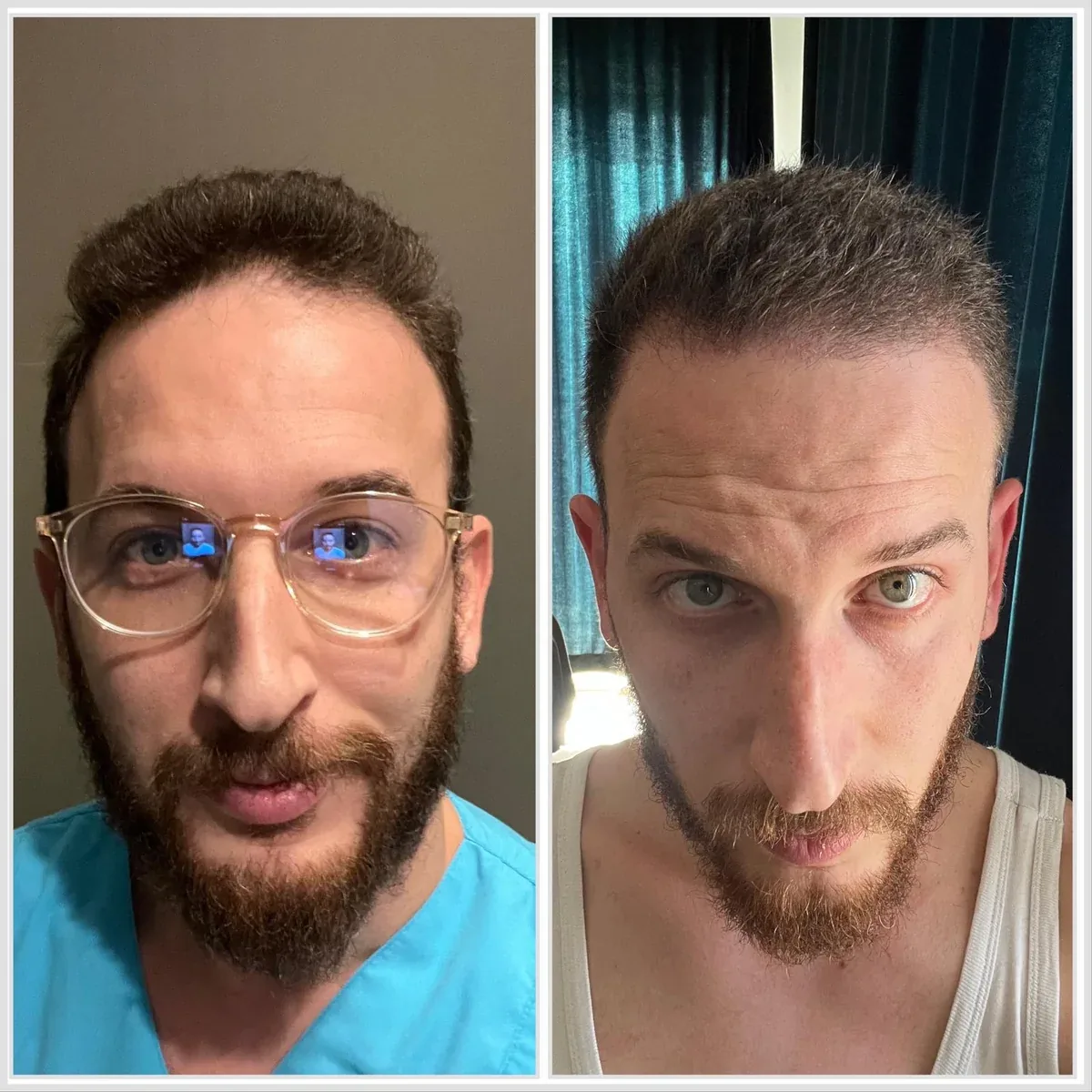
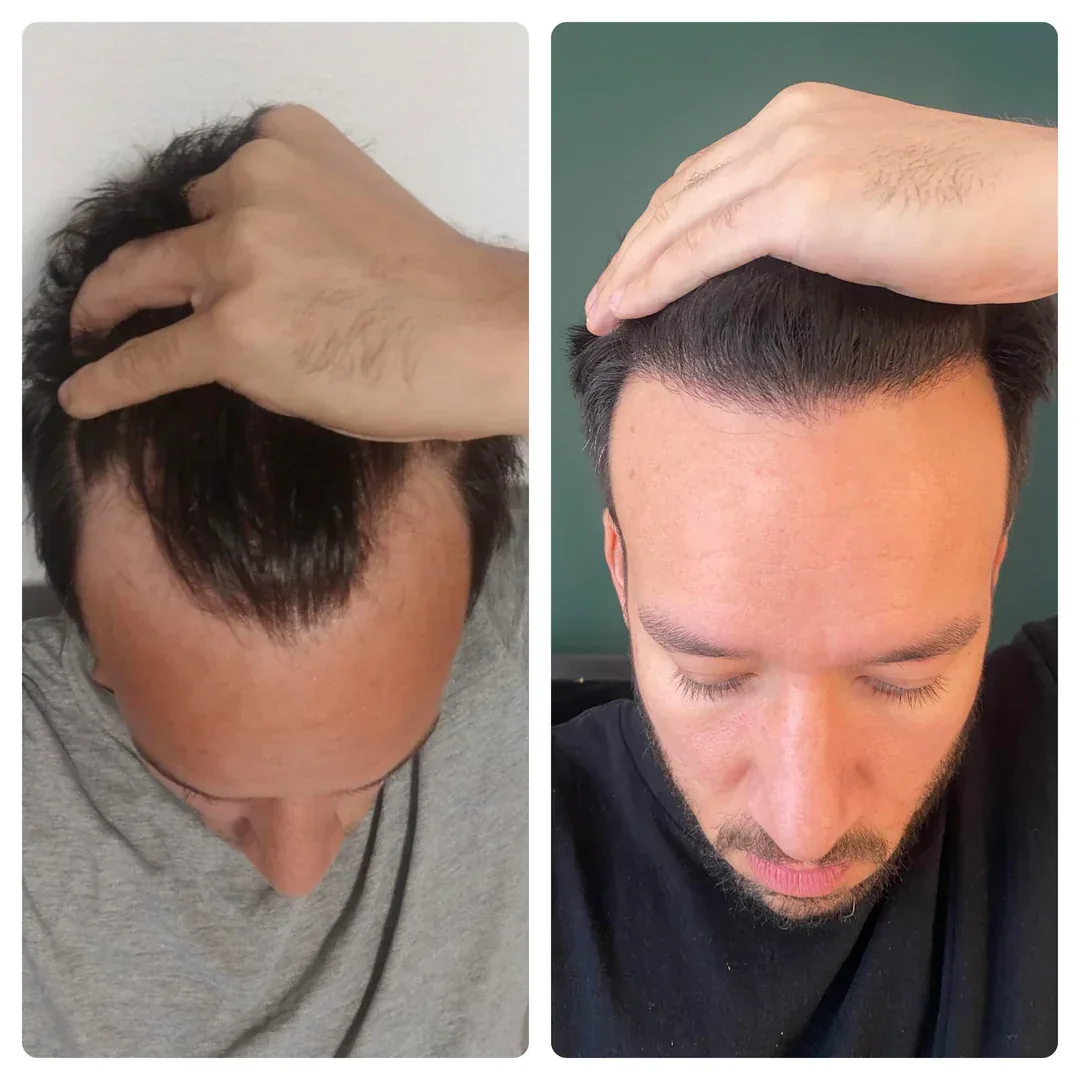
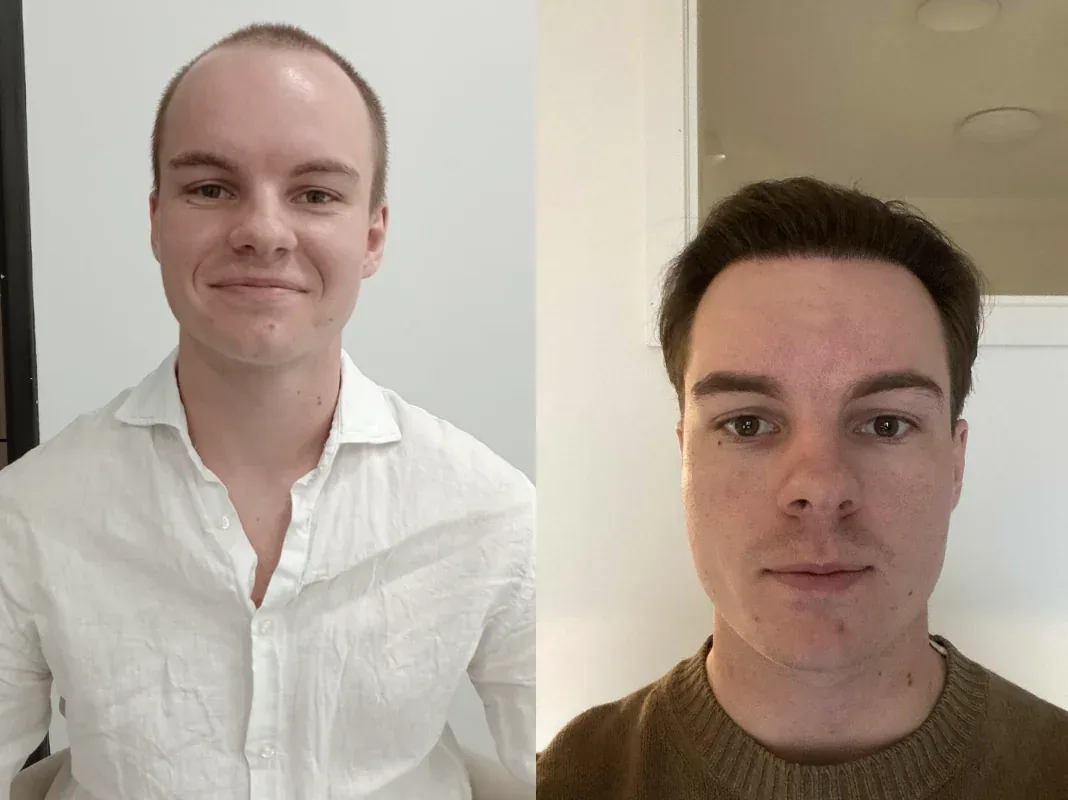
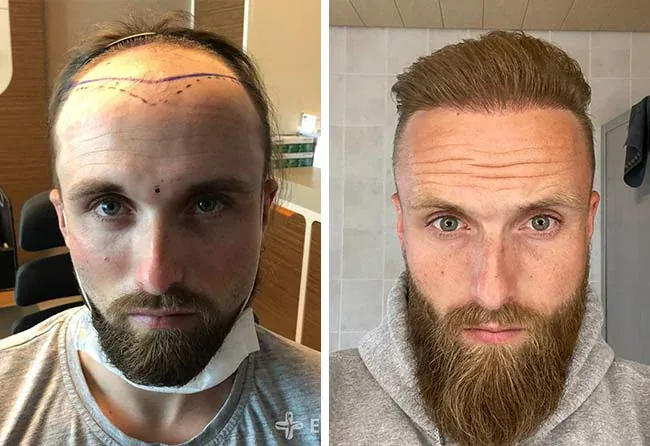
Case 1 before and after: approx. 2,000 to 2,500 grafts, DHI

BeforeAfter

Case 1

approx. 2,000 to 2,500 grafts · DHI

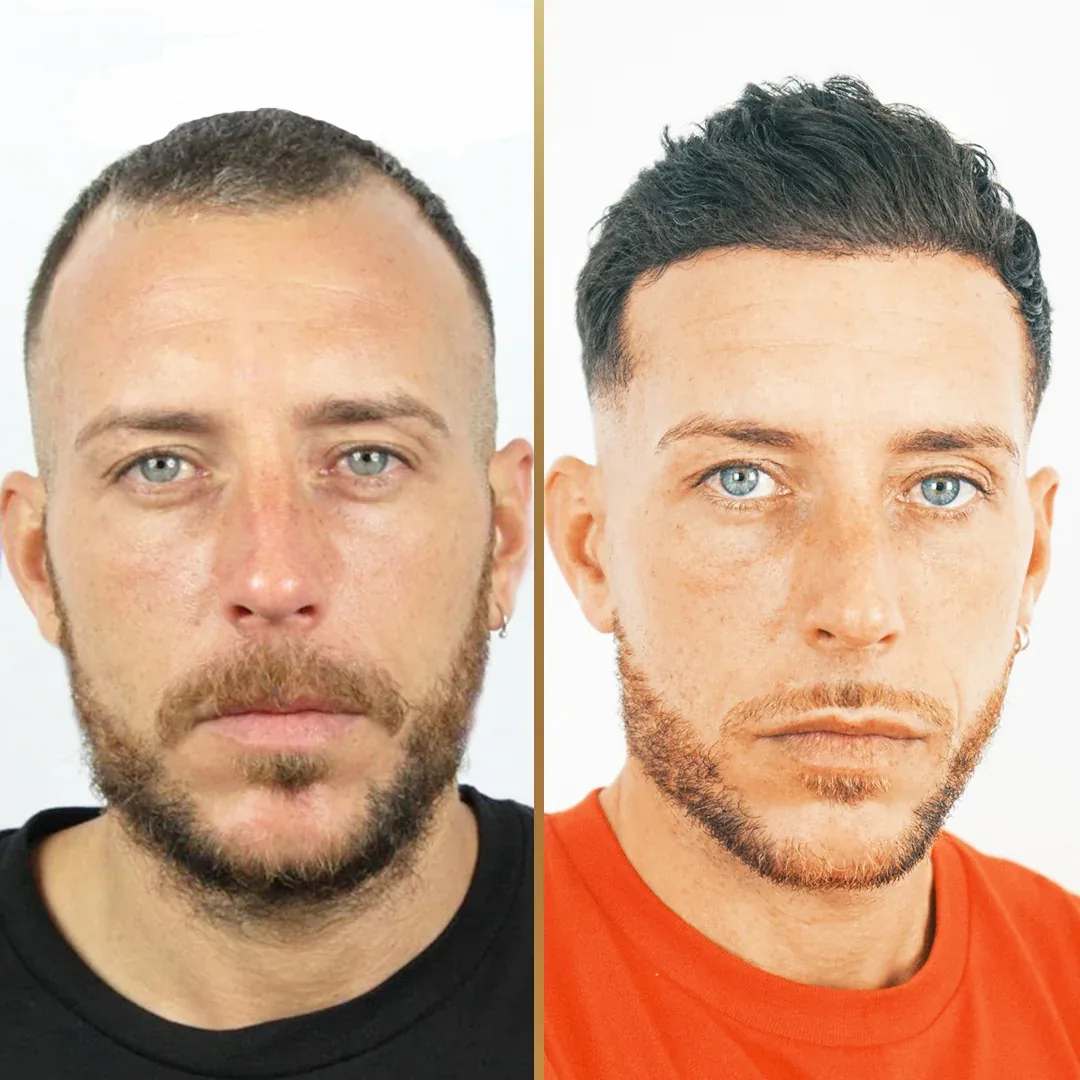
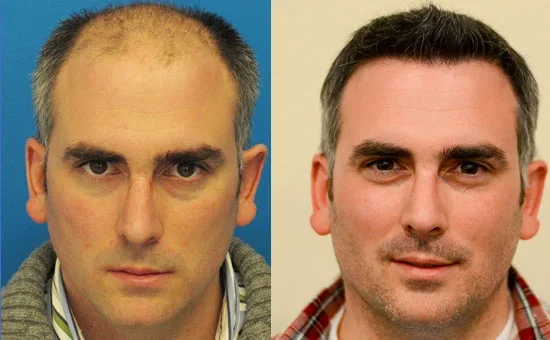
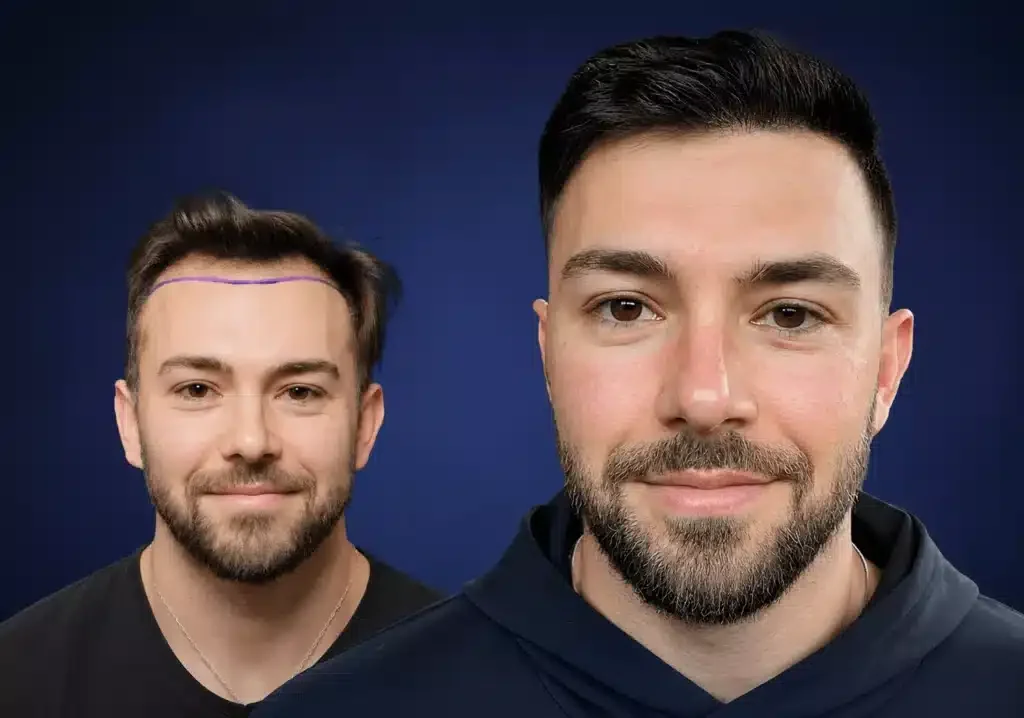
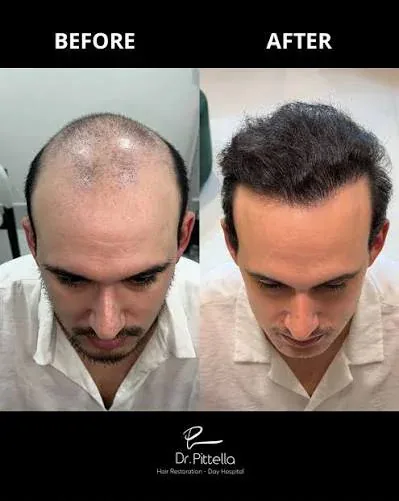
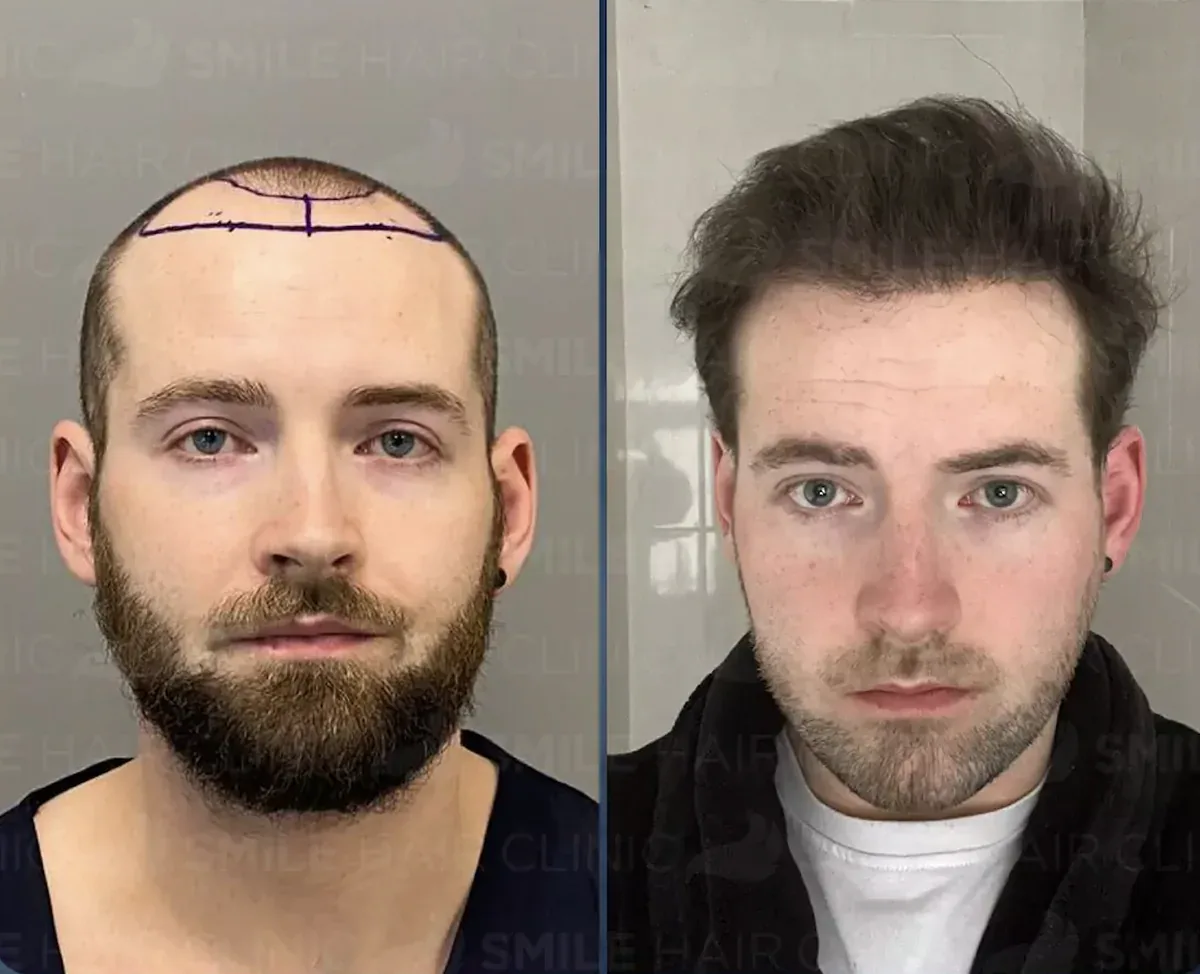
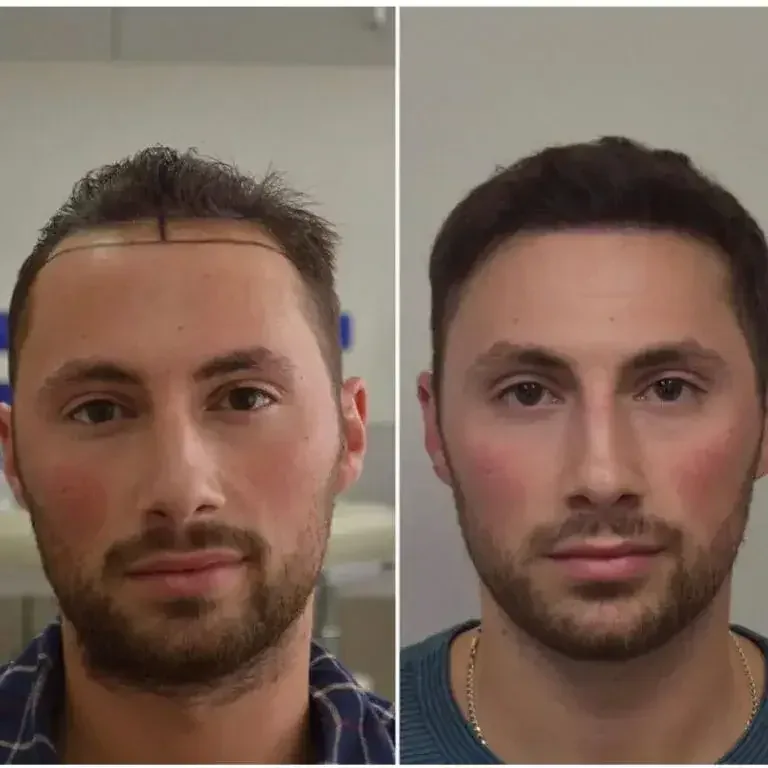
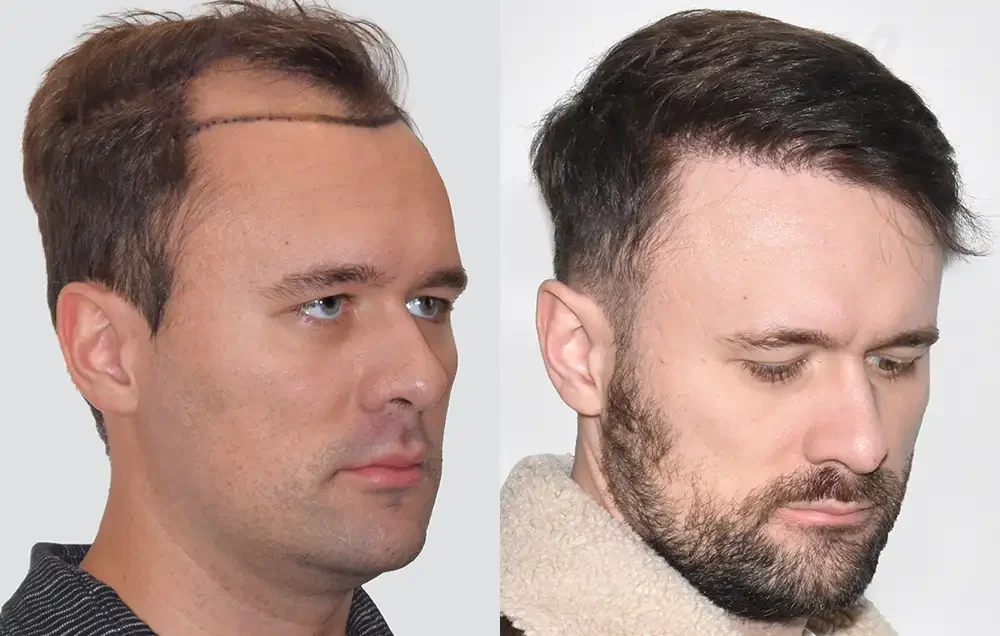
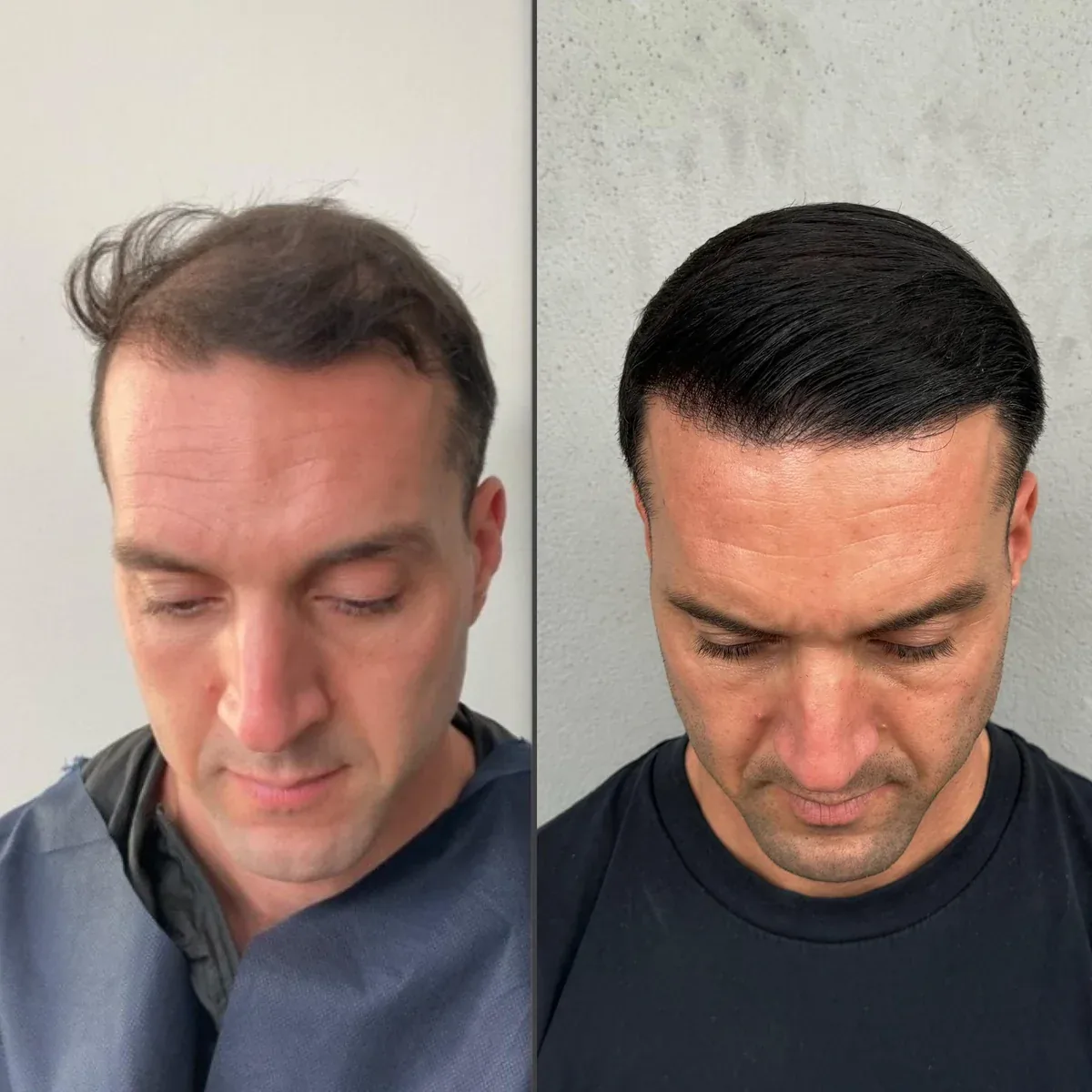
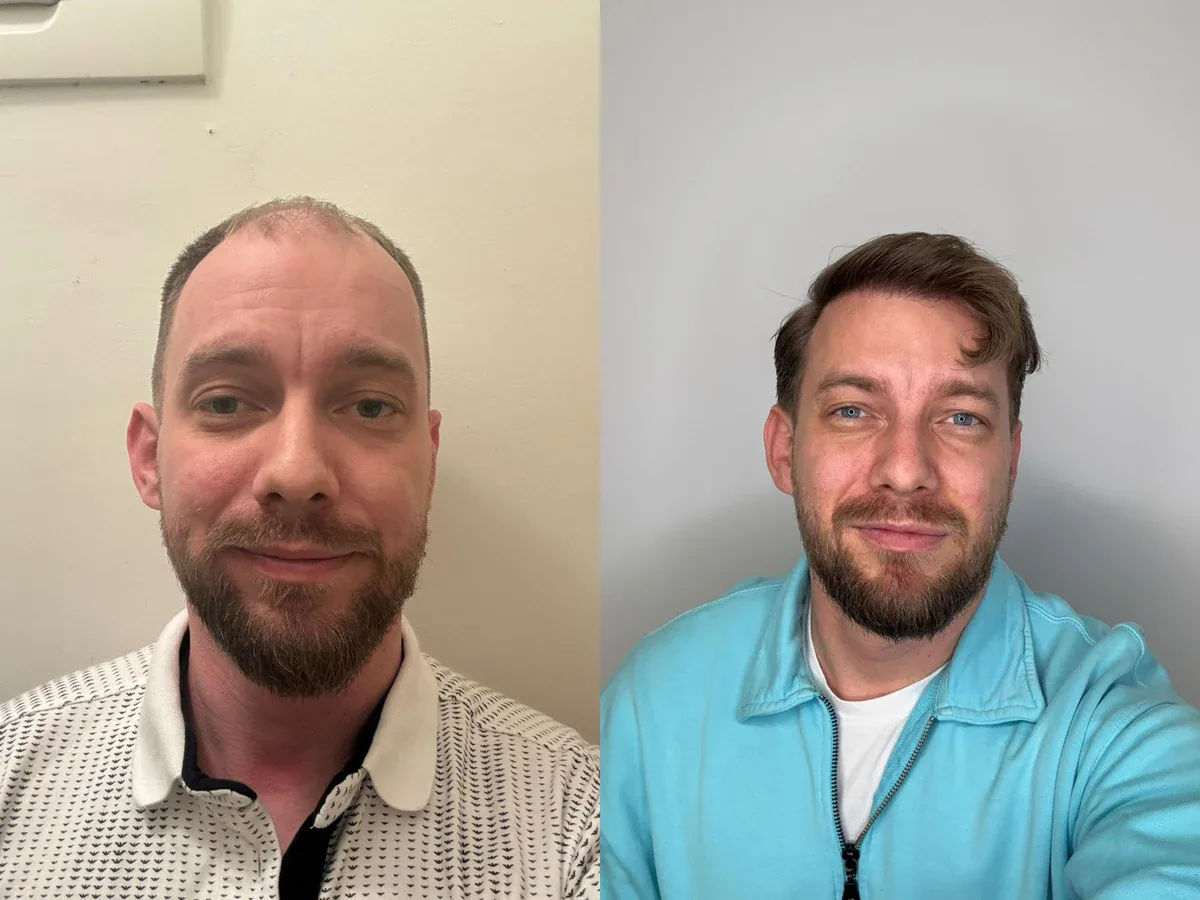
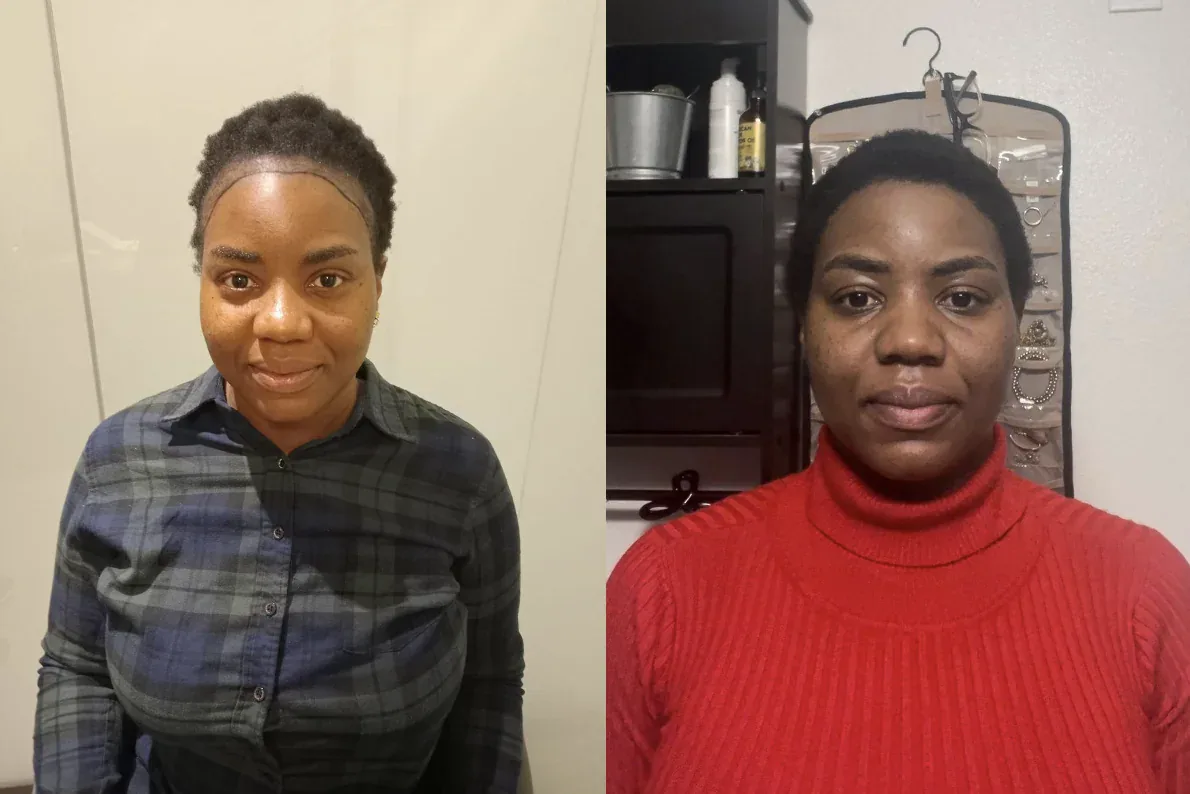
Case 2 before and after: approx. 5,500 to 6,000 grafts, FUE and DHI combined
BeforeAfter

Case 2

approx. 5,500 to 6,000 grafts · FUE and DHI combined

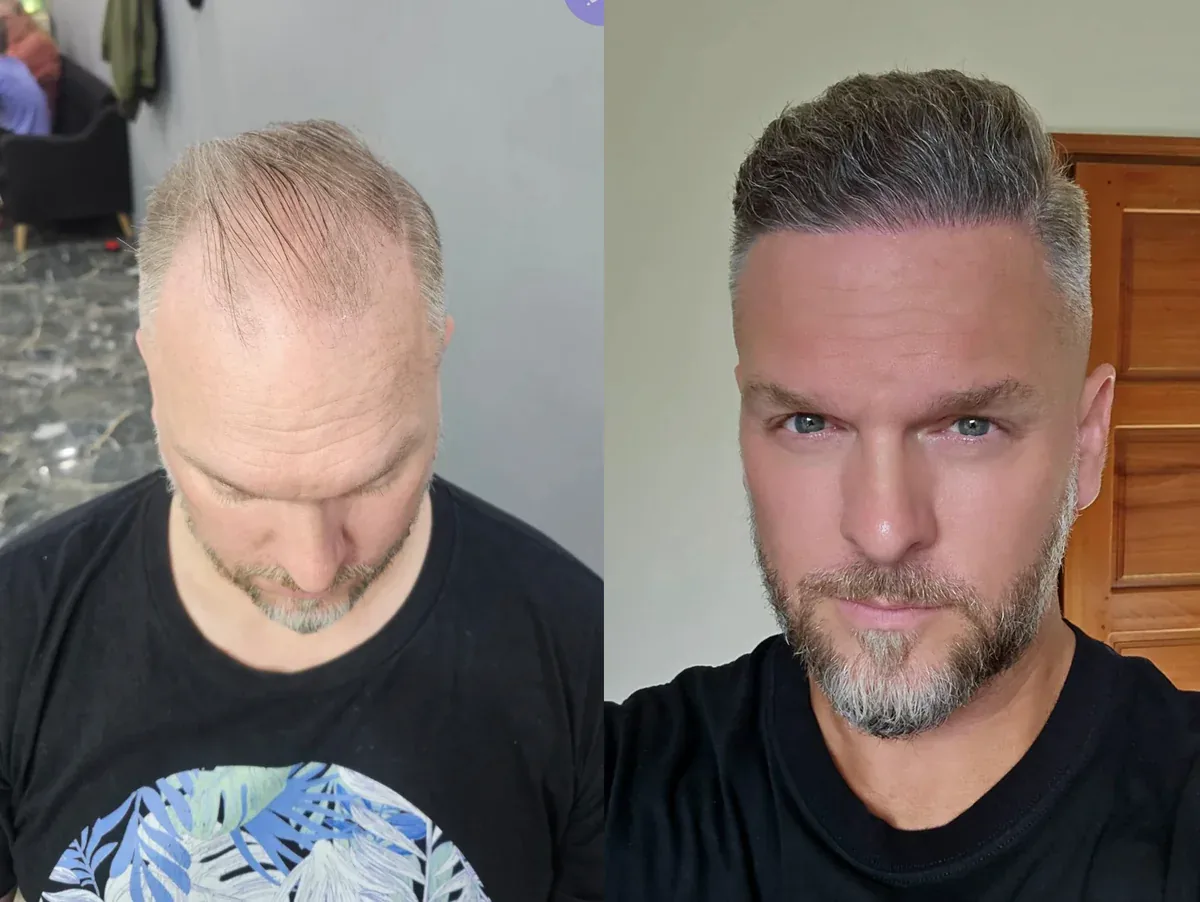
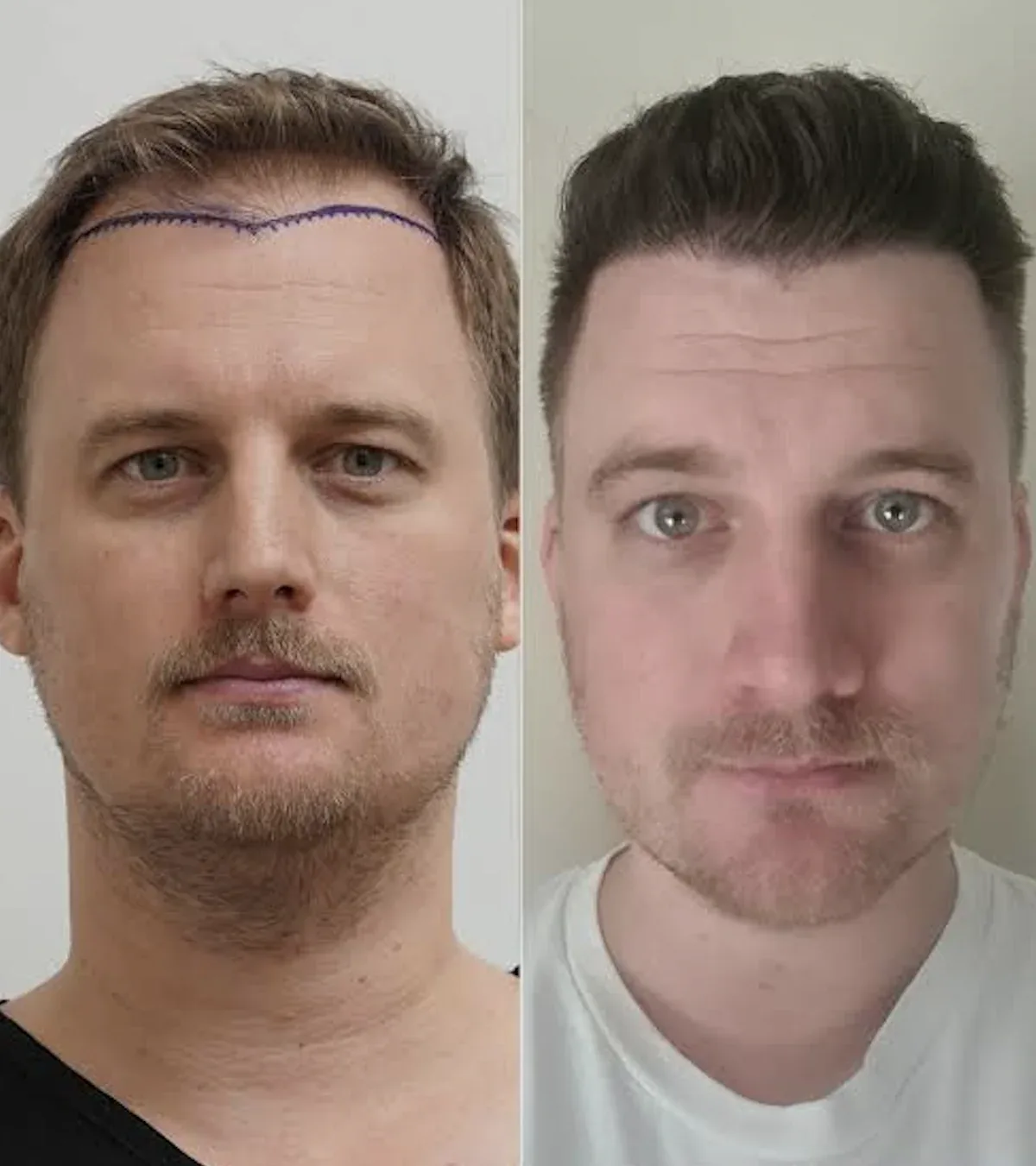
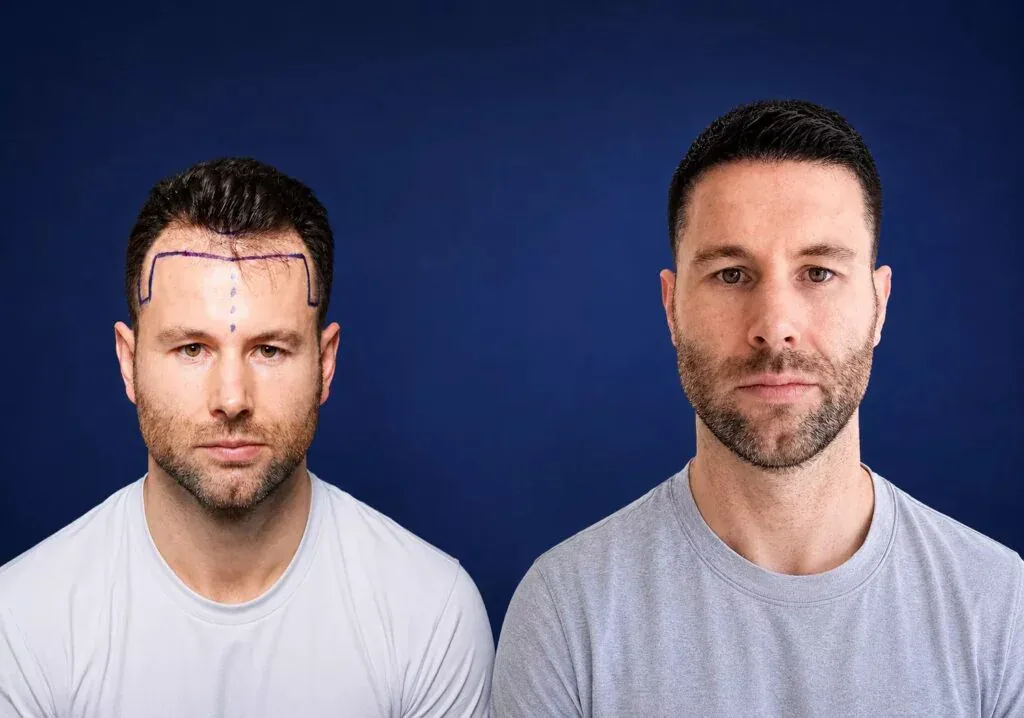
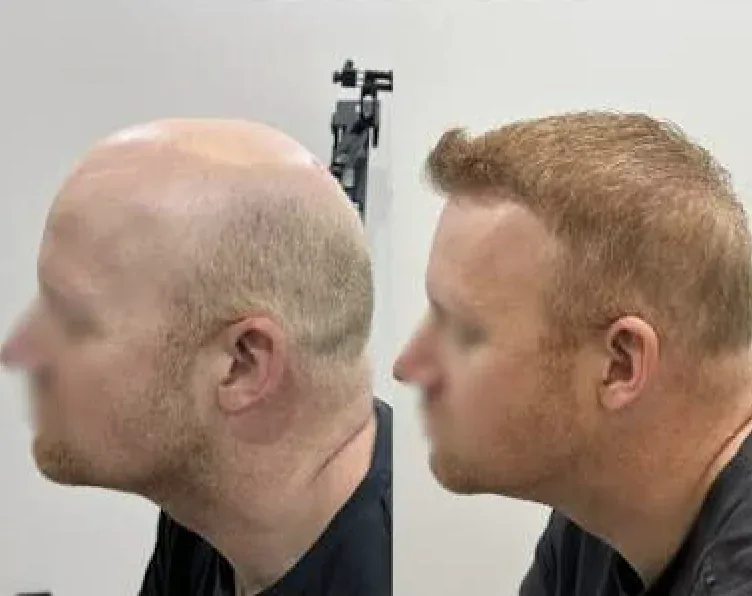
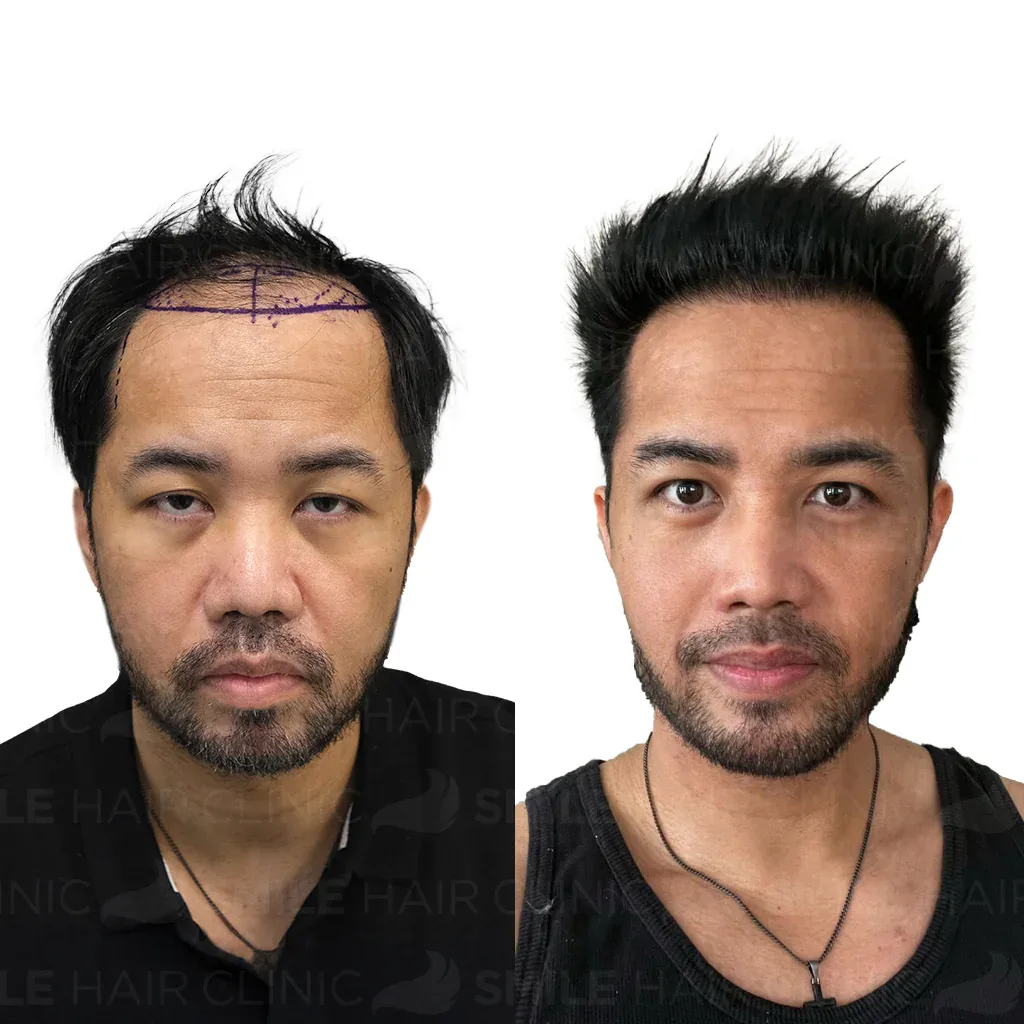
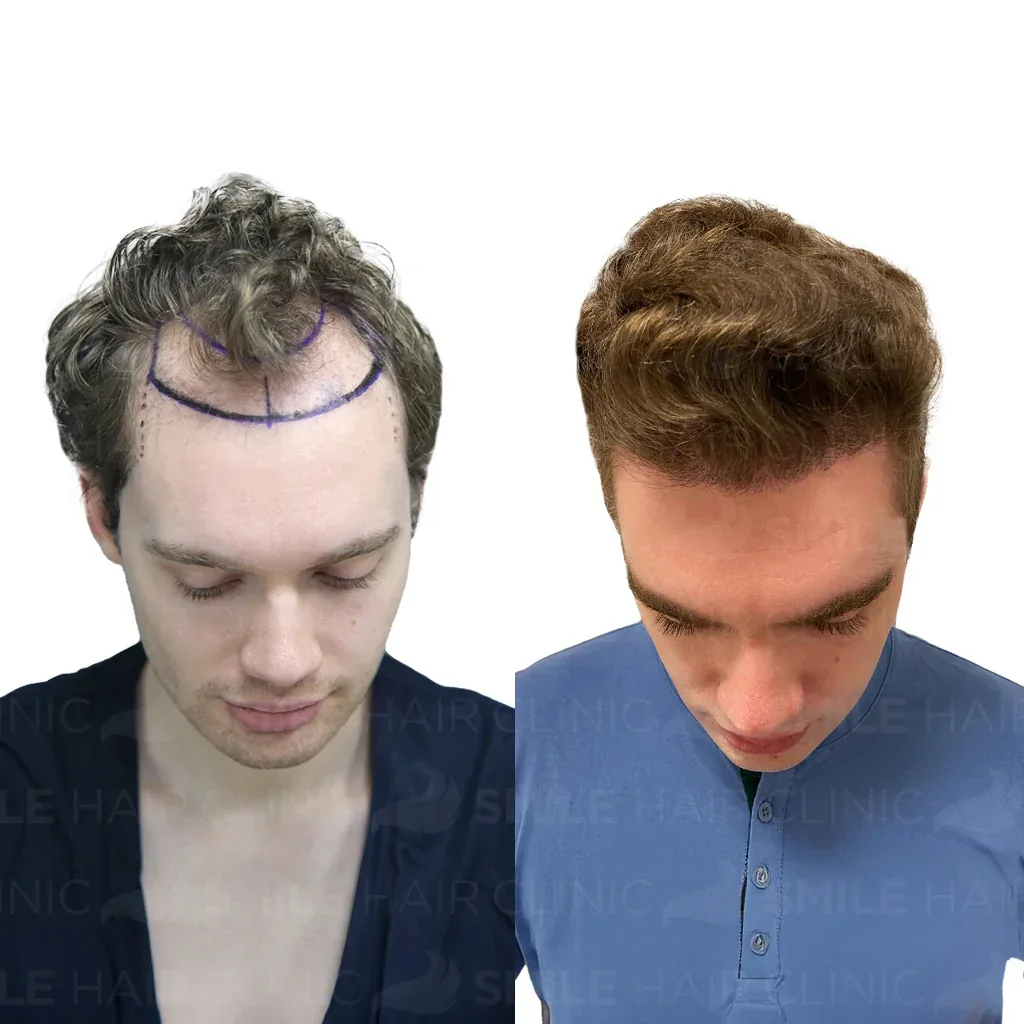
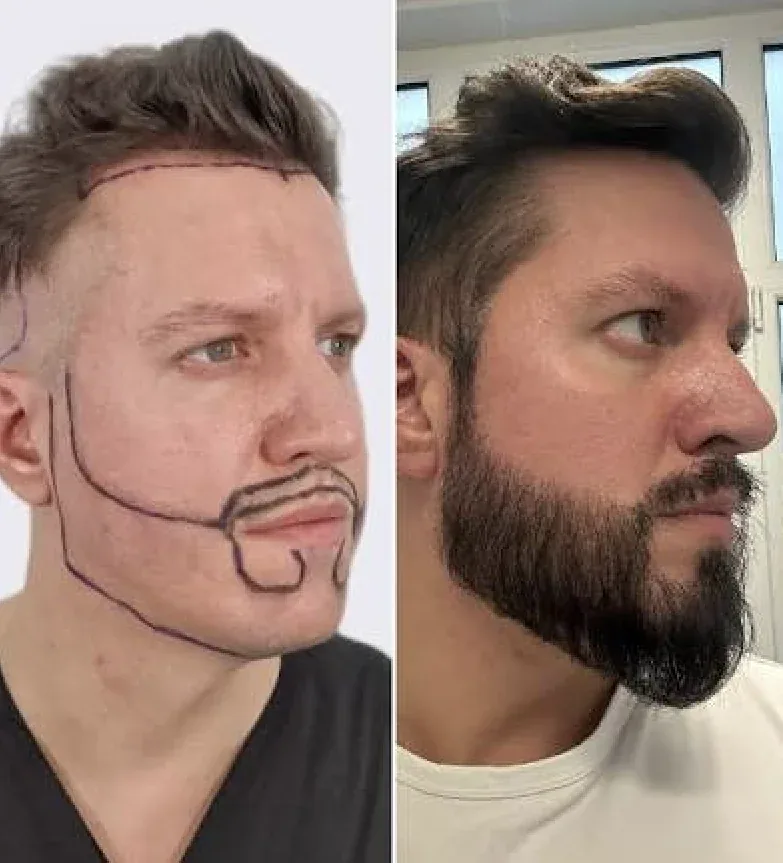
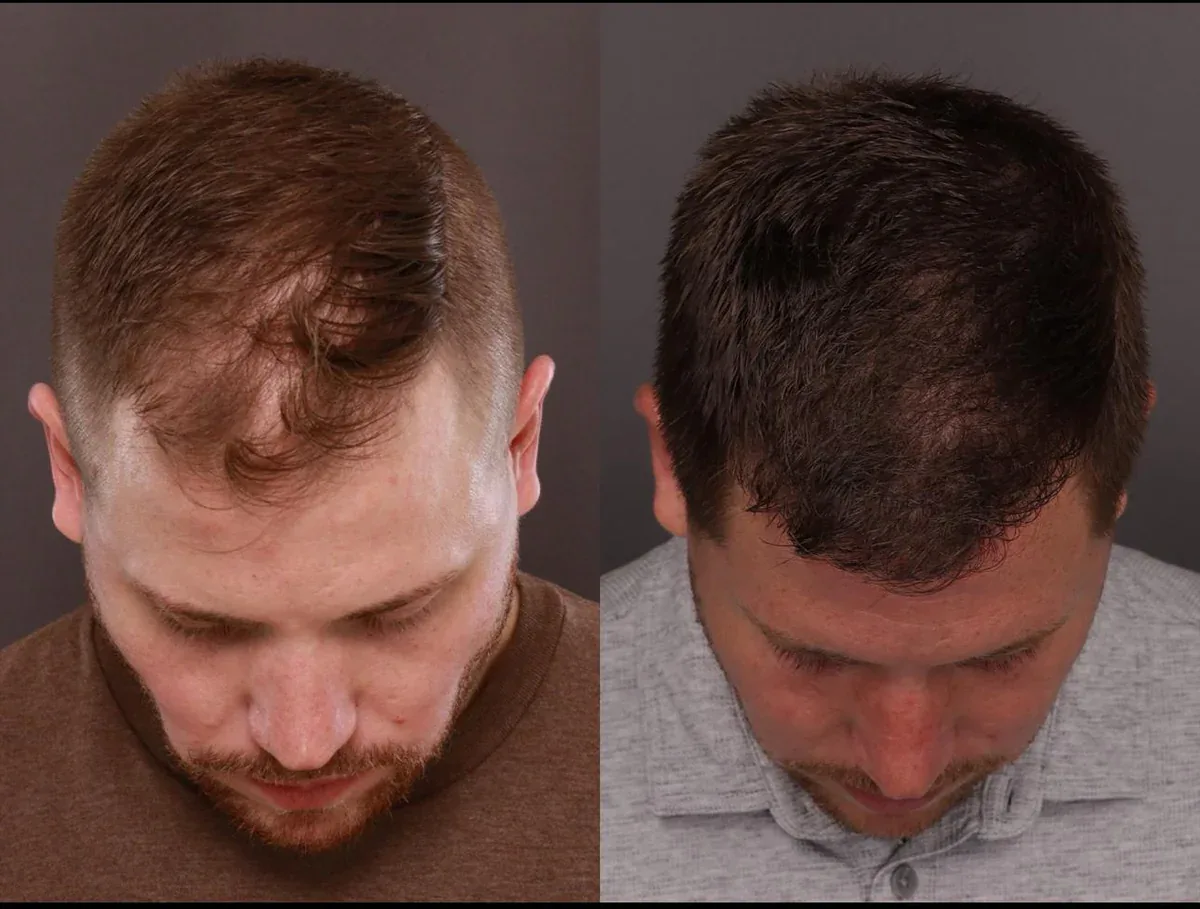
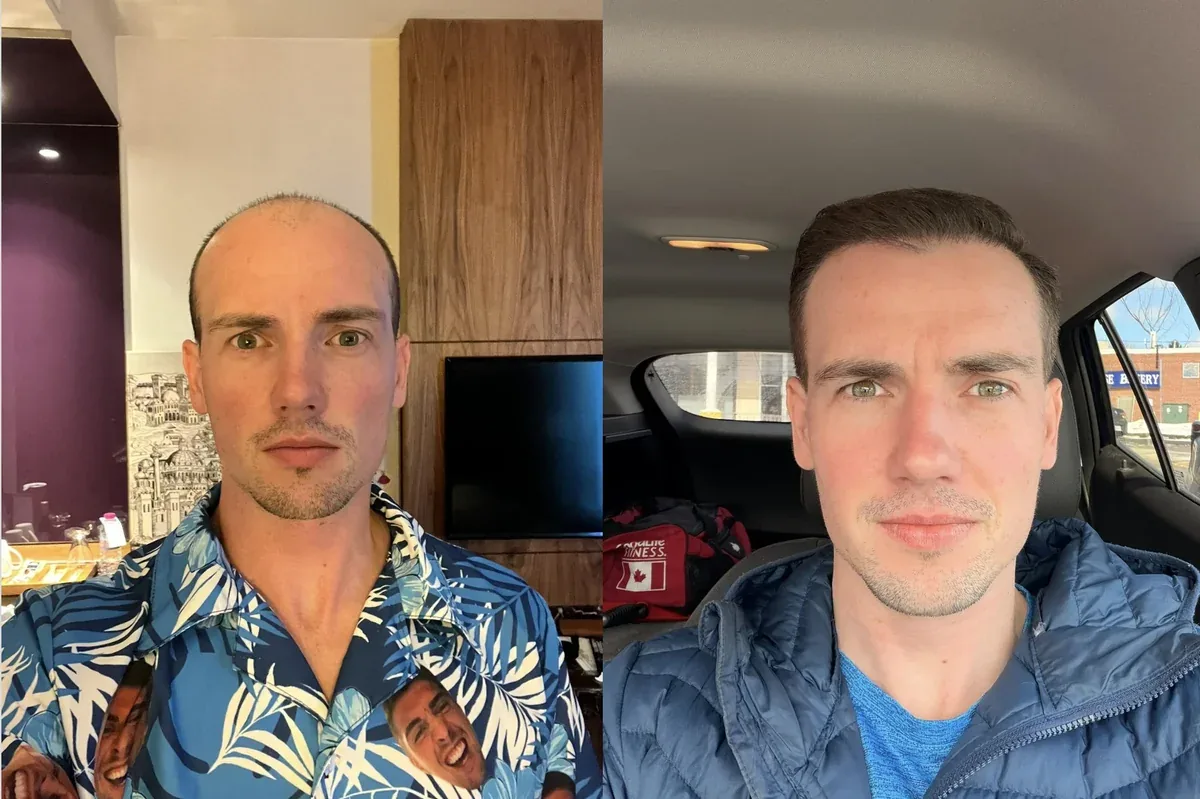
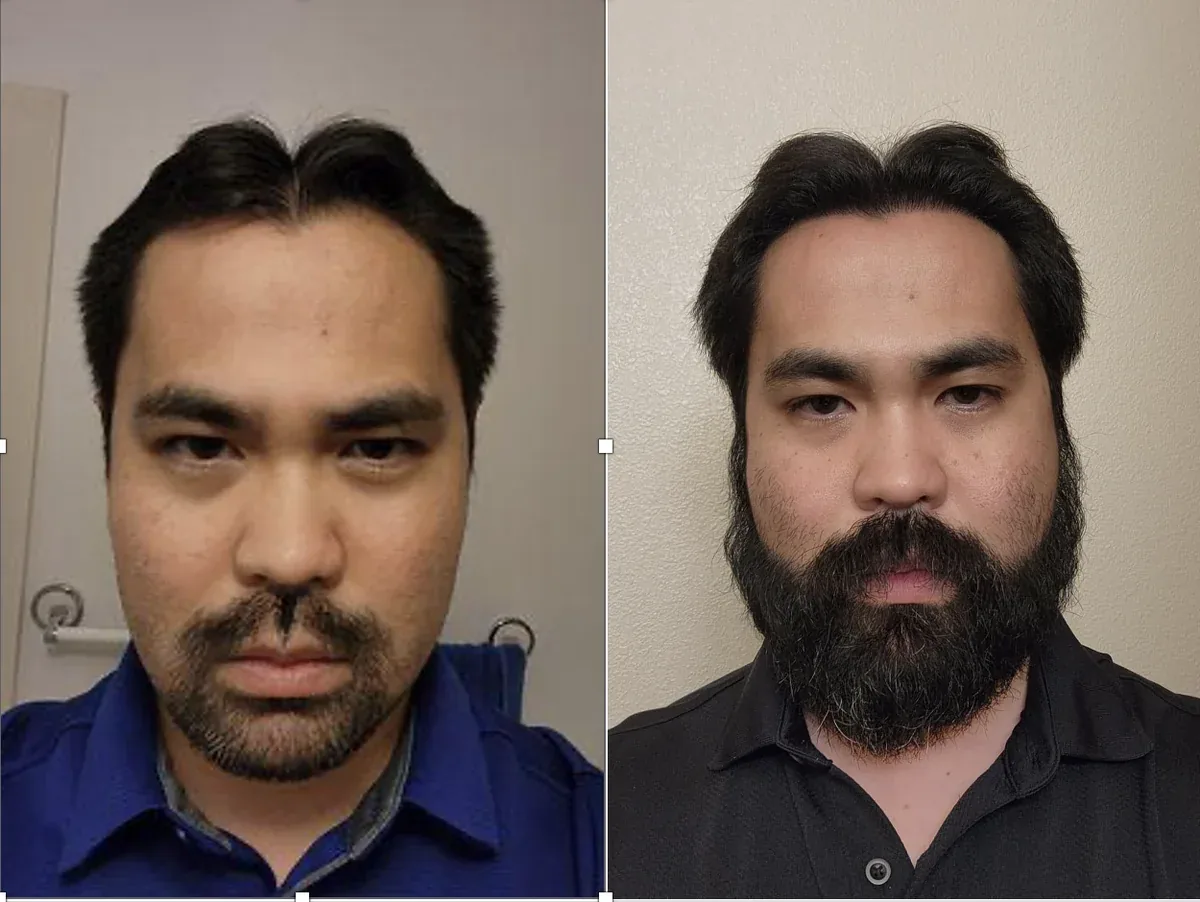
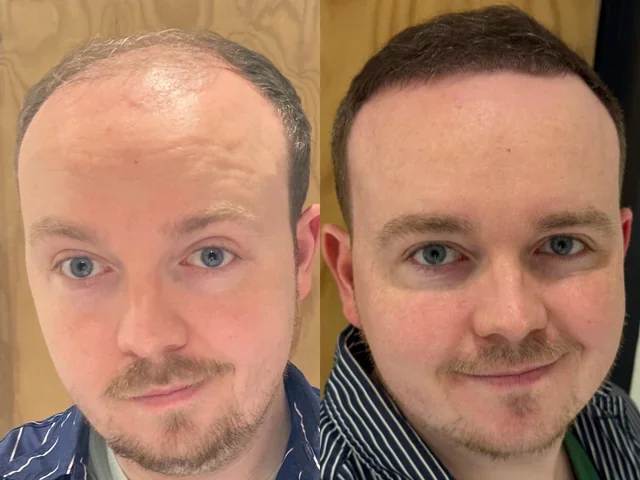
Case 3 before and after: approx. 5,000 to 5,500 grafts, DHI
BeforeAfter

Case 3

approx. 5,000 to 5,500 grafts · DHI

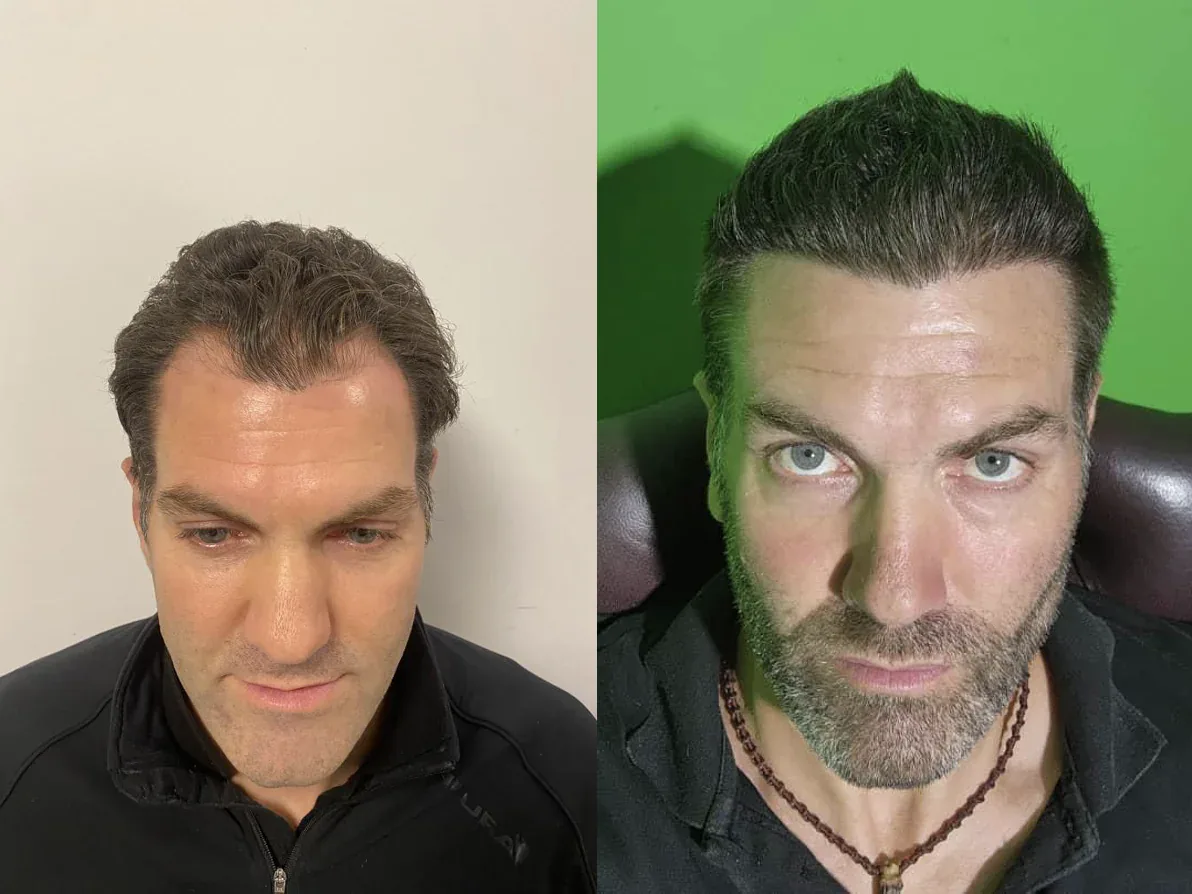
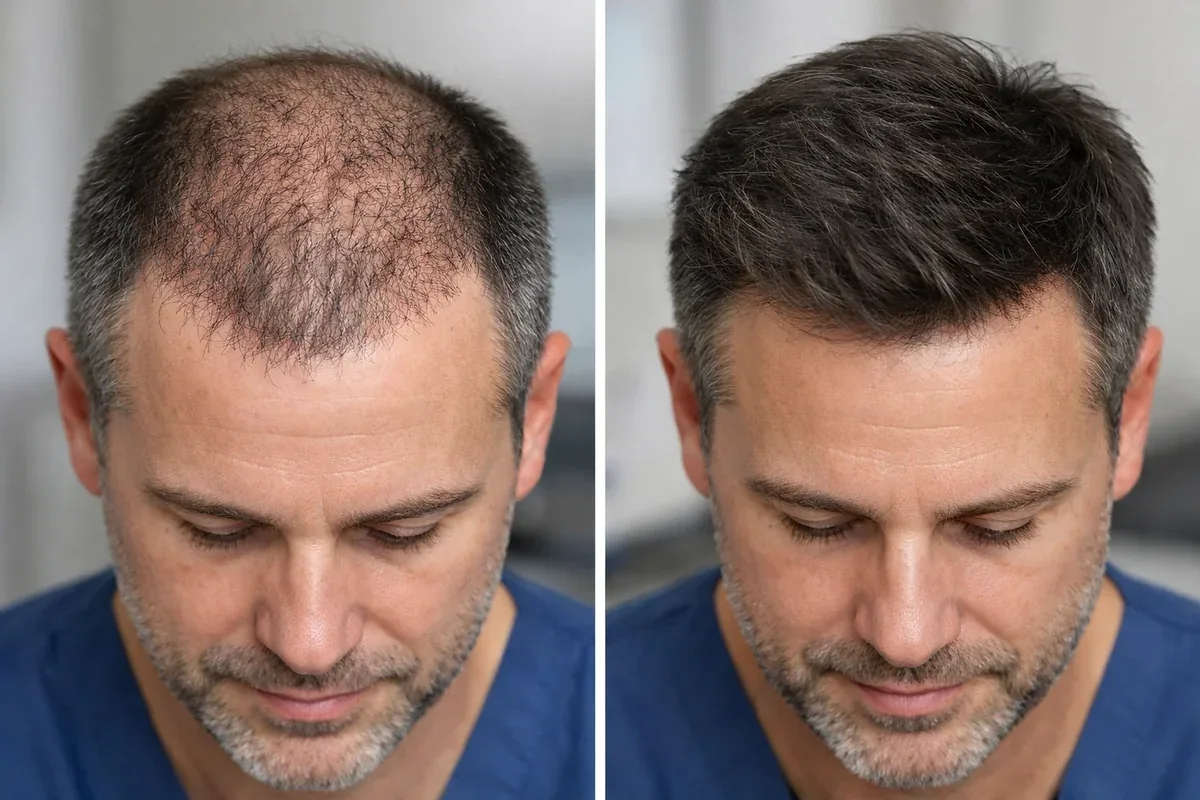
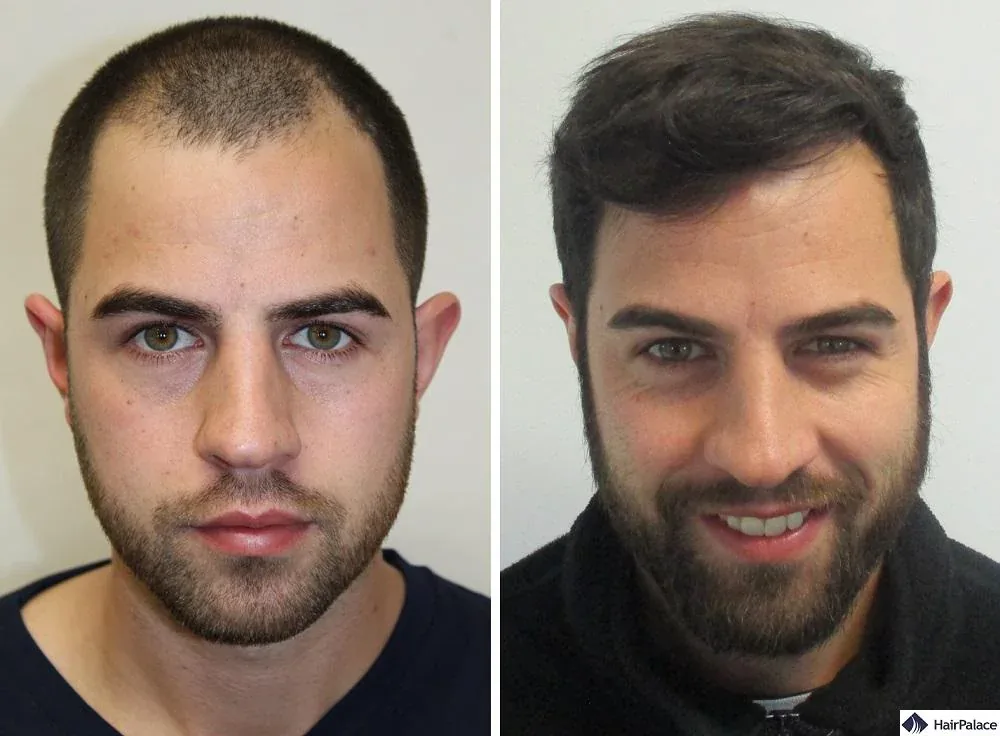
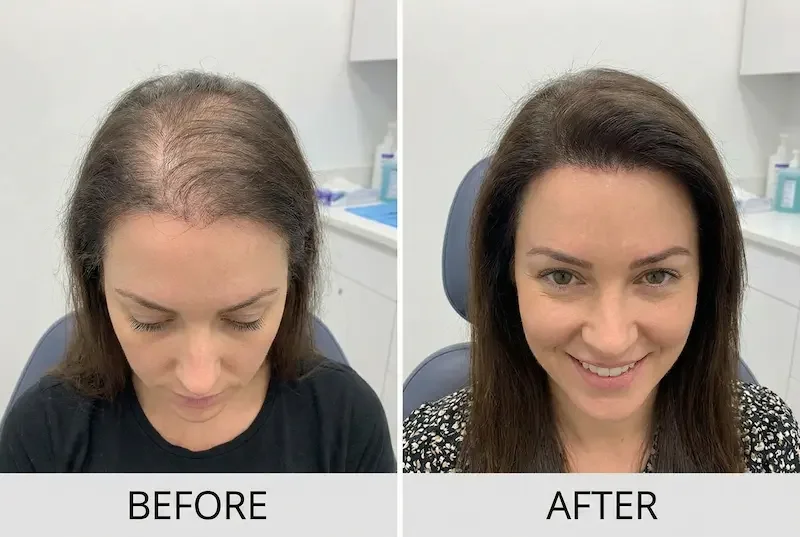
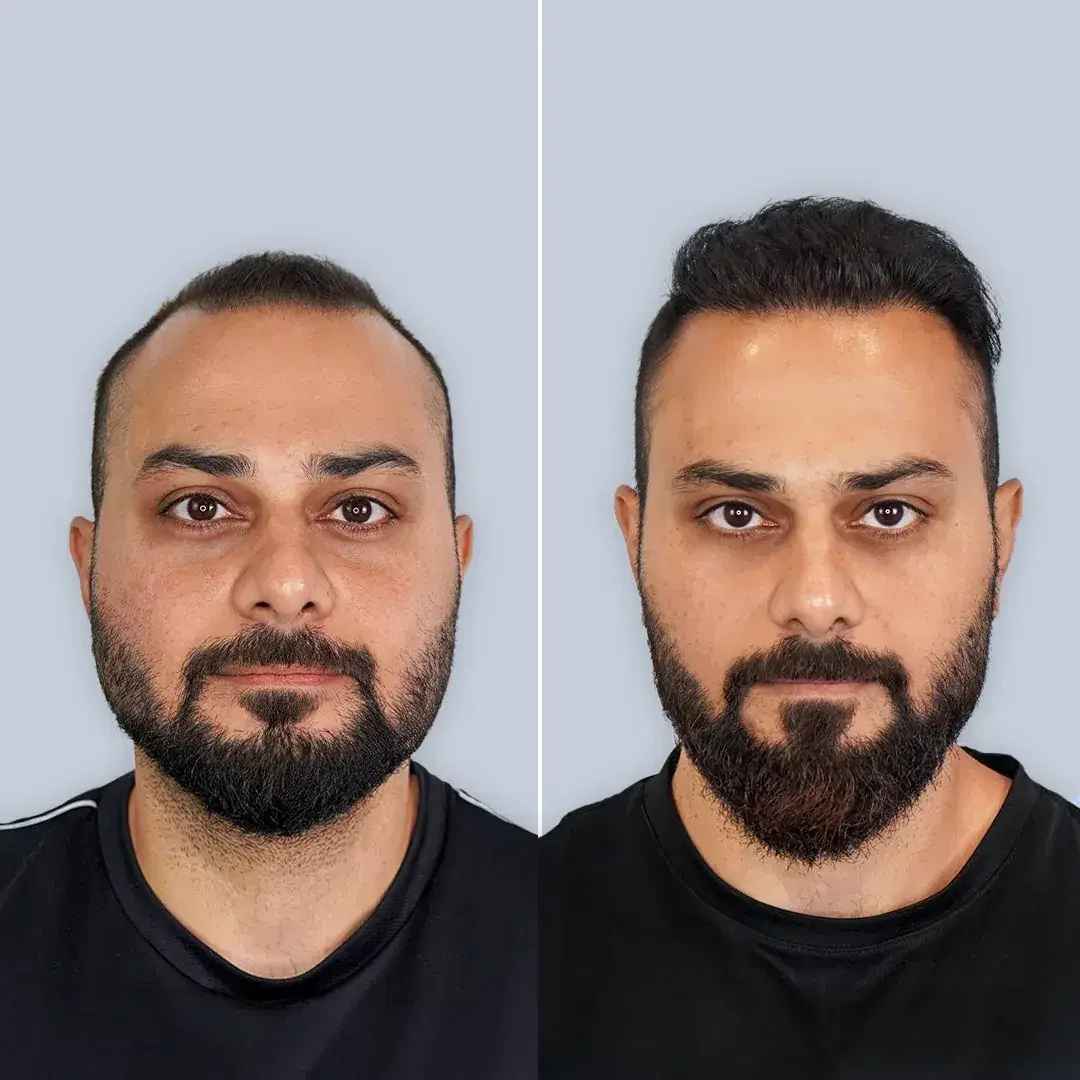
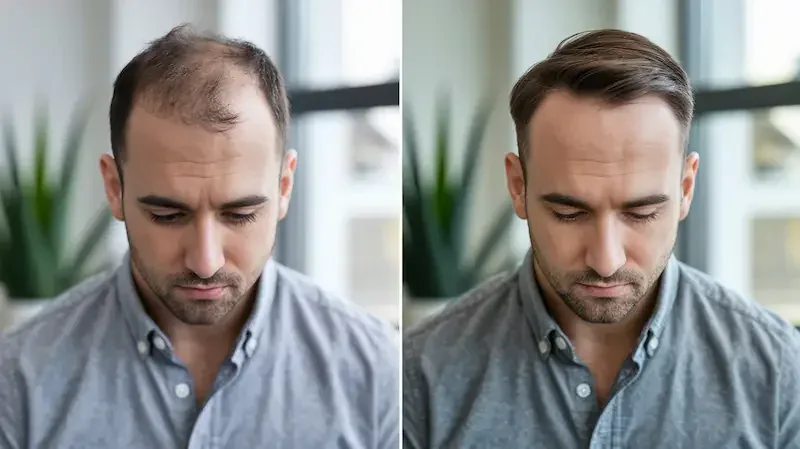
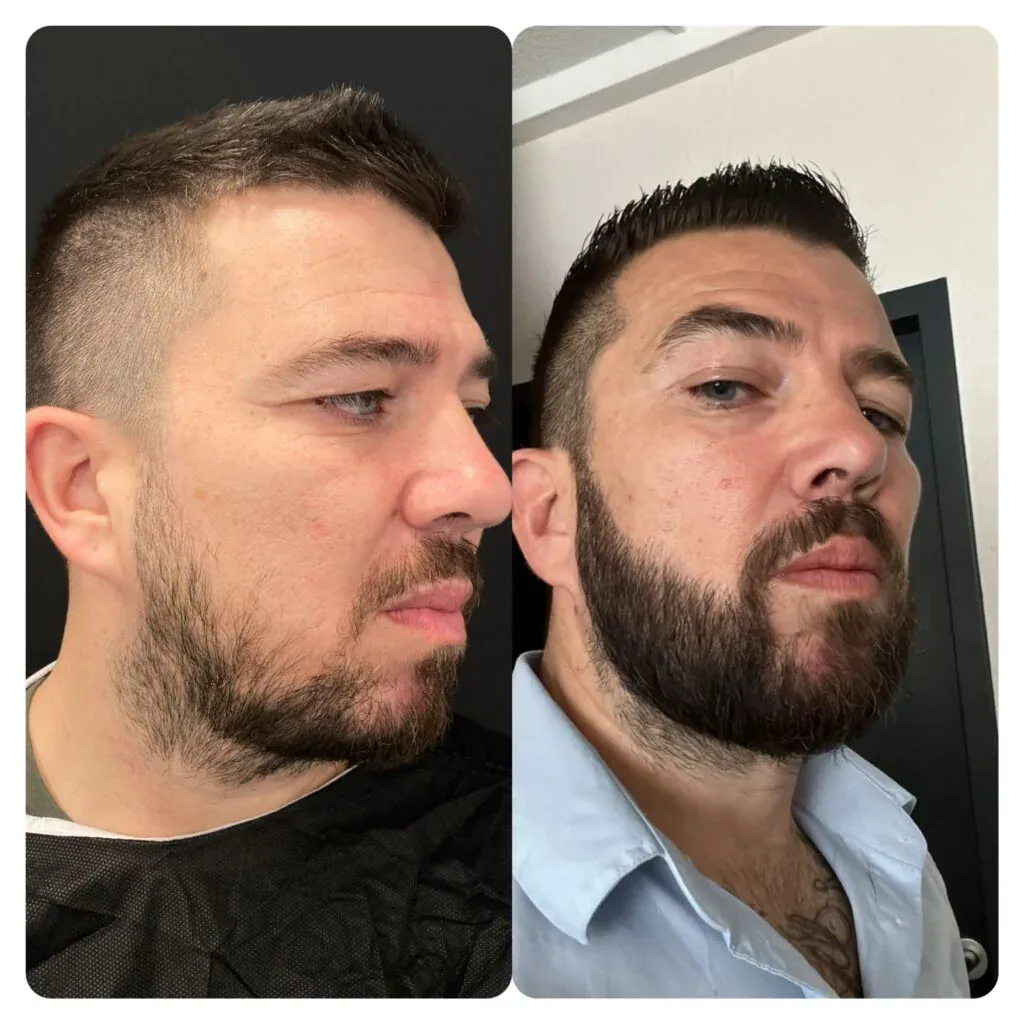
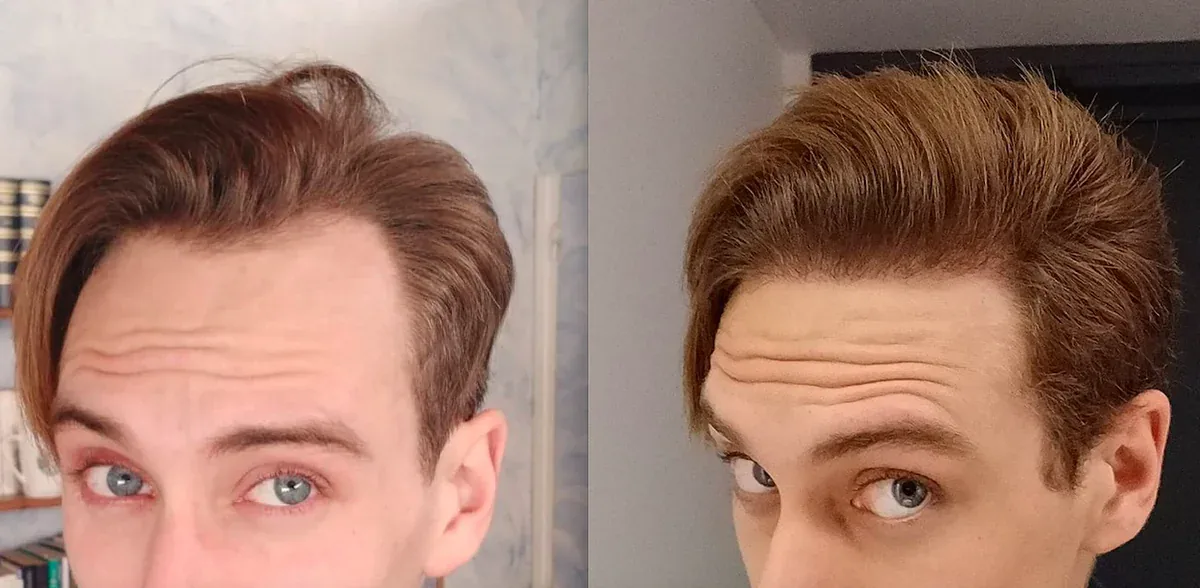
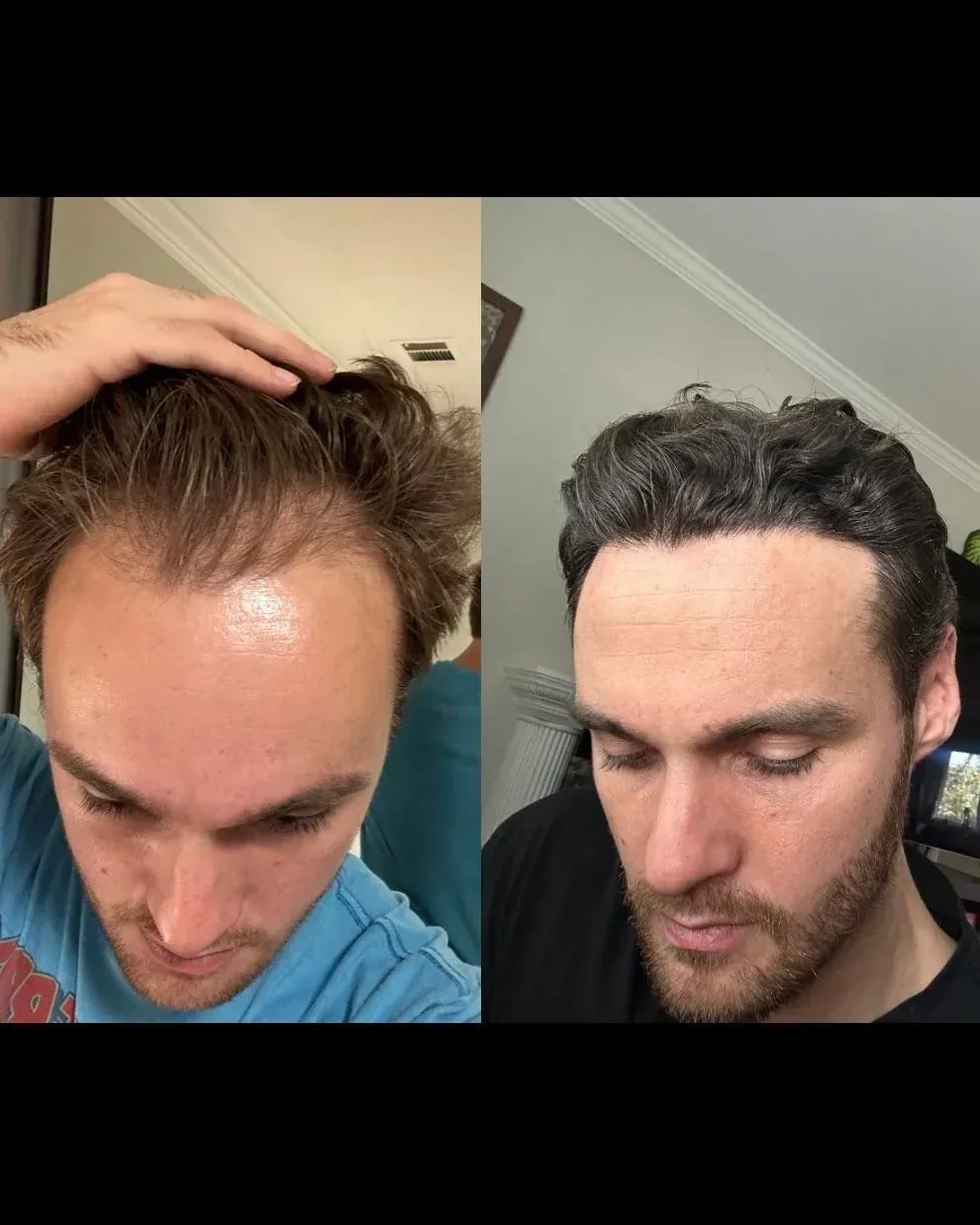
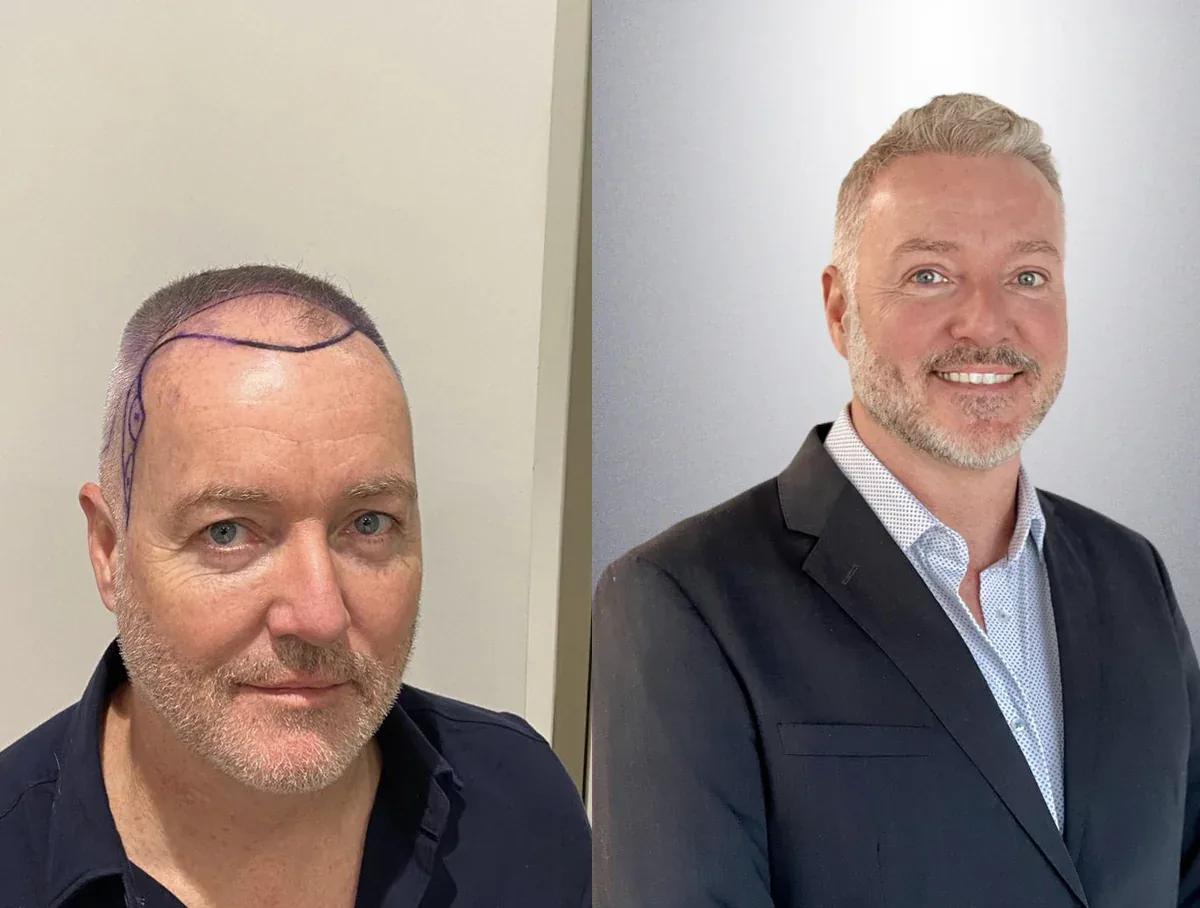
Case 4 before and after: approx. 2,000 to 2,500 grafts, FUE
BeforeAfter

Case 4

approx. 2,000 to 2,500 grafts · FUE

Case 5 before and after: approx. 5,000 to 5,500 grafts, FUE and DHI combined
BeforeAfter

Case 5

approx. 5,000 to 5,500 grafts · FUE and DHI combined

Case 6 before and after: approx. 1,500 to 2,000 grafts, FUE
BeforeAfter

Case 6

approx. 1,500 to 2,000 grafts · FUE

Which method suits your hair?

It depends on your donor area, your hair type and where the loss is. Send three photos and the medical team at the clinic at the top of our ranking will suggest a method and number of grafts.

Goes to the clinic at the top of our ranking.
Get a free hair analysisThree photos and a few short questions. The reply comes from the clinic.Prefer WhatsApp? Message the clinic
Case 7 before and after: approx. 2,500 to 3,000 grafts, FUE
BeforeAfter

Case 7

approx. 2,500 to 3,000 grafts · FUE

Case 8 before and after: approx. 4,500 to 5,000 grafts, DHI
BeforeAfter

Case 8

approx. 4,500 to 5,000 grafts · DHI

Case 9 before and after: approx. 3,000 to 3,500 grafts, FUE and DHI combined
BeforeAfter

Case 9

approx. 3,000 to 3,500 grafts · FUE and DHI combined

Case 10 before and after: approx. 2,500 to 3,000 grafts, FUE
BeforeAfter

Case 10

approx. 2,500 to 3,000 grafts · FUE

Case 11 before and after: approx. 3,000 to 3,500 grafts, FUE and DHI combined
BeforeAfter

Case 11

approx. 3,000 to 3,500 grafts · FUE and DHI combined

Case 12 before and after: approx. 2,500 to 3,000 grafts, FUE and DHI combined
BeforeAfter

Case 12

approx. 2,500 to 3,000 grafts · FUE and DHI combined

Case 13 before and after: approx. 5,500 to 6,000 grafts, DHI
BeforeAfter

Case 13

approx. 5,500 to 6,000 grafts · DHI

Case 14 before and after: approx. 2,500 to 3,000 grafts, DHI
BeforeAfter

Case 14

approx. 2,500 to 3,000 grafts · DHI

Case 15 before and after: approx. 2,000 to 2,500 grafts, DHI
BeforeAfter

Case 15

approx. 2,000 to 2,500 grafts · DHI

Case 16 before and after: approx. 5,000 to 5,500 grafts, FUE
BeforeAfter

Case 16

approx. 5,000 to 5,500 grafts · FUE

Case 17 before and after: approx. 2,500 to 3,000 grafts, FUE and DHI combined
BeforeAfter

Case 17

approx. 2,500 to 3,000 grafts · FUE and DHI combined

Case 18 before and after: approx. 4,000 to 4,500 grafts, DHI
BeforeAfter

Case 18

approx. 4,000 to 4,500 grafts · DHI

Which method suits your hair?

It depends on your donor area, your hair type and where the loss is. Send three photos and the medical team at the clinic at the top of our ranking will suggest a method and number of grafts.

Goes to the clinic at the top of our ranking.
Get a free hair analysisThree photos and a few short questions. The reply comes from the clinic.Prefer WhatsApp? Message the clinic
Case 19 before and after: approx. 5,500 to 6,000 grafts, FUE and DHI combined
BeforeAfter

Case 19

approx. 5,500 to 6,000 grafts · FUE and DHI combined

Case 20 before and after: approx. 1,500 to 2,000 grafts, FUE and DHI combined
BeforeAfter

Case 20

approx. 1,500 to 2,000 grafts · FUE and DHI combined

Case 21 before and after: approx. 4,000 to 4,500 grafts, FUE
BeforeAfter

Case 21

approx. 4,000 to 4,500 grafts · FUE

Case 22 before and after: approx. 3,000 to 3,500 grafts, DHI
BeforeAfter

Case 22

approx. 3,000 to 3,500 grafts · DHI

Case 23 before and after: approx. 2,000 to 2,500 grafts, DHI
BeforeAfter

Case 23

approx. 2,000 to 2,500 grafts · DHI

Case 24 before and after: approx. 4,500 to 5,000 grafts, DHI
BeforeAfter

Case 24

approx. 4,500 to 5,000 grafts · DHI

Case 25 before and after: approx. 4,000 to 4,500 grafts, FUE and DHI combined
BeforeAfter

Case 25

approx. 4,000 to 4,500 grafts · FUE and DHI combined

Case 26 before and after: approx. 2,000 to 2,500 grafts, FUE
BeforeAfter

Case 26

approx. 2,000 to 2,500 grafts · FUE

Case 27 before and after: approx. 4,500 to 5,000 grafts, FUE and DHI combined
BeforeAfter

Case 27

approx. 4,500 to 5,000 grafts · FUE and DHI combined

Case 28 before and after: approx. 5,000 to 5,500 grafts, DHI
BeforeAfter

Case 28

approx. 5,000 to 5,500 grafts · DHI

Case 29 before and after: approx. 1,500 to 2,000 grafts, FUE
BeforeAfter

Case 29

approx. 1,500 to 2,000 grafts · FUE

Case 30 before and after: approx. 3,000 to 3,500 grafts, DHI
BeforeAfter

Case 30

approx. 3,000 to 3,500 grafts · DHI

Case 31 before and after: approx. 4,000 to 4,500 grafts, DHI
BeforeAfter

Case 31

approx. 4,000 to 4,500 grafts · DHI

Case 32 before and after: approx. 3,500 to 4,000 grafts, FUE and DHI combined
BeforeAfter

Case 32

approx. 3,500 to 4,000 grafts · FUE and DHI combined

Case 33 before and after: approx. 4,500 to 5,000 grafts, DHI
BeforeAfter

Case 33

approx. 4,500 to 5,000 grafts · DHI

Case 34 before and after: approx. 2,000 to 2,500 grafts, FUE
BeforeAfter

Case 34

approx. 2,000 to 2,500 grafts · FUE

Case 35 before and after: approx. 4,000 to 4,500 grafts, FUE and DHI combined
BeforeAfter

Case 35

approx. 4,000 to 4,500 grafts · FUE and DHI combined

Case 36 before and after: approx. 2,500 to 3,000 grafts, FUE
BeforeAfter

Case 36

approx. 2,500 to 3,000 grafts · FUE

Case 37 before and after: approx. 2,500 to 3,000 grafts, FUE and DHI combined
BeforeAfter

Case 37

approx. 2,500 to 3,000 grafts · FUE and DHI combined

Case 38 before and after: approx. 5,000 to 5,500 grafts, DHI
BeforeAfter

Case 38

approx. 5,000 to 5,500 grafts · DHI

Case 39 before and after: approx. 3,500 to 4,000 grafts, FUE
BeforeAfter

Case 39

approx. 3,500 to 4,000 grafts · FUE

Case 40 before and after: approx. 4,000 to 4,500 grafts, FUE
BeforeAfter

Case 40

approx. 4,000 to 4,500 grafts · FUE

Case 41 before and after: approx. 2,000 to 2,500 grafts, FUE
BeforeAfter

Case 41

approx. 2,000 to 2,500 grafts · FUE

Case 42 before and after: approx. 1,500 to 2,000 grafts, DHI
BeforeAfter

Case 42

approx. 1,500 to 2,000 grafts · DHI

Case 43 before and after: approx. 2,500 to 3,000 grafts, FUE and DHI combined
BeforeAfter

Case 43

approx. 2,500 to 3,000 grafts · FUE and DHI combined

Case 44 before and after: approx. 5,000 to 5,500 grafts, FUE
BeforeAfter

Case 44

approx. 5,000 to 5,500 grafts · FUE

Case 45 before and after: approx. 4,500 to 5,000 grafts, FUE
BeforeAfter

Case 45

approx. 4,500 to 5,000 grafts · FUE

Case 46 before and after: approx. 3,500 to 4,000 grafts, FUE
BeforeAfter

Case 46

approx. 3,500 to 4,000 grafts · FUE

Case 47 before and after: approx. 3,500 to 4,000 grafts, FUE
BeforeAfter

Case 47

approx. 3,500 to 4,000 grafts · FUE

Case 48 before and after: approx. 2,500 to 3,000 grafts, FUE
BeforeAfter

Case 48

approx. 2,500 to 3,000 grafts · FUE

Case 49 before and after: approx. 4,500 to 5,000 grafts, DHI
BeforeAfter

Case 49

approx. 4,500 to 5,000 grafts · DHI

Case 50 before and after: approx. 3,000 to 3,500 grafts, DHI
BeforeAfter

Case 50

approx. 3,000 to 3,500 grafts · DHI

The images here are partly real results from clinics in our ranking and partly examples we have put together from publicly available sources. Held up against the four points above, something is missing. The number of grafts is our own rounded estimate based on the photos, the method is what we believe the photos show, and we know neither the time since the procedure nor the conditions the photos were taken under. Use them to get an impression of what these procedures achieve. They're not enough to judge a result.

What should you look for in a before and after photo?

Go through four points, in this order. How long after the procedure the photo was taken, where one year (12 months) is the fair point to measure. The number of grafts and which area was treated. The same photo conditions, without wet hair. And the hairline seen up close, because a natural front is slightly irregular and built up from single hairs.

Time since the procedure: before six months you see how things are progressing, not how they turned out. Grafts and area: 4,000 grafts spread over the whole head give a completely different density from 4,000 grafts concentrated along the front. Photo conditions: the same angle and the same light, and the hair should be dry in both. If the hair is wet or full of product, the density can look twice as high. The hairline up close: a razor-sharp, perfectly straight front gives away poor work before anything else. If a clinic never shows the front up close, that in itself tells you something.

How long does it take for the result to show?

After two to three weeks the transplanted hairs fall out. Visible new growth comes in months 3 to 4. From month 6 and towards month 9 the hair gradually becomes denser, and about 12 months after the procedure you can judge the final result.

The early shedding is normal and passes. Because the growth afterwards is so slow, reputable clinics take photos at fixed intervals and put the month on every single one. If a clinic shows "results" without a date, it's hoping you won't think about it. You'll find the whole curve, month by month, in the guide to aftercare and the growth phases.

Why do results vary so much from person to person?

Five factors set the limit. How good the donor area is, how large the thinning area is, the contrast between hair and skin, the hair type, and how well the clinic plans and places the grafts. The same number of grafts can look very different on two different heads.

The donor area decides how much hair there is to take, and how thick each hair is. The thinning area decides how far the grafts have to stretch. If the skin and hair are roughly the same colour, the scalp shows less, and curly hair fills more than straight hair for each graft. Planning decides whether the grafts end up where they give the most visible density. That's why documentation per case, with the number of grafts, says more than a clinic's shop window. And that's why a reputable clinic first looks at how much donor hair you have before it mentions a number.

How good the result is depends on who makes the plan and performs the operation. In our ranking of the world's best hair transplant clinics you can see which clinics show their work with this kind of documentation. If you'd rather know what you can achieve from your own starting point, you can get a free assessment in the consultation below.

Frequently asked questions

When can the result be considered final?

After around 12 months. Photos from three to six months almost always show less than the final result, because the growth isn't finished.

Does the result last?

The hairs that are moved come from areas that are largely resistant to the hormone behind common hair loss, so they last a long time. The surrounding hair can still keep thinning, which is why a good clinic plans with future hair loss in mind.

Why does the hair look wet in so many clinic photos?

Because wet hair and styling products make the density look greater. Compare dry hair without product in both photos. Otherwise the after photo looks better than it deserves.

Will I get as good a result with the same number of grafts as a case?

Only if your donor area, hair type and colour contrast are similar, and the thinning area is roughly the same size. See the cases as proof of what the clinic can do, not as a promise to you.

Which method suits your hair?

It depends on your donor area, your hair type and where the loss is. Send three photos and the medical team at the clinic at the top of our ranking will suggest a method and number of grafts.

Goes to the clinic at the top of our ranking.

Get a free hair analysisThree photos and a few short questions. The reply comes from the clinic.Prefer WhatsApp? Message the clinic

Last updated: October 2026 · Editorial standards

Free hair analysis, no obligation

  1. 1Start
  2. 2Details
  3. 3Done
Ask the clinic