Hair loss treatment without surgery: what actually works?
Why does hair loss treatment often start with medicine rather than surgery?
Because surgery only relocates hair. The process behind hereditary hair loss carries on after the operation, and without something to slow it, your own hair around the transplanted area gets thinner and thinner, so the result can look odd after a few years.
Many people think of medicine and surgery as two alternative routes. In practice they go together. Someone who has hair moved to the front without slowing the loss behind it can end up with a dense strip at the front and an increasingly sparse area around it. Medical treatment is therefore often what makes a surgical result last, and for many people it's enough on its own.
Here we go through what is actually documented for men and women who want to slow hair loss without going under the knife. We say clearly where the research is strong and where it's thin, so you can make an informed choice with your doctor and know what each treatment can realistically deliver. Nothing here replaces a prescription or a personal assessment.
Why does it pay to start early?
Medicine is much better at keeping the hair you have than at reviving follicles that have already died. A shrunken follicle that still makes a thin hair can often be strengthened, but a follicle that has been replaced by scar tissue won't come back.
Think of it as a set of accounts. Every follicle that still makes a fine vellus hair is an asset that can be built up again. Every follicle that has given up and turned into scar tissue is lost for good, and no tablet or cream changes that.
The sooner you start after the first signs, such as higher temples, a hairline that's moving back or a top area that's getting sparse, the more you can keep. If you wait until everyone around you can see it, you've often used up the best window. The flip side is that everything that works has to be continued. If you stop, the loss usually returns within 6 to 12 months, and the gains disappear bit by bit.
How does minoxidil work, and what can you expect?
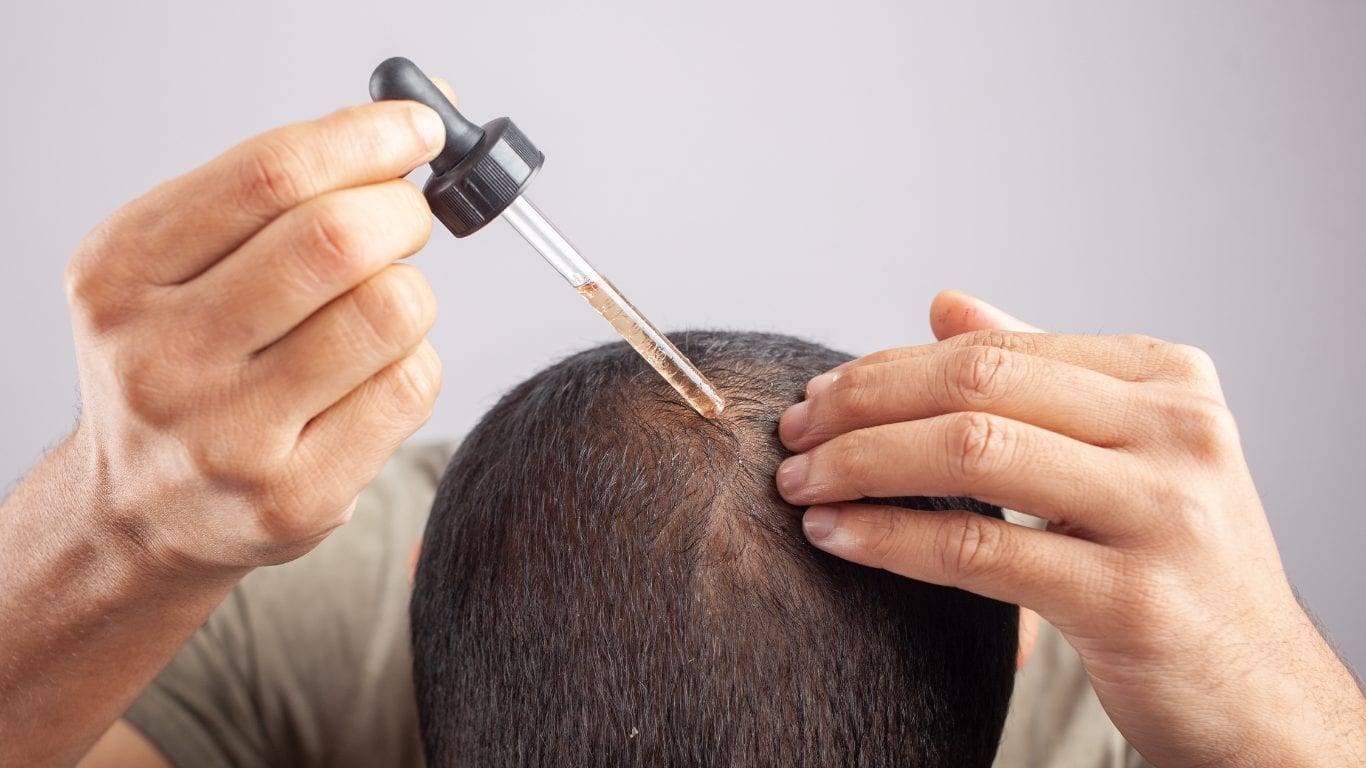
Minoxidil keeps hair follicles in the growth phase for longer and increases blood flow around them, so more hairs grow at once and each hair gets stronger. You need to use it daily for 3 to 6 months before anything shows, mostly on the top and crown, and if you stop, the gains are lost.
Few hair loss treatments have been studied more thoroughly, and for many people minoxidil is the place to start. Its history is a bit of a fluke: the drug was developed to lower blood pressure, and patients grew more hair. The solution or foam you apply to the scalp comes in 2 and 5 percent strengths and is used once or twice a day. In most countries you can get it without a prescription. Low-dose tablets, usually under 5 mg a day, are a newer option used off-label and need a doctor's prescription. The differences are explained in the guide to minoxidil.
It doesn't touch DHT. So minoxidil does nothing about the cause itself, only the effects, but there it works. Many people get a fright in the first few weeks because more hair falls out. This is called shedding and means resting hairs are being pushed out by new hairs on their way up. It passes. The skin can react with dryness, itching or flaking.
If your hair loss has only just started, a procedure may not be the right step yet. The medical team at the clinic at the top of our ranking can look at your photos and tell you honestly whether to wait, start with treatment or consider more.
Goes to the clinic at the top of our ranking.
How does finasteride slow hereditary hair loss?
Finasteride blocks the enzyme 5-alpha reductase, so the body makes less DHT from testosterone. With less DHT, the genetically vulnerable follicles shrink more slowly, and on 1 mg a day most men keep their hair or gain more over several years.
Where minoxidil works on the effects, finasteride goes after the mechanism. When the DHT level in the scalp drops, the shrinking happens more slowly, and in many men the loss stops altogether.
Few hair loss medicines have been followed for as long. In the studies behind its approval, the men on finasteride gained hair while those on placebo kept losing it, and after five years the difference held. That's why finasteride carries much of the weight in a long-term plan, often with minoxidil alongside. A small share of men report sexual side effects, such as reduced libido or erection problems. In almost everyone these go away when the tablets are stopped, but talk to your doctor about this before you start. Do you have to choose between finasteride and a transplant? Rarely. The tablet protects the hair you have, the operation replaces what's gone, and the two are most often used together. Finasteride is prescription-only. Women who could become pregnant must not take it, since a male foetus needs DHT to develop normally. You'll find the details in the guide to finasteride and dutasteride.
When is dutasteride used instead of finasteride?
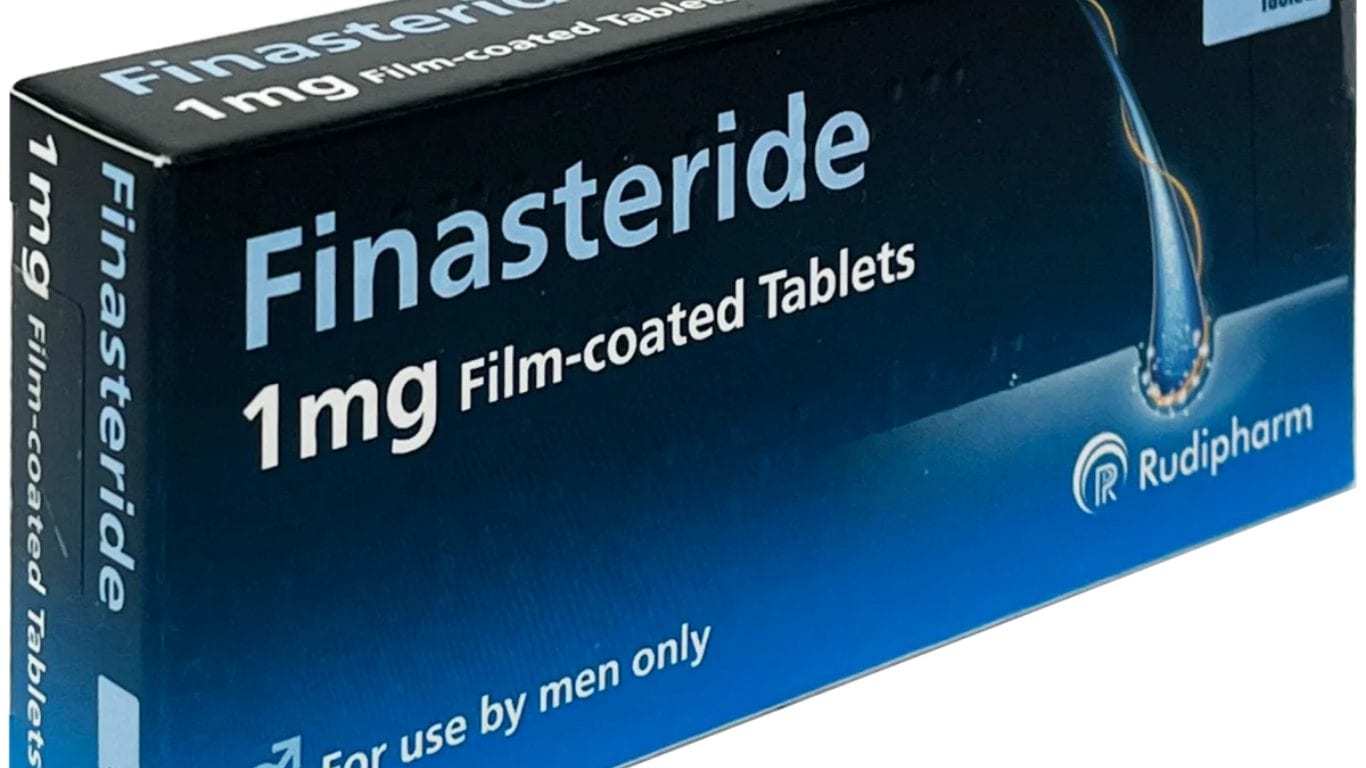
Dutasteride blocks both types of the enzyme, while finasteride blocks only one, so it lowers DHT more. Some doctors prescribe it for hair loss off-label when finasteride isn't enough, and then with close follow-up.
Stronger inhibition also means the side effects have to be weighed just as carefully. Jumping straight to the strongest option makes little sense. Finasteride is the natural first step for almost everyone, and dutasteride is the card your doctor can play if the results don't materialise.
All DHT blockers have to be taken continuously. They prevent more than they rebuild, and choosing between them is about effect, side effects and your health otherwise. That's a trade-off you make with your doctor. An online forum doesn't know you.
How much more does the stronger drug give? When three studies with a total of 576 men were pooled, those on dutasteride gained on average around 29 more hairs than those on finasteride. Dutasteride also has a much longer half-life, so it leaves the body far more slowly when you stop. That's worth knowing before you switch.
Does ketoconazole shampoo help with hair loss?
A little, as an add-on. Ketoconazole is an antifungal, and 2 percent shampoo is a common treatment for dandruff and seborrhoeic dermatitis. It appears to have a weak anti-androgen effect in the scalp and to calm inflammation around the follicles, but it won't stop hereditary hair loss on its own.
The usual routine is 2 to 3 washes a week, alongside minoxidil or finasteride. The shampoo is inexpensive and easy to fit into your routine, so even a modest gain is worth it. A calm scalp without inflammation gives hair better conditions to grow. If you have dandruff anyway, you're treating it at the same time with a product that is well documented for exactly that.

What is PRP, and how well documented is it?
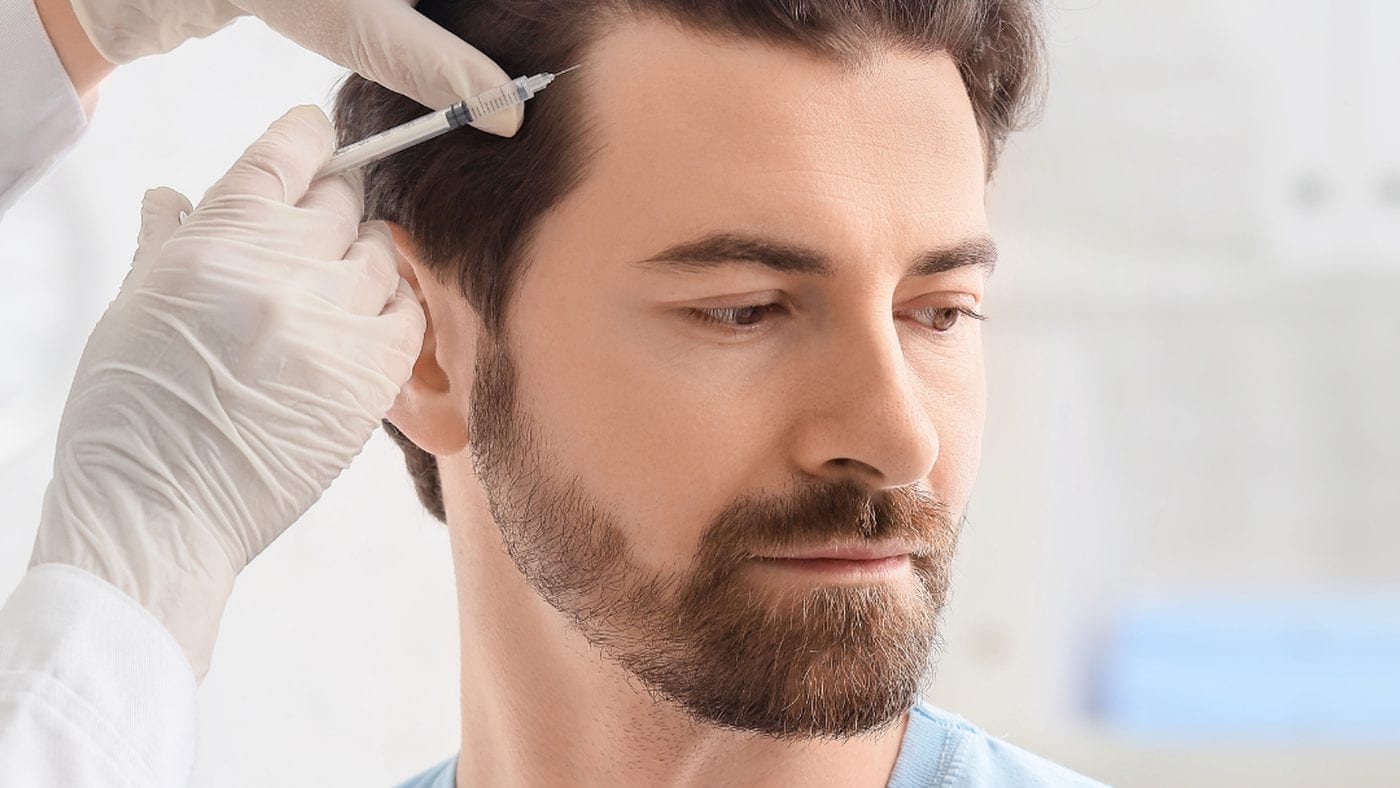
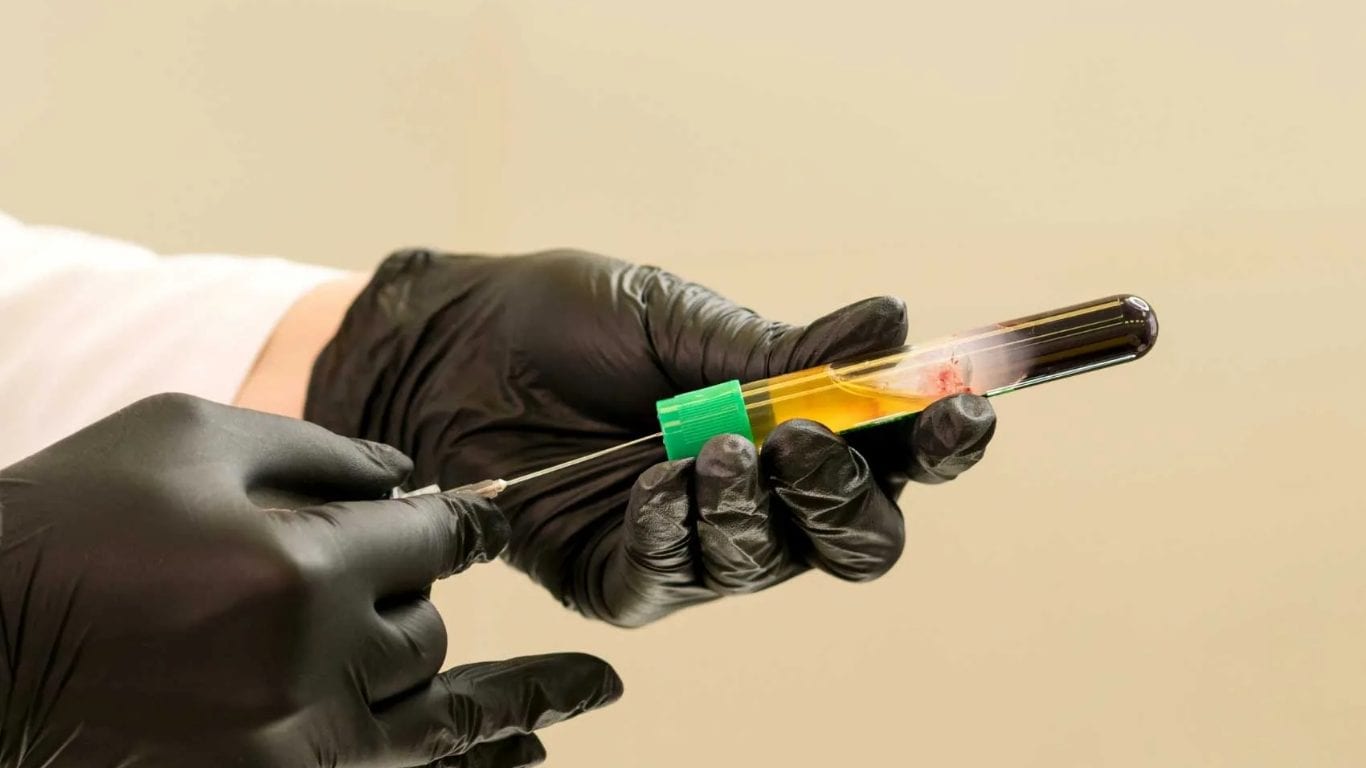
PRP stands for platelet-rich plasma: a little of your own blood is spun in a centrifuge, and the plasma with concentrated growth factors is injected into the scalp. The results are promising but more mixed than the evidence behind the two main medicines, so PRP works best as an add-on.
The idea is that growth factors from the platelets wake up the follicles and keep them in the growth phase for longer. The price depends on how many sessions you have, and you need repeat sessions to maintain the effect.
The problem with the research is that clinics do it differently. Volume, concentration and number of treatments vary so much that the studies are hard to compare. In a 2024 meta-analysis (six studies, 343 participants), PRP combined with minoxidil gave more density and thicker hair than either on its own. Many people use PRP to support the hair they have, or to help healing and growth after a transplant. It works as an add-on, not as a replacement for the medicines with solid evidence. The same goes for mesotherapy, where a blend of nutrients is injected into the scalp. There the evidence is even weaker. See also the guides to PRP and mesotherapy.
Do microneedling and laser treatment (LLLT) work?
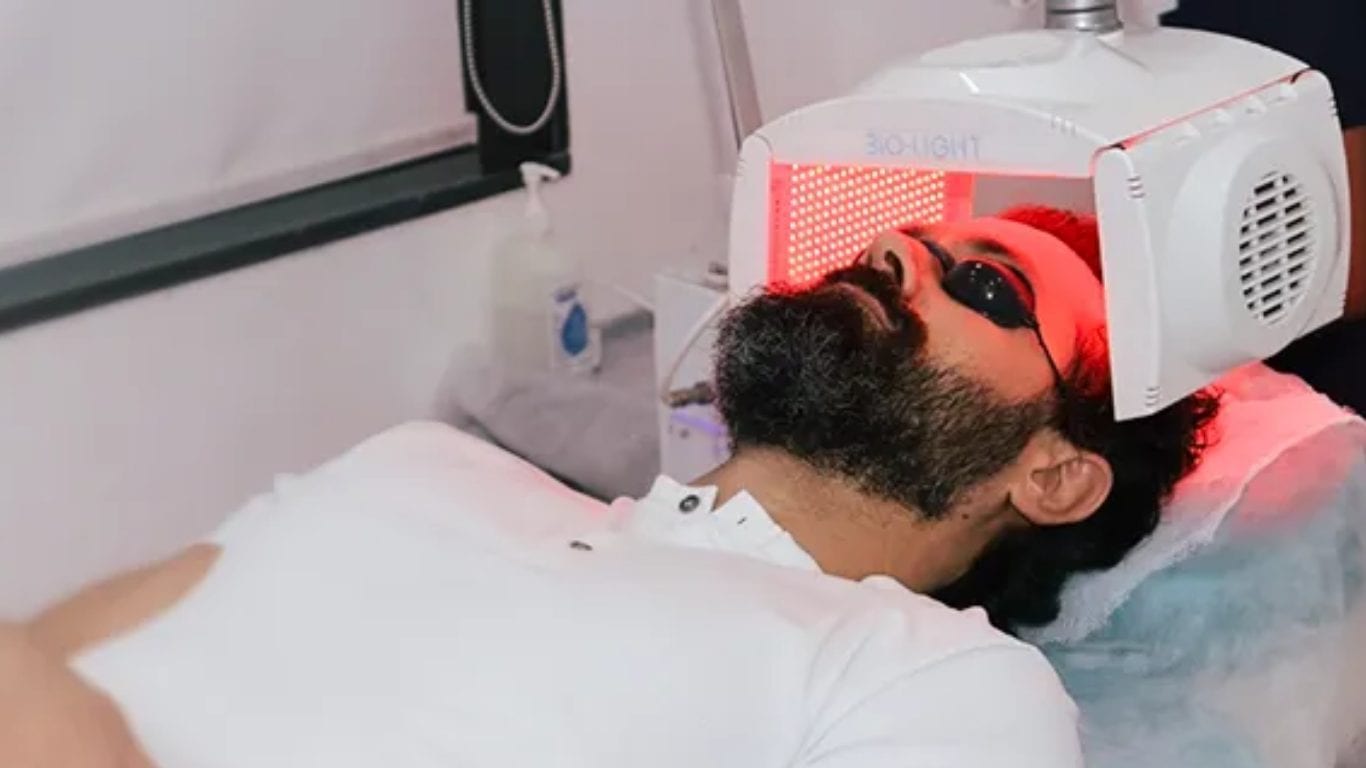
In several studies, microneedling combined with minoxidil has given better results than minoxidil alone, and it's among the better documented add-ons. Laser and red light therapy (LLLT) is painless and has almost no side effects, but the effect is usually mild.
With microneedling you roll or stamp tiny needles over the scalp, creating very small punctures. The skin responds with a wound-healing reaction that releases growth factors, and minoxidil applied afterwards may penetrate better. In a 2013 randomised trial with 100 men, weekly needling on top of 5 percent minoxidil gave clearly more hairs after 12 weeks than minoxidil alone. Safety depends on getting the needle depth, technique and hygiene right. The details are in the guide to microneedling.
LLLT, low-level laser therapy with red light, is delivered with a helmet, comb or panel and is meant to boost energy production in the follicles. It's best documented as support for other treatment, not as a treatment on its own. Both methods are most useful once the foundation of well-documented medicine is in place, never as a replacement.
What can lifestyle and diet do for your hair?
No lifestyle change will stop hereditary hair loss on its own, but you can remove stressors that make it worse. The most important steps are correcting confirmed deficiencies, eating enough protein, stopping smoking, taking stress and sleep seriously and being gentle with your hair.
This matters most with diffuse hair loss, where there is often another cause underneath. Ask your doctor to check your iron stores (ferritin), thyroid and vitamin D, and only take supplements for what is actually low. Without a confirmed deficiency, supplements do nothing for your hair. A hair is made almost entirely of keratin, a protein, so crash diets are a bad idea. Smoking weakens the blood supply to the follicles, and long-term stress can keep a period of shedding going. Stay away from tight hairstyles, lots of heat and harsh chemical treatments. The full overview of what makes hair fall out is in the guide to the causes of hair loss.
Has a clinic offered you a vitamin treatment for the scalp? We've written a separate review of SVP (Scalp Vitamin Protocol).

How do you best combine the treatments?
For hereditary hair loss, a combination usually works best: finasteride slows the cause, minoxidil stimulates growth, and ketoconazole, microneedling or PRP can be added. The two main medicines work in different ways and reinforce each other.
Because they tackle the problem from different sides, finasteride and minoxidil together achieve more than either alone. The add-ons come afterwards, and only once the foundation is in place.
The order matters. First the foundation of documented medicine, then the affordable, sensible add-ons, and right at the end the expensive extras. The classic mistake is to turn the staircase upside down and spend thousands on injections such as PRP and mesotherapy without having tried finasteride. More products don't automatically mean more hair either. A few well-documented measures, used consistently, beat a shelf full of random products.
What can you realistically achieve with medicine, and how long does it take?
Realistic usually means the loss stops and some of the density comes back, not that you get the hairline you had as a teenager. The effect builds up over the first year, typically between 6 and 12 months, and only lasts as long as you keep going.
Patience is as much a part of the treatment as the medicine itself. Little visible happens in the first months, and that's when many people give up.
If the loss has already gone a long way, medicine can protect what's left, while a hair transplant rebuilds the areas where the follicles are gone. See them as two tools in the same plan, not as competitors. The most lasting result comes when a well-performed operation is followed by ongoing medical maintenance.
How do you make a plan that actually works?
Build on finasteride and minoxidil, which have the best evidence, start early, and give the plan between 6 and 12 months together with a doctor before you judge it. Everything else is an add-on.
One medicine slows the cause, the other gives growth a push, and ketoconazole, PRP or microneedling can go on top. What everything that works has in common is that it has to be started early and used over time, and that it's better at keeping hair than at getting new hair.
Decide on the plan with your doctor, track your progress with photos in the same light every month, and see medicine and surgery as two tools that complement each other. With realistic expectations, you'll keep far more hair than if you wait. This article provides general information and does not replace a medical assessment of you.
Go deeper into this chapter
- Minoxidil in practice: foam, tablets and the first weeks of extra shedding
- Finasteride for hair loss: how the tablet works
- Combination treatment for hair loss: how to build a plan that holds up
- Microneedling for hair loss: when the roller actually makes a difference
- PRP vs PRF: is the newer blood treatment worth the extra cost?
Frequently asked questions
Can hereditary hair loss be stopped completely without surgery?
For many people, yes, or at least almost. Finasteride and minoxidil together can stop the loss or slow it sharply when you start early. The medicines are better at keeping hair than at bringing back what has been lost, and the effect only lasts as long as you use them.
What's the difference between minoxidil and finasteride?
They tackle the problem from different sides. Finasteride reduces DHT, the hormone that shrinks the follicles, and so addresses the cause. Minoxidil gives hairs a longer growth period and more blood around the follicle, and eases the effects. That's why they're often combined.
How long does it take for treatment to work?
Most people see a difference after 3 to 6 months, and the full effect can take up to 12 months. At first, minoxidil can increase shedding. This passes, and it means new hairs are pushing the old ones out.
What happens when I stop taking the medicines?
The effect disappears. If you stop minoxidil or finasteride, the hereditary loss usually picks up again within 6 to 12 months, and the hair the treatment kept is lost bit by bit.
Can PRP replace the medicines?
Not based on what we know today. PRP looks promising, but the research is thinner and more mixed than for the two main medicines, and clinics use different protocols. Use it as an add-on instead, for example to help healing after a transplant.
Does the same apply to women?
Not quite. Women can use minoxidil, and the evidence for the solution in women is good. Finasteride, however, should not be used by women of childbearing age, since it can harm a male foetus. Women with hair loss should have their iron, thyroid and hormones checked, and treatment should be done together with a doctor.
Should I use medicine after a hair transplant?
Often, yes. The operation moves hair, but your own hair around it keeps falling out if nothing slows it down. Medicine protects the hairs that weren't moved, so the result looks natural and dense for many years to come.
If your hair loss has only just started, a procedure may not be the right step yet. The medical team at the clinic at the top of our ranking can look at your photos and tell you honestly whether to wait, start with treatment or consider more.
Goes to the clinic at the top of our ranking.