Expert-reviewed · Data from around the world · Clinic prices updated yearly

Hair loss and hair transplants, explained from the ground up

Why hair disappears, what medication can actually do, and how to tell a good clinic from a bad one. Written for anyone who wants to understand before deciding.

Start with a free hair analysis.

Free hair analysis, no obligation

See the full top 50 list

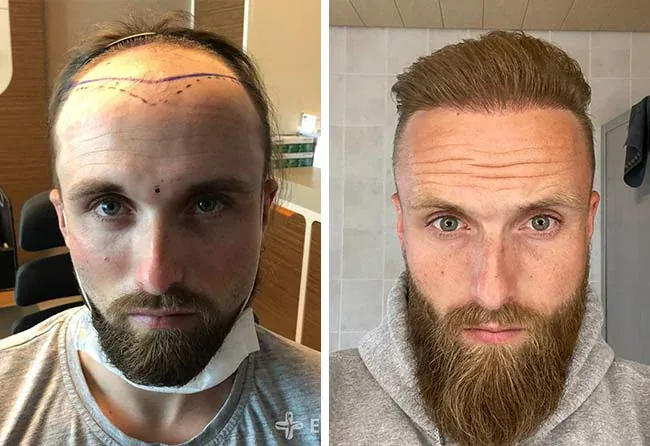
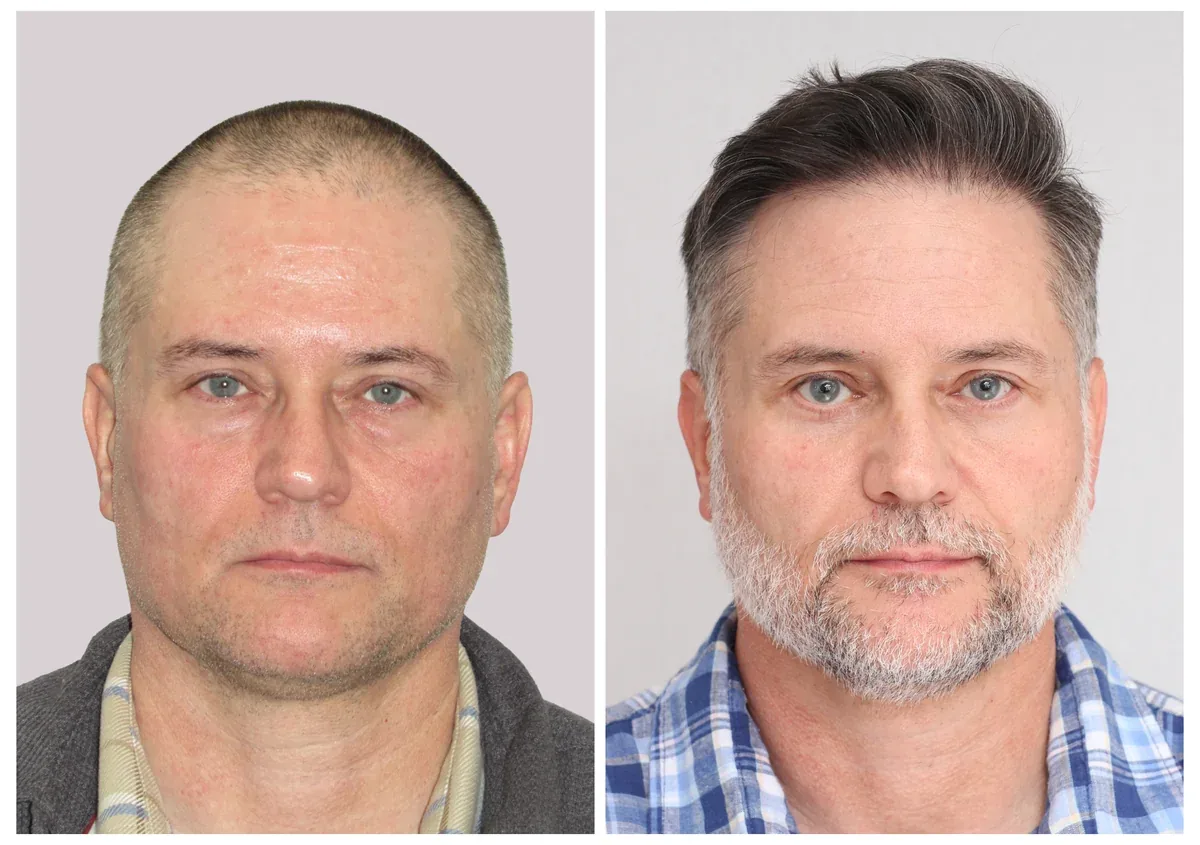
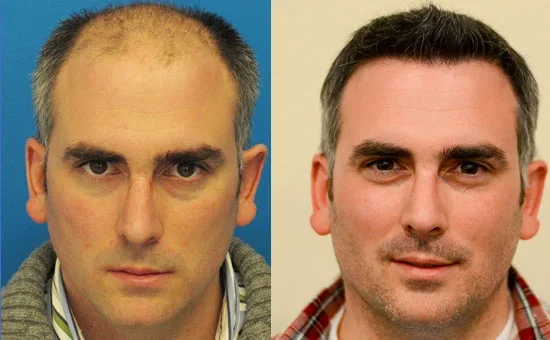
Before and after

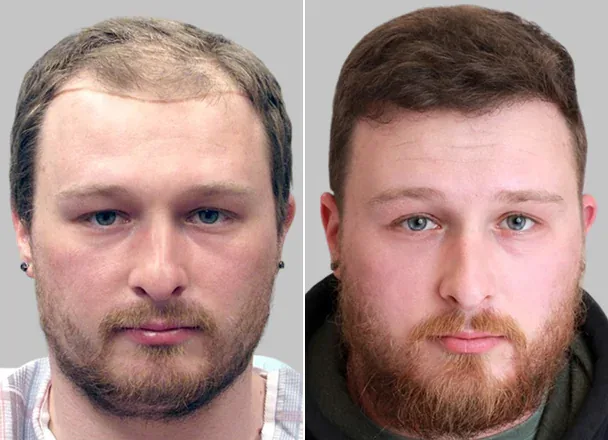
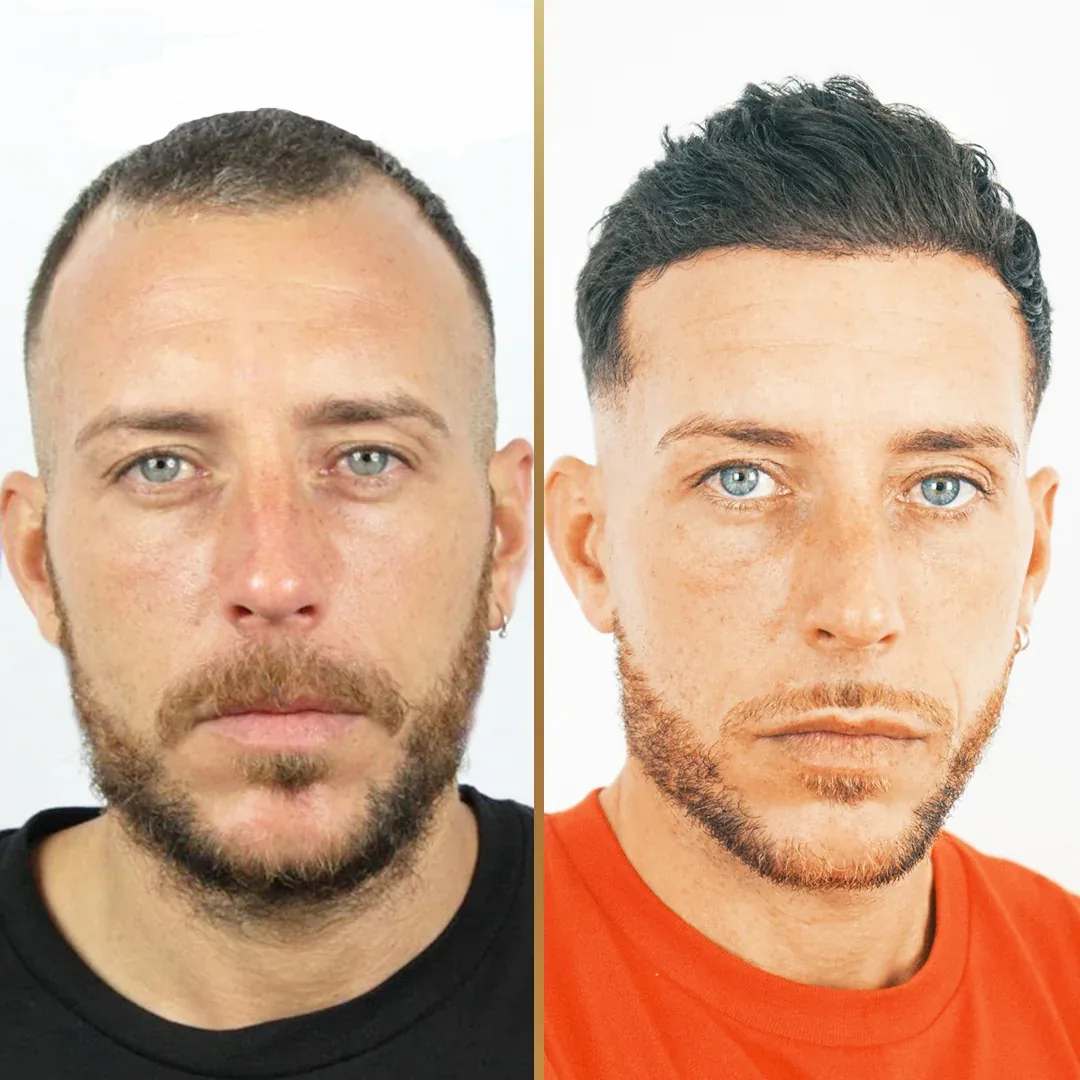
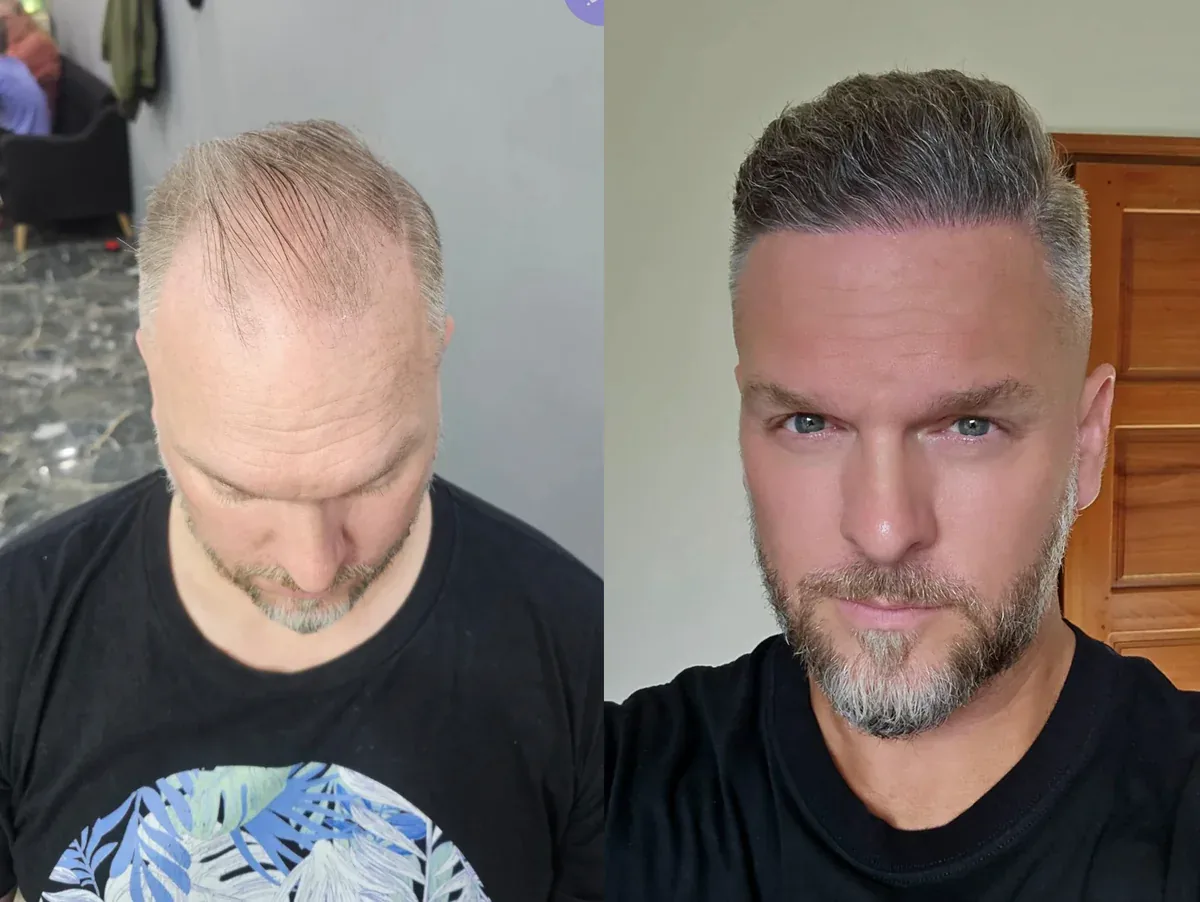
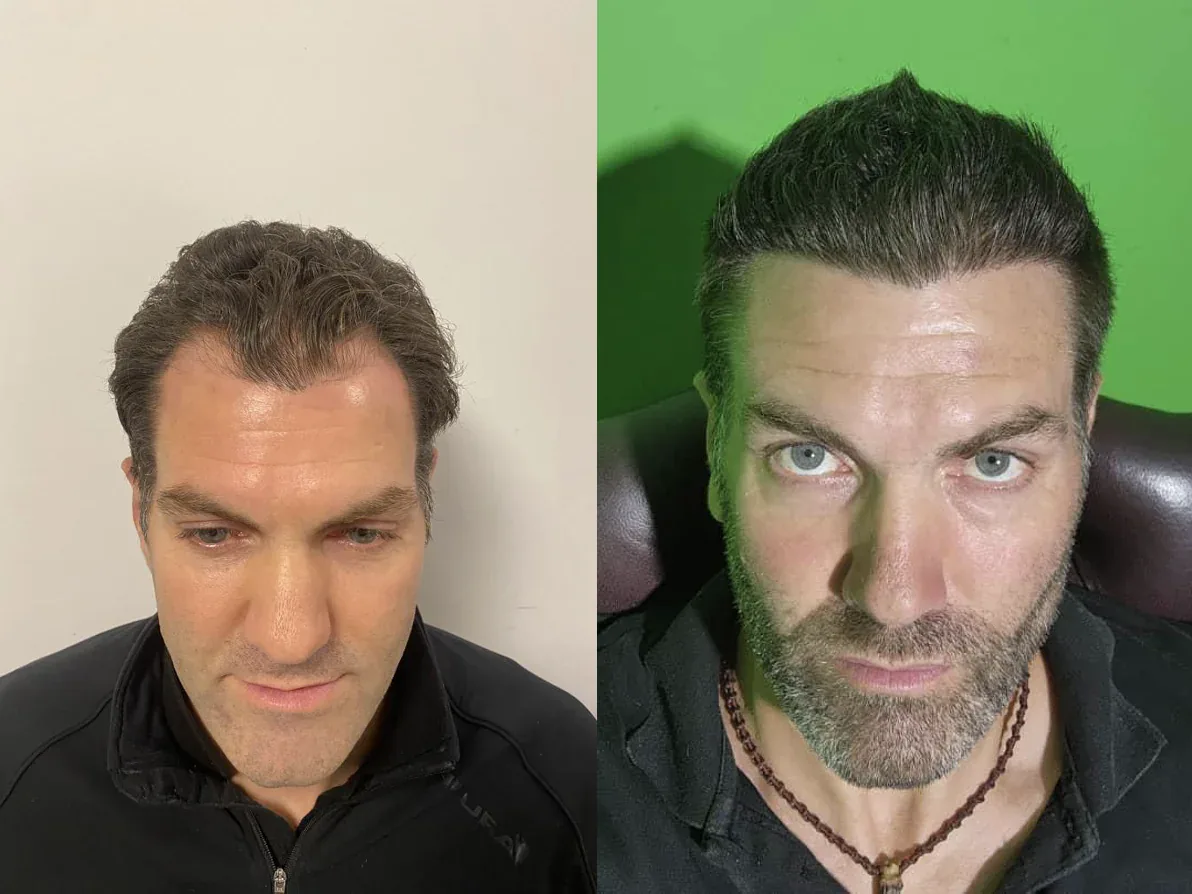
What real results look like

Cases with different methods and different graft counts, so you get a realistic picture of what's possible.

See all the cases

The graft count is a rounded estimate we made from the photos, and the method is our assessment of what the photos show.

The knowledge guide

Start here: six chapters on hair loss and hair transplants

The chapters follow the order in which the questions come up. Read them from start to finish, or jump to whatever you're wondering about right now.

  1. Chapter 1: Causes of hair loss

    Hereditary hair loss, stress, deficiencies and illness, and how to tell them apart.

    Read the full chapter: Causes of hair loss
  2. Chapter 2: Treatment without surgery

    Finasteride, minoxidil, PRP and laser, with what is documented and what isn't.

    Read the full chapter: Treatment without surgery
  3. Chapter 3: Hair transplant methods

    FUE, DHI, FUT and sapphire side by side: scarring, healing and who each method suits.

    Read the full chapter: Hair transplant methods
  4. Chapter 4: How to choose a clinic

    Eight criteria, red flags and the questions to ask before you book.

    Read the full chapter: How to choose a clinic
  5. Chapter 5: After surgery

    Sleep, hair washing, scabs and shock loss. What counts in the first weeks.

    Read the full chapter: After surgery
  6. Chapter 6: Does the result last?

    What happens to the transplanted hair, and to the rest of your hair, as the years go by?

    Read the full chapter: Does the result last?

Open the full knowledge guide

Around the world

World top 50: what quality costs

The top 50 list doesn't award points. Every clinic must meet the same minimum requirements, including approval from the health authorities, named surgeons who are ISHRS members and a cap on patients per day. The order is the price for 4,500 grafts, cheapest first. See the minimum requirements.

Before and afterWhat real results look likeSee all the cases Free hair assessmentWhere does your hair really stand?Get a free hair assessment
Price

How much should you expect to pay?

The price depends on the number of grafts, the method and the clinic. The table below is a rough starting point. Always ask for a specific assessment of your own head.

Guide prices: Turkey, the Nordics and the rest of the West

CountryApproximate price
Turkey€2,500 to 5,500
Norway and Denmark€8,000 to 15,000 (full session, 4,000 to 4,500 grafts)
Finland€7,000 to 13,000
Sweden€7,000 to 14,000
USA€14,000 to 25,000
Australia€9,000 to 20,000
Canada€7,000 to 15,000
Mexico€6,000 to 12,000

The prices cover a complete treatment and vary with the number of grafts, the method and the clinic. The big difference is why many people travel abroad, but let documented quality decide, not price alone. Some clinics abroad include treatment, hotel and transport in the price, others only the procedure itself. So check exactly what's included before you compare.

See all prices

We don't list fixed prices, because the range between clinics and countries is too wide. Ask for a specific, no-obligation assessment based on your own situation.

Price is only part of the equation. Here's how to weigh up the rest, in the guide to choosing a clinic.

Free hair analysis, no obligation

  1. 1Start
  2. 2Details
  3. 3Done

What happens after you send your photos?

Free and with no obligation. You decide how far you want to go.

  1. Step 1 of 4: A Scandinavian-speaking medical team looks at your photos

    The clinic's medical team assesses your hair loss, hair type and scalp, and whether a procedure is right for you at all at this point.

  2. Step 2 of 4: The clinic gets in touch with you

    On WhatsApp, or however you prefer. During the day you'll usually hear from them within an hour.

  3. Step 3 of 4: You get a plan made for you

    The hair analysis, a suggested method and number of grafts, what the process involves and what it costs. By message, by email or on a video call.

  4. Step 4 of 4: You decide, at your own pace

    Ask every question you have and take the time you need. Flights and dates only come into it once you've said yes.

3 photos: from the front, from above and from the back (crown). Good daylight, dry hair.

Free and with no obligation. The photos go straight to the clinic and are only used to assess your case. If you change your mind, just email us and we'll ask the clinic to delete them.

The clinic may be located outside the EEA. Read more in our privacy policy.

Myths vs facts

Hair loss and transplant claims that don't hold up, and what's true

There are plenty of false claims about FUE and DHI, about finasteride and about prices. Here we set each myth against what we actually know, so you can decide on the right basis.

Myth

You can always tell when someone has had a hair transplant.

Fact

With modern FUE and an experienced surgeon, the result can look completely natural. The hairline is designed with small irregularities, and each hair is placed at the right angle.

Read more
Myth

Only men can have a hair transplant.

Fact

Women can have transplants too, if the pattern is stable and the donor area isn't affected. A thorough assessment must always come first.

Read more
Myth

After a few years the new hair falls out again.

Fact

The hair is moved from the back of the head, where the follicles resist DHT. That's why transplanted hairs are, in principle, there to stay.

Read more
Myth

Once you've had a transplant, the hair loss stops.

Fact

No. The procedure moves hair, but hereditary loss continues in the hair you already had. That's why finasteride or minoxidil is often recommended alongside it.

Read more
Myth

DHI is a completely different operation from FUE.

Fact

FUE is about how the grafts are removed, DHI about how they're implanted. Most DHI procedures use FUE for the extraction itself.

Read more
Myth

The more grafts, the better the result.

Fact

How many grafts survive, and how naturally they're placed, matters more than the number. Over-harvesting leads to poorer survival and can damage the donor area.

Read more
Myth

A hair transplant is terribly painful.

Fact

You're under local anaesthetic, and you barely feel the procedure itself. Most people are just a little tender for a few days afterwards.

Read more
Myth

Hereditary and temporary hair loss can't be told apart.

Fact

Hereditary loss comes on gradually and follows a pattern. Temporary loss, such as telogen effluvium, comes suddenly and is spread out. A specialist can tell the difference with trichoscopy.

Read more
Myth

Baldness is always inherited from your mother's father.

Fact

The predisposition can come from both your mother's and your father's side. It's the sum of your genes that decides the risk, not just your maternal grandfather.

Read more
Myth

Hats and caps make you go bald.

Fact

Headwear doesn't cause hair loss. An ordinary hat or cap doesn't affect the hair follicles.

Read more
Myth

Washing your hair often makes it fall out.

Fact

Frequent washing doesn't cause hereditary hair loss. The hairs in the drain were already in the resting phase and would have fallen out anyway.

Read more
Myth

Sex and masturbation make your hair go faster.

Fact

Research has found no link between your sex life and hereditary hair loss. The myth is stubborn, but it has no basis.

Read more

If you want to see what really sets the methods apart, you'll find it in the overview of hair transplant methods.

Evidence before marketing

Research and rationale

Our editorial team's own studies and direct answers to what patients actually ask. Each article says what the evidence supports, and where it stops.

Research

Hyperbaric oxygen

HBOT after FUE: cohort study

IdealofMeD Research Academy

Is a hyperbaric oxygen chamber worth the money after a hair transplant, or is it a pricey extra? Among 220 FUE patients, HBOT went hand in hand with patients feeling they healed faster, had less pain, slept better and lost the redness sooner. The pattern held both when patients answered for themselves and when blinded doctors assessed the photos.

Medication

Vitamins and hair

IdealofMeD Research Academy

Search for hair vitamins and you hit a wall of products that all claim to be the answer. The research team set the marketing aside and instead looked at more than 100 transplant patients taking vitamins, sorted by what their blood tests showed. Vitamin D was the nutrient that stood out most often. Biotin is far more popular than the research justifies, and there is no single vitamin everyone should take routinely.

Long-term results

Stress and hair loss

IdealofMeD Research Academy

The literature is clear on one point: a major strain can trigger certain types of hair loss, above all telogen effluvium. For male hereditary hair loss, the evidence is far thinner. There, stress seems to speed up hair loss that your genes have already set in motion, rather than cause it on its own.

Background

Medication

Low-dose minoxidil tablets

Low-dose oral minoxidil is used off-label for hair loss, and the research behind it is growing but still uneven. Observational data suggest hair density rises with the dose. A large multicentre safety study found mostly cosmetic side effects and few people stopping. In a 2024 randomised trial, the tablet did not beat the solution on the primary outcome. The same year brought an international consensus with recommended starting doses, contraindications and follow-up.

FUE

Graft survival and time out of body

A follicle being moved can lie outside the body for hours without blood, and the longer it waits, the fewer survive. The most quoted figures come from a small piece of work done before FUE existed and amount to a loss of roughly 1 % an hour. Newer work suggests that drying out and rough handling are more dangerous than time itself, and a small 2021 comparison found better survival at room temperature than with chilling. The evidence is thinner and older than the confident percentages in clinic marketing would have you believe.

The studies underpin the chapters in the knowledge guide.

Short answers

What people ask most often

Does a hair transplant hurt?

You're given a local anaesthetic, so most people feel little more than the injections at the start. The operation itself is largely painless.

When is the result finished?

After 10 to 12 months you'll see 80 to 90 % of the result. The crown can need up to 15 months before the density is in place.

Does the new hair last?

Hair from the donor area usually resists DHT and stays put. You should still protect the hair you already have with medication.

How many grafts do I need?

It depends on your Norwood stage. At Norwood 3 the need is often 1,500 to 2,500, while at Norwood 6 to 7 it can exceed 6,000.

Can a woman have a hair transplant?

Yes, if the pattern is suitable and the donor area is stable. But the cause of the hair loss must be investigated thoroughly first.

Ask the clinic