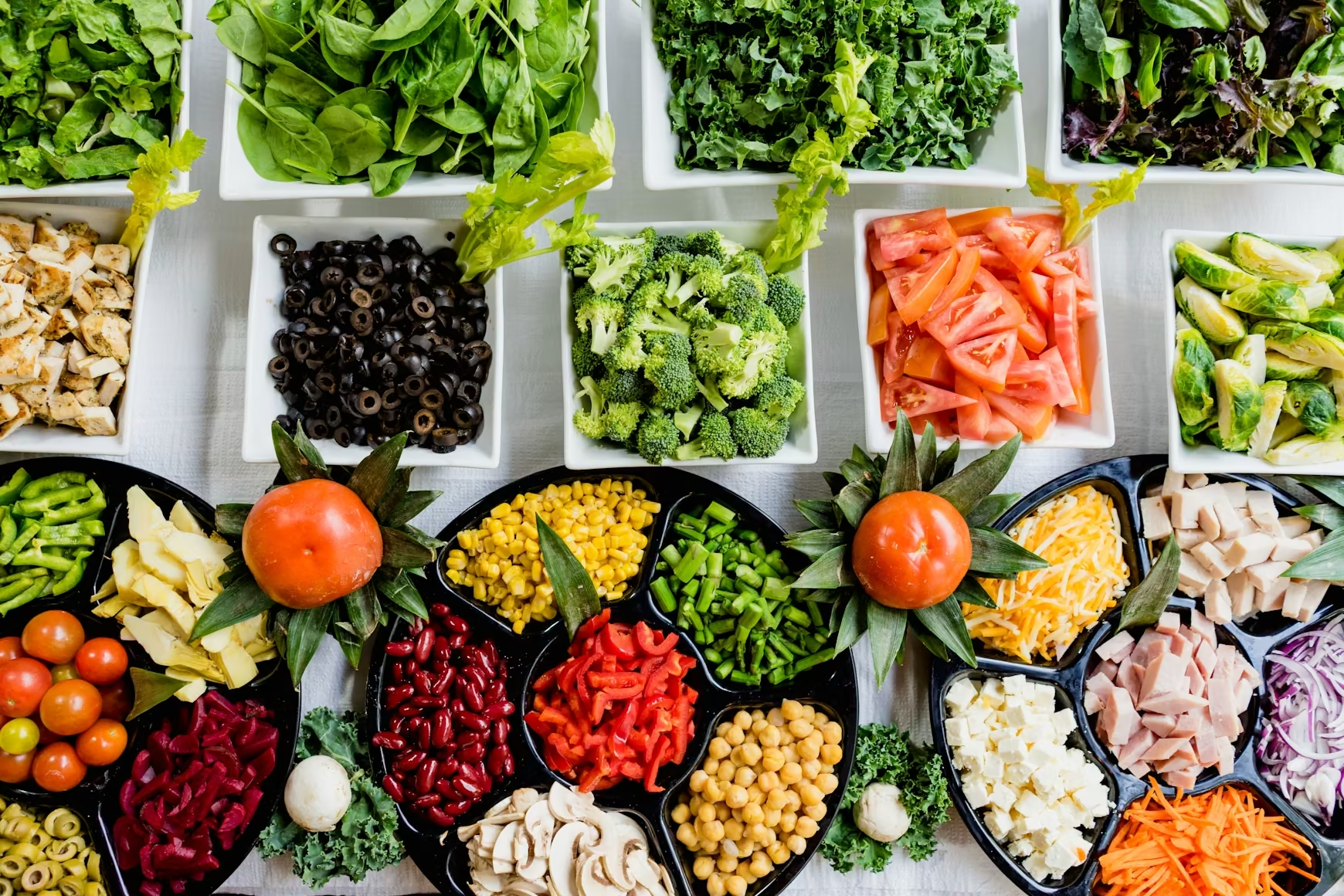
Can diet stop hair loss? What food can and can't do
No food stops hereditary hair loss. But a deficiency can make it worse, and a crash diet can trigger fresh shedding. Here's how to eat for your hair.
Can you eat your way to less hair loss?
Only if the loss is caused by a deficiency. Hereditary hair loss, driven by DHT, can't be stopped with food. If your temples are receding and your crown is thinning in the classic Norwood pattern, the cause is that your hair follicles are genetically sensitive to DHT. You can't eat your way out of that.
What food can do is correct a loss caused by too little of something, and otherwise give your hair what it needs to grow well. Hereditary hair loss needs medical treatment, such as finasteride and minoxidil.
What is hair made of, and what does it need?
A strand of hair is mainly protein, specifically keratin. If you get too little protein, your body prioritises the organs that keep you alive, and hair growth goes to the back of the queue. Among the deficiencies most often linked to increased hair loss are low iron (measured as ferritin), low vitamin D and too little zinc.
Most people get enough from an ordinary, varied diet with fish or meat, eggs, beans and lentils, vegetables and wholegrains. So the goal is to avoid running short of anything. You can't push your hair beyond normal with extra nutrients.
Where do you find what your hair needs?
- Protein from fish, meat, eggs, dairy, beans and lentils. This is what hair itself is built from.
- Iron from red meat, offal, dark green leaves and lentils. Especially important if you're a woman or don't eat meat.
- Vitamin D from sunlight, eggs and oily fish. Many Norwegians are short of it in winter.
- Zinc from shellfish, meat and seeds. Needed when the body repairs tissue.
- Omega-3 from oily fish such as salmon, mackerel and herring. Contributes to a healthy scalp.
Which eating habits can trigger hair loss?
Some habits can simply set off hair loss. Strict diets and rapid weight loss often trigger telogen effluvium. That's sudden shedding spread over the whole scalp, and it tends to appear 2 to 3 months after the diet. Extremely monotonous eating, long fasting periods and 'detox' plans with no evidence behind them can do the same. Read more about telogen effluvium.
Supplements can backfire too. Large amounts of selenium or vitamin A are linked to increased hair loss. Extra doesn't mean extra hair.
Is there a superfood for hair?
No. The internet is full of lists of foods that supposedly give you 'thicker hair', but avocado, coconut oil and exotic berries do nothing extra for your hair as long as you aren't already deficient in something. Once your needs are met, your body has no way of sending extra nutrients to the hair follicles.
What works is undramatic: a varied diet with no deficiencies and enough protein. Superfoods sell cookbooks and powders. Balance gives your hair what it needs.
Should you have a blood test before changing your diet?
Yes. Before you turn your eating habits upside down or buy expensive tubs, ask your GP to check your ferritin, vitamin D and thyroid function. Then you'll know whether your body is actually short of anything. Often it isn't, and then the explanation for your hair loss has to be looked for elsewhere.
If you're unsure what kind of hair loss you have, the overview of types of hair loss is a good place to start.
What should you do now?
Write down what you ate yesterday and today, and look for gaps. Do you get protein with every meal? Do you eat oily fish at least once a week? Then book the blood test. If everything is normal, leave your diet as it is and talk to your doctor about treatment that works on hereditary hair loss.
If your hair loss has only just started, a procedure may not be the right step yet. The medical team at the clinic at the top of our ranking can look at your photos and tell you honestly whether to wait, start with treatment or consider more.
Goes to the clinic at the top of our ranking.