Hair growth products: what works, and what's a waste of money?
The shelves are packed with shampoos, serums and hair vitamins, but very little of it has evidence behind it. Here's the order in which to spend your money.
Which hair growth products actually have proven effects?
For hereditary hair loss, only two have strong evidence: minoxidil, which lengthens the hair's growth phase, and finasteride, which reduces DHT, the hormone behind hereditary hair loss. Everything else has far less research to show for itself.
Two add-ons have some support. Microneedling has reasonably good evidence as a supplement, especially alongside minoxidil. Ketoconazole shampoo can calm inflammation in the scalp. In practice, that's the whole list of what deserves your money first.
Why do so many products promise more hair?
Because it sells. Hair growth is an industry worth billions, where almost every bottle, jar and gadget promises fuller hair. Very few of them can point to real evidence. Glossy before and after photos and persuasive advertising copy aren't the same as studies.
Do hair vitamins help?
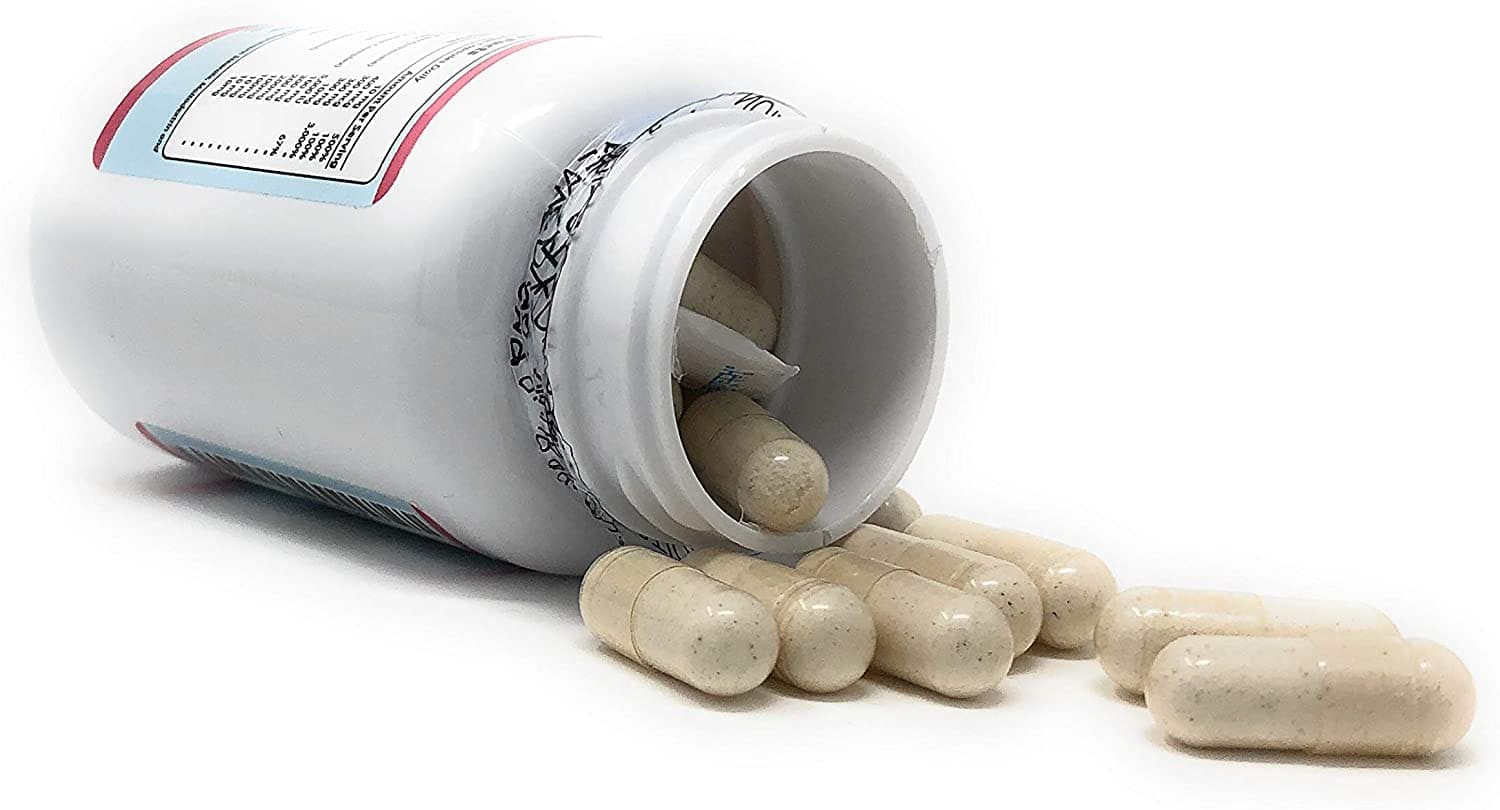
Only if you're lacking something. Biotin, collagen and the like do little for the hair of people who aren't deficient, and then it's mostly money down the drain. Large doses of vitamins don't make hair better, and in some cases they can do harm.
Get your ferritin (iron stores), vitamin D and thyroid function checked instead. All three can affect your hair. Have a blood test, treat whatever turns out to be low, and leave the rest of the shelf alone. There's more on supplements in do supplements work for hair loss.
Can a shampoo or serum stop hair loss?
No shampoo stops hereditary hair loss. It's rinsed out long before it has time to work, and the problem lies in the hormones. One exception is worth knowing about: ketoconazole shampoo calms inflammation, counteracts androgens slightly and treats dandruff at the same time. Read more in ketoconazole shampoo for hair loss.
Caffeine shampoo has promising lab results, but since it's rinsed off after a short time, it's uncertain whether it does anything in practice, see caffeine shampoo. For rosemary oil and various serums there are some interesting findings, but little solid research. If you want to try them, they're mild add-ons. Just don't expect much.
In what order should you spend your money?
Build from the bottom up. First the evidence-based foundation: minoxidil, and finasteride if your doctor thinks it suits you. Then the affordable add-ons, microneedling and ketoconazole shampoo. Expensive treatments like PRP come last.
The most common mistake is doing the opposite: spending large sums on exclusive bottles and treatment courses while skipping what works. In the right order, every krone does more for your head. How the treatments work together is explained in combining hair loss medicines.
What should you do before buying your next product?
Go through the bathroom and lay out everything you use for hair loss today. Put a tick next to what's on the list of proven treatments above, and a question mark next to the rest. Book blood tests with your GP before buying more vitamins, and talk to your doctor about minoxidil or finasteride if your hair loss is hereditary. Save the rest of your money until you know what the foundation does for you.
This article is general information and doesn't replace a medical assessment of you.
If your hair loss has only just started, a procedure may not be the right step yet. The medical team at the clinic at the top of our ranking can look at your photos and tell you honestly whether to wait, start with treatment or consider more.
Goes to the clinic at the top of our ranking.