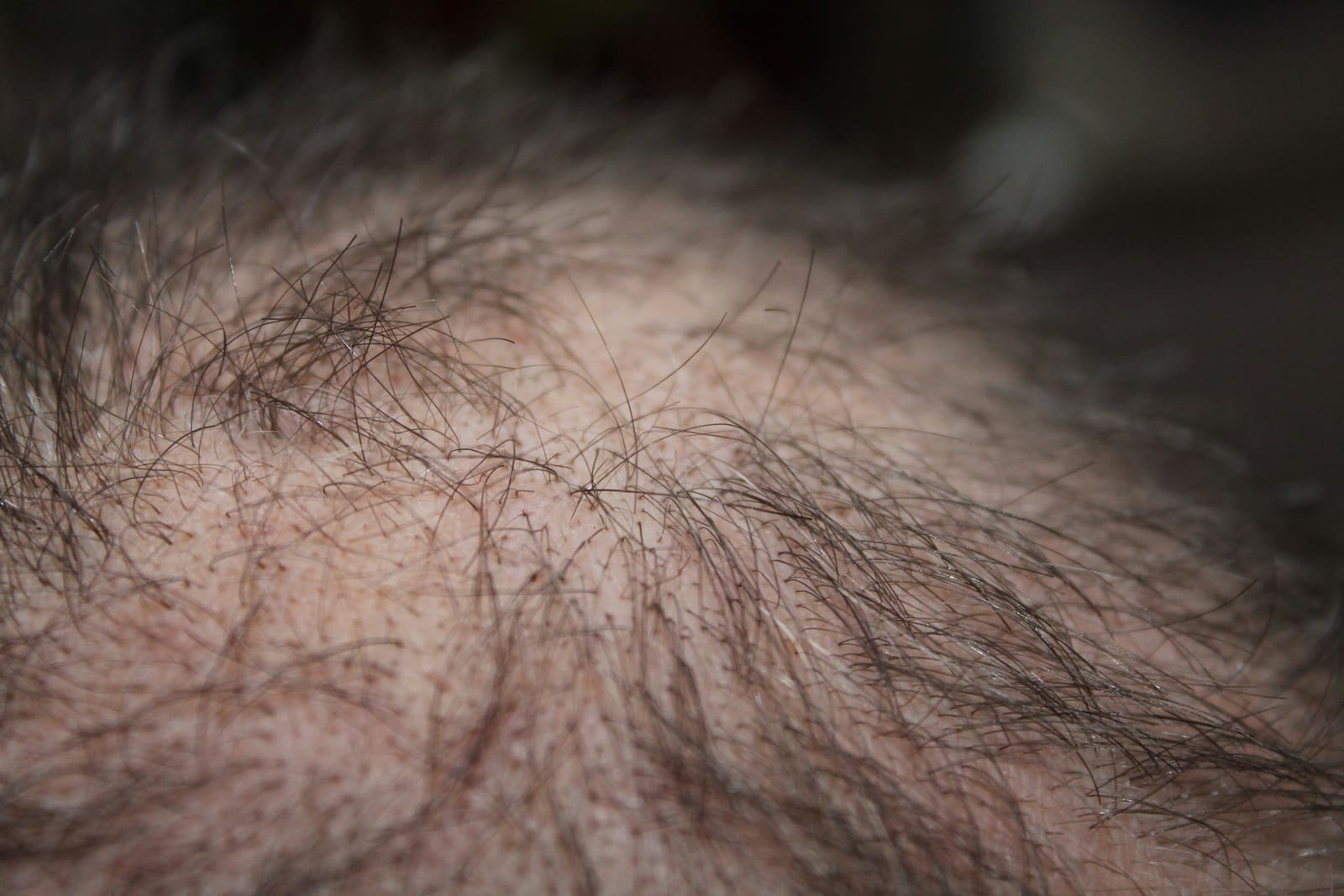
Can COVID cause hair loss, and how long does it last?
A few months after COVID, hair started coming out in large amounts. It frightened a lot of people. Here is the explanation, and why the hair usually grows back.
You had COVID a few months ago and now your hair is falling out. Are the two linked?
Very likely. Many people noticed clear hair loss in the months after being ill with COVID-19, and for some the amount was so large that it scared them. The phenomenon is well known. And for the vast majority, it passes.
What surprises people is the timing. You're well again and may have forgotten all about the illness when your hair suddenly starts coming out. That delay is typical, and it's the key to understanding what's going on.
What happens in the hair follicles?
They take a break at the same time. The condition is called telogen effluvium. A heavy strain on the body, such as a high fever, a serious infection or severe stress, causes an unusually large number of follicles to end their growth phase and go into rest at the same time.
The hairs that have gone into rest stay put for a while. Around two to three months later they let go, many at once. That's why the loss comes suddenly and spreads across the whole scalp instead of following a pattern. You can read more about the mechanism in the article on telogen effluvium.
Why did COVID affect hair so often?
Because the illness bundled several known triggers together. Many people had a high fever and a severe infection, along with considerable physical and mental strain. Each of these can set off telogen effluvium on its own.
So the problem isn't in the hair itself. The shedding is an echo of what your body has been through. How stress alone can cause the same kind of shedding is covered in the article on stress and hair loss.
Will your hair grow back after COVID?
Yes, almost always. Once the strain is over, the follicles return to their normal rhythm, and new hair usually comes in without help within six to twelve months. The follicles aren't destroyed.
Active treatment is rarely needed. Nor is a hair transplant relevant, whether as a fix or as a step along the way, because the loss isn't permanent.
What can you do while you wait?
Above all, wait. Patience is the most important treatment. You can still give your hair a helping hand.
Eat a varied diet and eat enough. Get checked for any deficiency, such as iron or vitamin D. Deficiencies like these can make the shedding last longer, and they're easy to correct. Read more in the articles on iron deficiency and hair loss and supplements for hair loss.
Be gentle with your hair during this period. A mild shampoo and careful brushing are enough. And don't panic-buy expensive treatments. The shedding stops on its own, whether you've spent money or not.
When should you see a doctor?
When the shedding hasn't stopped after around twelve months, when the amount is extreme, or when round bald patches or other things that don't fit the picture above appear. A doctor can then check whether something else is behind it, perhaps an additional illness that should be treated. The overview of causes of hair loss gives a broader picture of what it might be.
What's the next step?
Note roughly when you were ill and when the shedding started. Take a photo of your hairline and crown today, and one every month from now on. If you see no improvement after a year, or bald patches appear, take the photos and dates to your GP.
This article is general information and does not replace a medical assessment of you.
If your hair loss has only just started, a procedure may not be the right step yet. The medical team at the clinic at the top of our ranking can look at your photos and tell you honestly whether to wait, start with treatment or consider more.
Goes to the clinic at the top of our ranking.