Does flying make swelling worse after a hair transplant?
In a pressurised cabin, altitude barely affects swelling. The swelling you notice while travelling is the usual peak on days two to four, which just happens to coincide with the trip home.
In a pressurised cabin, altitude barely affects swelling. The swelling you notice while travelling is the usual peak on days two to four, which just happens to coincide with the trip home. A longer stay high in the mountains is a different question, and one to raise with your surgeon.
Is it the flight or the timing that causes the swelling?
Usually the timing. People blame the plane because the swelling and the journey come together, but swelling appears around days two to four even in people who stay at home. And those are exactly the days when people who had the procedure abroad are on their way home. The calendar explains the swelling better than the plane does.
What does cabin pressure do to a healing scalp?
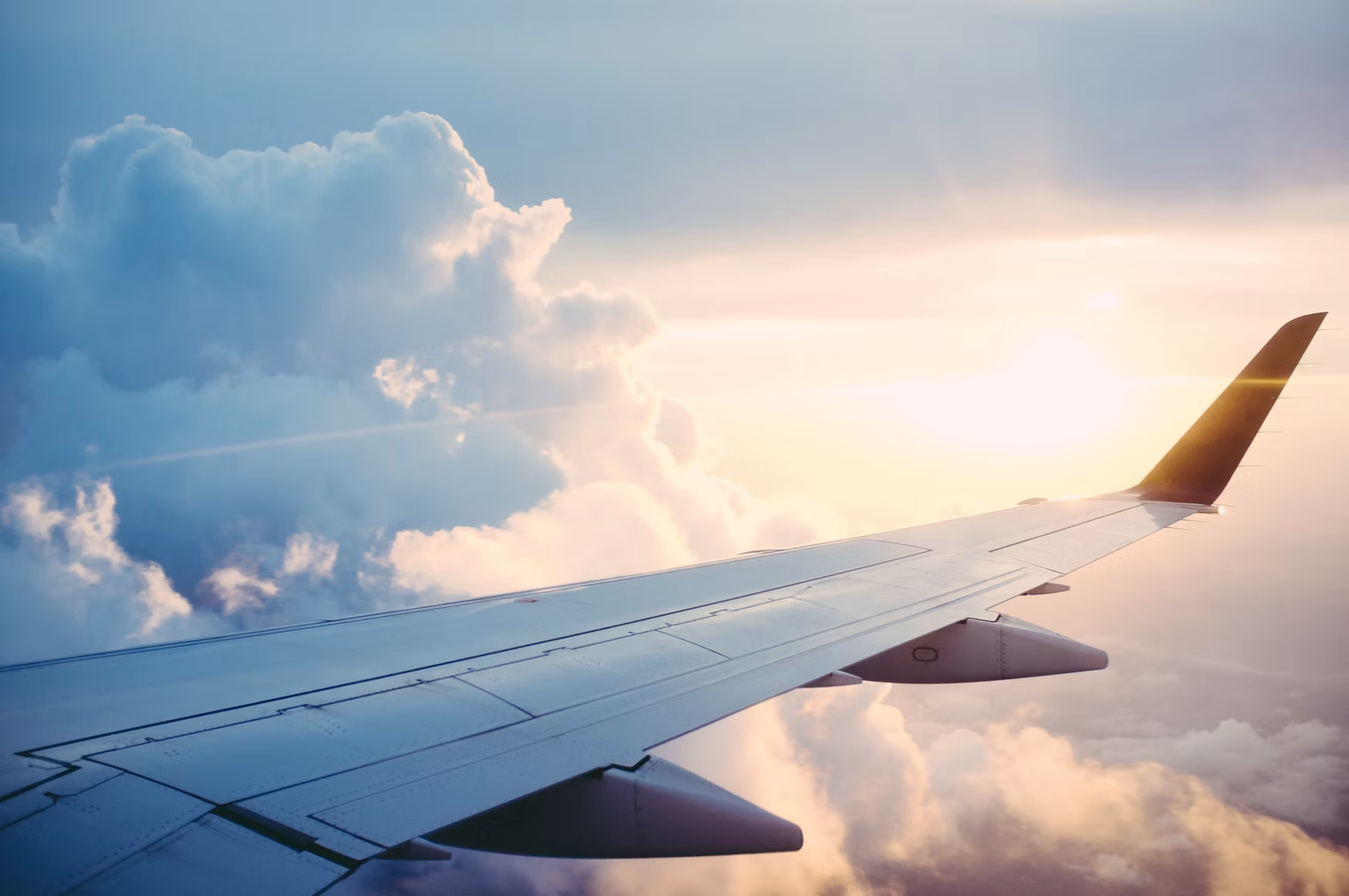
Cabin pressure in a passenger aircraft corresponds to a moderate altitude, not the altitude the plane is actually flying at. That small drop in pressure doesn't push noticeably more fluid into the tissue. The dry air is what affects you, and it takes its toll on the scabs and your comfort, not the swelling.
Is a stay high in the mountains different from a flight?
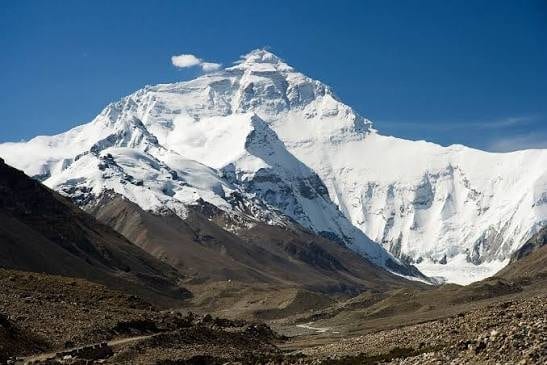
Yes. On a mountain hike or on the ski slopes you really are at altitude, whereas the cabin holds an artificial pressure. Lower oxygen, cold and dry air and strong UV radiation all affect healing skin, and the UV is what many people forget. If you have a mountain trip planned soon after the procedure, tell your surgeon.
What helps on a plane and in the mountains?
Keep your head raised when you rest. Drink enough water, and skip the alcohol on board. Use saline spray against the dry air. Put something cold on your forehead, never on the grafts. And protect your skin from the sun, which gets stronger the higher you go.
- Head raised when you rest
- Plenty of water, no alcohol on board
- Saline spray against dry air
- Cool your forehead, never the grafts
- Sun protection, because the sun is stronger at altitude
You'll find more on swelling after the procedure in the guide to aftercare.
Sources
- Romera de Blas C, Vega Díez D, Ricart Vayá JM, Gómez Zubiaur A. Complications in follicular unit excision hair transplantation: current evidence and practical approaches. Frontiers in Medicine, 2026;13:1750989. pubmed.ncbi.nlm.nih.gov/41709896
- Muhm JM, Rock PB, McMullin DL, Jones SP, Lu IL, Eilers KD, Space DR, McMullen A. Effect of aircraft-cabin altitude on passenger discomfort. The New England Journal of Medicine, 2007;357(1):18-27. pubmed.ncbi.nlm.nih.gov/17611205
This article summarises published studies and common clinical practice. It is general information, not medical advice. The instructions from your own surgical team always come first, including where they differ from what you read here.
Wondering what's possible for your hair?
Send three sharp photos of your hair, from the front, the top and the back. You'll get an honest answer on what can be done, roughly how many grafts it would take and what it costs.
- Free and with no obligation
- Photos are assessed by the clinic's medical team
- Replies usually within an hour in the daytime


A study tells you something about groups. Only a doctor who has seen your photos can say what applies to your hair. The medical team at the clinic at the top of our ranking offers a free assessment.
Goes to the clinic at the top of our ranking.