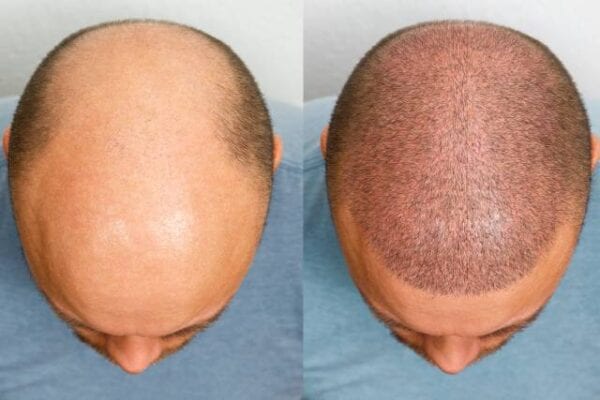
Why are the first 72 hours after a hair transplant so critical?
Your grafts sit loose for the first three days, and what you do then affects how many take root. Here's how to sleep, what to expect from the swelling and the list of things to avoid.
Why are the grafts so fragile for the first three days?
Because the grafts don't have their own blood supply yet. Until it's in place, they live on oxygen from the surrounding tissue, and pressure, rubbing or sweat can cost you grafts that never come back.
The surgeon does their part on the day of surgery. After that, it's your turn. The first 72 hours are when you have the most direct influence on the result yourself. The grafts have only just been placed and sit loosely in the skin, while your body is busy building tiny new blood vessels to reach them. Until those are ready, every graft is vulnerable.
A skilfully performed operation can give a weaker result if you're careless now. And careful aftercare helps the operation deliver everything it can. It's three days. They're worth taking seriously.
Your clinic will give you instructions tailored to your procedure. Follow them. This article explains why the advice looks the way it does.
What should you avoid?
- Your fingers. Don't touch, scratch or pick at the area where the grafts sit, however much it itches.
- Anything that presses or rubs. Keep hats, helmets and pillows away from the recipient area.
- Exertion and sweating. Exercise, heavy lifting and bending forward raise the blood pressure in your head. Put all of it on hold.
- Smoking and alcohol. Both weaken the blood supply and slow healing. Read more about smoking and alcohol after surgery.
- Sun and heat. Don't let the sun beat down on the recipient area, and stay away from saunas and other places with intense heat.
- The wrong kind of washing. Don't wash until the clinic says it's time, and never with a hard shower jet aimed straight at the grafts.
Ask yourself one question before everything you do in these days: does this protect my grafts? If you're not sure, leave it.
What happens in the first hours after you leave the clinic?
The anaesthetic is often still partly working, and the area where the grafts were placed is tender and may ooze a little. From the very first minute, three things apply. Don't touch it. Don't let anything come into contact with the grafts, whether hands, a hat or a pillow. And keep your head raised. Many clinics send you home with a headband to steer swelling away from your eyes.
When the anaesthetic wears off, many people feel the skin tighten and ache. That's common, and you take painkillers as the clinic has prescribed. A little oozing is normal too.
For the rest of the day, you do nothing. Keep water, food, your phone and a charger within reach, so you don't have to get up and stretch for things.
How should you sleep for the first few nights?
On your back, with your upper body and head raised to around 45 degrees. This reduces swelling and stops the grafts rubbing against the pillow while you sleep.
Sleep matters more than many people think. Stack a couple of pillows, or use a neck pillow, so your head lies at an angle of about 45 degrees. That does two things: the swelling goes down, and you avoid rubbing the fragile grafts against the pillow without noticing. A neck pillow of the kind people use on planes makes it easier to keep the back of your head clear of the pillow.
Don't sleep on your stomach or your side. The recipient area could then touch the bedding. It feels unfamiliar and not particularly comfortable, but it only lasts a few nights, and few things protect the grafts more directly. Lay a clean towel over the pillow in case of a little oozing.
If you know you sleep badly on your back, raise it with the clinic before the surgery. Some have simple, approved tips that make it easier.
Why does your forehead swell, and is it dangerous?
No. Many people are surprised when their forehead swells up somewhere between day 2 and day 4, and the swelling can drift down towards the eyes. It can look dramatic in the mirror, but your body is simply reacting as expected to the fluid used for the anaesthetic and to the procedure itself. After a few days it settles without you doing anything. Most people look most swollen on the third day, and then it goes down.
Keep your head raised. If you're allowed to, you can gently cool your forehead, never the recipient area itself, and only in the way the clinic describes.
One exception: if you see heavy swelling on just one side, combined with pain and warmth, call the clinic.
When can you wash your hair for the first time?
When the clinic says so, and in the way they describe. Usually that's 1 to 3 days after surgery. Be very gentle, use lukewarm water, and never let a hard jet hit the grafts directly. You can read about what happens over the following weeks in the article on the first ten days.
What should you do the evening before surgery?
Get things ready at home or in your hotel room before you go to the clinic. Put out pillows or a neck pillow, a clean towel and painkillers, and stock the fridge so you don't need to go out for the first few days. Have a button-up shirt ready so nothing has to be pulled over your head. Save the clinic's phone number. Read through the instructions you've been given one more time, and ask about anything you're unsure of while you're still there.
This article is general information and does not replace the individual advice from your clinic.
Good aftercare starts with a good plan. The medical team at the clinic at the top of our ranking will go through the whole process with you before you decide.
Goes to the clinic at the top of our ranking.