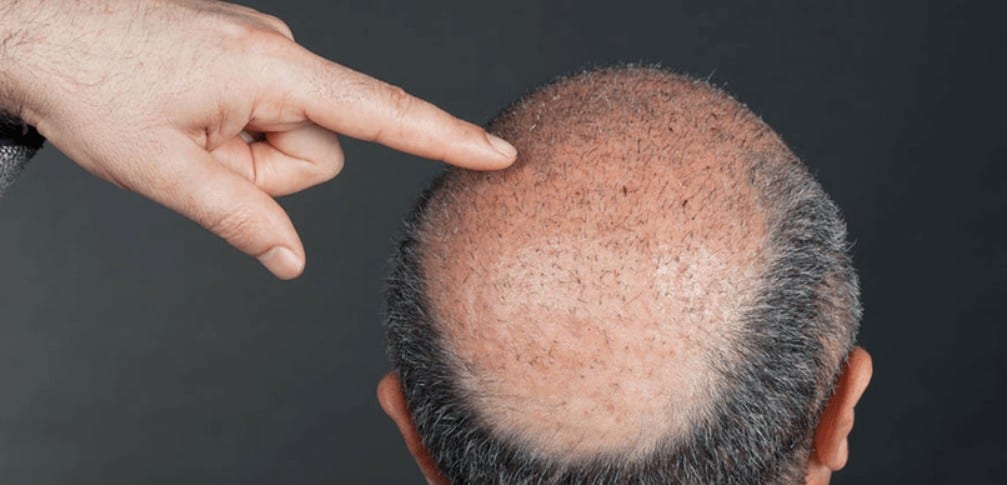
What happens on the day of an FUE hair transplant?
You arrive in the morning and leave with new grafts in the afternoon. Here's how the hours in between go, and how to prepare in the days before.
How long does an FUE procedure take?
Usually 6 to 8 hours, with a break for lunch. You're awake the whole time and under local anaesthetic, so you don't feel pain during the procedure itself. For most of the day you lie still while the team works, and many people spend the time on a series, a podcast or a nap.
The day follows much the same order everywhere: planning, anaesthesia, graft extraction, opening the channels and implantation. Once you know the steps, the long day feels far less daunting.
What happens before anyone starts operating?
First, the hairline is planned. The surgeon draws the new line directly on your skin, and you look at it together in the mirror. Few moments in the whole process matter more, because your hairline shapes your face for decades. A good surgeon places it right for your age and natural, not unnaturally low on the forehead.
Then blood tests and photos are taken, and the donor area is shaved. Often the area receiving the new hair is shaved too. Many people are given something to help them relax, and you can usually eat a light meal beforehand.
Does the anaesthetic hurt?
A little, for a few minutes. The whole procedure is done under local anaesthetic. The injections when the anaesthetic goes in are the most uncomfortable thing you'll notice all day, but they're over quickly. Many clinics ease the sting with vibration against the skin or with needle-free anaesthetic that is pressed into the skin.
Once the skin is numb, at most you'll feel light pressure and hear the sound of the instruments. The rest of the hours are spent lying still.
How are the grafts extracted?
One at a time, with a small rotating tube. This micropunch is usually 0.7 to 0.9 mm in diameter. It loosens the hair follicles from the donor area at the back and sides of the head, where the hair largely resists DHT. Each unit has 1 to 4 hairs, and this unit is what we call a graft.
The grafts go straight into a cold solution meant to keep them alive until they're implanted. How long they spend outside the body affects how many survive, so a well-organised team works steadily to keep that time short.
How are the new hairs implanted?
In two steps with standard FUE. First the surgeon makes small recipient channels in the skin. The angle, direction and spacing between them decide whether the result looks real. This is where an artist's eye matters most: every hair should point the same way as the original hair did, or it will stick out.
Then the grafts are placed one by one in the channels. With DHI both steps happen in one, using a Choi pen that both creates the channel and implants the hair. At the very front of the hairline only single-hair grafts are used, so the transition is soft.
What happens when it's over?
The donor area gets a light bandage, while the area with the new grafts is left uncovered. You go home with medication, a written aftercare plan and instructions on how to sleep. A bit of swelling on the forehead and around the eyes and small scabs in the first few days are completely normal.
Most people can travel home the same day or the day after. Now the real work begins, the healing. You'll find the whole process in the aftercare guide.
How do you prepare in the days before?
- Cut out alcohol and smoking well ahead of the procedure. Both impair blood circulation and healing.
- Talk to your doctor about blood-thinning medicines and supplements that can increase bleeding. Some need to be stopped beforehand, but never without your doctor's approval.
- Get a good night's sleep, and eat a light breakfast.
- Wear a button-up shirt, so you don't have to pull anything over your head afterwards.
- Arrange transport home. After a whole day on sedatives, you shouldn't be behind the wheel.
What should you do now?
Write down the questions you want to ask about your hairline before surgery day, so they don't get lost in the nerves. Agree who will pick you up, and lay out your shirt and neck pillow the evening before. Then read the article on the first 10 days after the procedure, so you know what's waiting when you get home.
It depends on your donor area, your hair type and where the loss is. Send three photos and the medical team at the clinic at the top of our ranking will suggest a method and number of grafts.
Goes to the clinic at the top of our ranking.